Introduction to Advanced Earl Grey Tasting
Earl Grey tea, a refined blend of black tea scented with bergamot oil, offers a complex sensory experience that rewards the discerning palate with layers of citrus, floral, and malty notes. Named after Charles Grey, the 2nd Earl Grey and British Prime Minister in the 1830s, its origins are often attributed to a diplomatic gift from a Chinese mandarin or an English innovation to enhance tea quality with Italian bergamot. For aficionados, advanced tasting techniques elevate this classic beyond casual sipping, revealing nuances influenced by terroir, blending, and preparation. As tea culture evolves, with single-origin and artisanal variants gaining popularity, mastering these methods allows one to discern subtle differences in aroma, taste, and mouthfeel, transforming each cup into a mindful exploration.
Advanced tasting draws from professional cupping practices, where sensory evaluation assesses visual cues, aromas, flavors, and aftertastes to appreciate the tea’s full profile. Unlike basic brewing, it involves structured steps like slurping for aeration and retro-nasal smelling, akin to wine tasting. Terroir—the environmental factors shaping the black tea base—plays a pivotal role, with Assam’s malty robustness contrasting Darjeeling’s floral delicacy when paired with bergamot. This article delves into advanced tasting techniques for Earl Grey enthusiasts, covering preparation, sensory evaluation methods, terroir’s influence, common pitfalls, and expert tips. Drawing from professional practices and recent insights, it equips readers to refine their palate, appreciating the tea’s heritage while exploring its diverse expressions.
In an era where tea connoisseurship mirrors sommelier expertise, these techniques empower aficionados to uncover Earl Grey’s hidden depths, fostering a deeper connection to this iconic blend.
Preparing for an Advanced Tasting Session
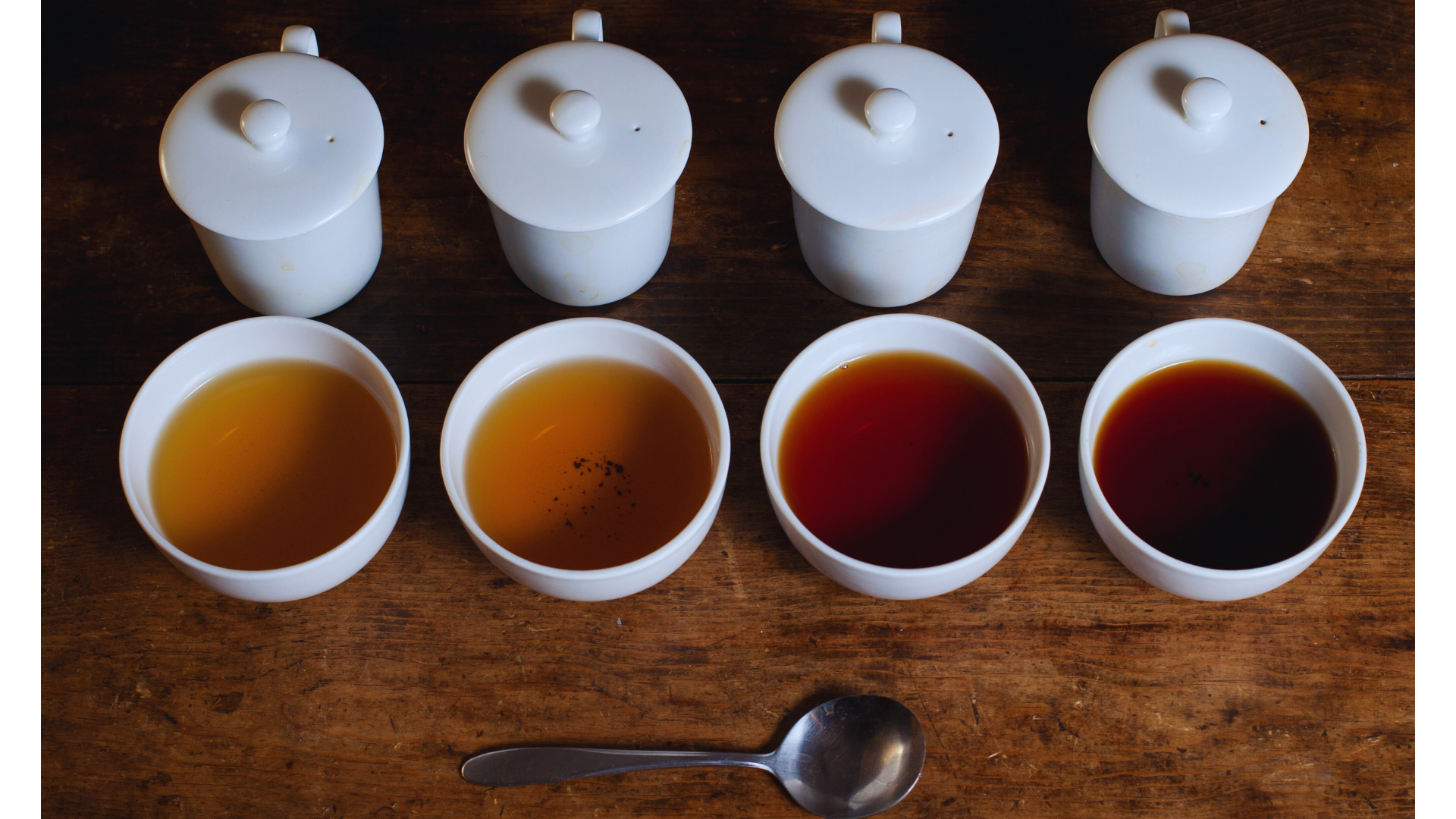
Preparation is foundational to advanced Earl Grey tasting, ensuring environmental and material factors optimize sensory perception. Begin with a quiet, neutral space free from strong odors, as extraneous scents can skew aroma evaluation. Use white or clear cups for visual assessment of liquor color, which ranges from amber in Assam-based blends to golden in Darjeeling variants. Water quality is crucial: employ fresh, filtered water with low mineral content to avoid masking subtle notes; hard water can impart metallic tastes, altering bergamot’s citrus brightness.
Select multiple Earl Grey samples for comparison—ideally single-origin to highlight terroir differences—and prepare them identically: 2-3 grams per 150ml cup, steeped at 95°C for 3-5 minutes to extract balanced flavors without excessive astringency. Taste black first to appreciate the pure profile, then experiment with additions like lemon, which amplifies bergamot’s zest, or milk, which softens maltiness in robust blends. Palate cleansers such as water or plain crackers reset senses between samples, preventing flavor carryover.
Incorporate mindfulness: breathe deeply before tasting to heighten olfactory sensitivity, and note initial impressions systematically. For professionals, tools like tasting wheels categorize notes—citrus, floral, malty—guiding evaluations. This setup transforms tasting into an analytical yet enjoyable ritual, revealing Earl Grey’s multifaceted character.
Sensory Evaluation: Sight, Smell, Taste, and Mouthfeel
Advanced tasting employs a structured sensory evaluation, assessing sight, smell, taste, and mouthfeel to dissect Earl Grey’s complexity. Begin with visual inspection: dry leaves should be uniform, with bergamot oil imparting a glossy sheen; infused liquor color indicates oxidation—deep amber for Assam bases versus lighter copper for Ceylon. Clarity signals quality; cloudiness may denote poor blending or water issues.
Aroma follows: swirl the cup to release volatiles, inhaling deeply for bergamot’s citrus top notes, underpinned by the tea’s malty or floral base. Retro-nasal smelling—exhaling through the nose after sipping—reveals subtler layers, like spice in Yunnan blends. Taste involves slurping to aerate, distributing flavors across the tongue: bergamot’s tartness hits first, followed by the base’s sweetness or astringency. Mouthfeel assesses texture—smooth for high-quality leaves or puckering if over-steeped.
Aftertaste lingers: a clean finish indicates balance, while bitterness suggests flaws. Use a CATA (Check-All-That-Apply) approach to note descriptors like “earthy,” “zesty,” or “velvety.” This method, drawn from sensory science, allows discerning aficionados to rate profiles on scales, comparing variants for terroir influences.
Terroir’s Influence: How Origin Shapes Earl Grey’s Profile
Terroir—the unique combination of soil, climate, and cultivation—profoundly impacts single-origin Earl Grey, where the black tea base’s characteristics dictate how bergamot integrates. Assam’s fertile, humid valleys yield malty, robust leaves with caramel undertones, creating a bold Earl Grey where bergamot adds a contrasting citrus lift—ideal for those seeking depth. Darjeeling’s high-altitude mists produce floral, muscatel teas, resulting in an elegant blend where bergamot enhances grape-like notes for a perfumed, light sip.
Ceylon’s central highlands impart bright, honeyed sweetness from red clay soils, yielding a vibrant Earl Grey with clean citrus dominance. Yunnan’s ancient trees offer smoky earthiness, transforming the blend into a contemplative cup with bergamot evoking ripe fruit. Bergamot’s own terroir—Calabrian coastal influences—adds consistent floral-citrus, but variations in harvest can shift balance.
Advanced tasters note these differences: Assam’s astringency lingers longer, Darjeeling’s florals evaporate quickly. Sensory studies confirm terroir alters volatile compounds, with altitude concentrating flavors by 20-30%. This knowledge allows aficionados to select blends matching preferences, appreciating how origin crafts taste.
Advanced Techniques: Cupping, Slurping, and Comparative Tasting
Cupping, a professional method, involves steeping multiple samples uniformly—2g tea in 150ml 95°C water for 5 minutes—then slurping from spoons to aerate and evaluate. Slurping introduces oxygen, enhancing flavor perception and revealing subtleties like bergamot’s spice or base’s malt. Comparative tasting juxtaposes variants—e.g., Assam vs. Darjeeling Earl Grey—to highlight terroir contrasts, using blind methods to eliminate bias.
Retro-nasal evaluation—exhaling after swallowing—uncovers aftertastes, while temperature variations (hot vs. cooling) reveal evolving notes. Pairings test resilience: milk softens astringency in bold blends, lemon amplifies citrus in lighter ones. Journaling impressions—using flavor wheels—builds expertise, noting body, brightness, and balance. These techniques, rooted in sensory science, empower aficionados to discern quality and origin.
Common Pitfalls in Earl Grey Tasting and How to Avoid Them
Even seasoned tasters err, but awareness mitigates mistakes. Over-steeping (beyond 5 minutes) extracts excess tannins, yielding bitterness that masks bergamot—avoid by timing precisely. Wrong water temperature (too hot) scorches leaves, dulling florals; use 95°C for optimal extraction. Using too little tea dilutes flavors; measure 2-3g per cup.
Ignoring palate fatigue from sequential tastings leads to muted perceptions—cleanse with water or crackers. Bias from expectations (e.g., preferring familiar blends) skews judgments; blind taste to ensure objectivity. Poor water quality imparts off-notes; filter for purity. Rushing the process overlooks aftertastes; savor slowly, breathing out to engage retro-nasal aromas. Avoiding these pitfalls refines tasting, revealing Earl Grey’s true artistry.
Expert Tips for Elevating Your Tasting Experience
Experts recommend multi-steepings to explore evolving flavors—first infusion highlights bergamot, later ones the base’s depth. Use professional tools like tasting sets or aroma kits to train senses. Explore single-origin for terroir education, comparing Assam’s boldness to Ceylon’s brightness.
Host tastings with peers for diverse perspectives, discussing notes collaboratively. Track seasonal variations—flush harvests offer brighter profiles. Pair with foods: chocolate enhances malt, citrus fruits amplify bergamot. Maintain a journal for patterns, refining palate over time. These tips cultivate expertise, turning tasting into an art.
Conclusion: Mastering the Art of Earl Grey Appreciation
Advanced tasting techniques unlock Earl Grey’s intricate world, where sensory evaluation and terroir awareness reveal hidden depths—from Assam’s malt to Darjeeling’s florals, all harmonized by bergamot. By preparing thoughtfully, employing cupping and slurping, and avoiding pitfalls, aficionados elevate their experience. With expert tips and mindful practice, discerning the nuances becomes second nature, celebrating this blend’s heritage in every sip.
