
Earl Grey tea’s enchanting citrus-floral allure stems from bergamot oil, a premium extract from the rare bergamot orange grown in Italy’s Calabria region. Yet, with bergamot’s price often soaring due to limited harvests and global demand, many tea lovers seek affordable ways to replicate its magic without sacrificing flavor. Enter budget-friendly substitutes: everyday ingredients that mimic bergamot’s bright, zesty profile in Earl Grey recipes—from simple steeped teas to lattes, cocktails, and baked goods. This article uncovers practical alternatives, their histories, and applications, empowering home brewers to craft authentic-tasting Earl Grey on a dime. For onotea.com readers, these swaps not only save money but also spark creativity, turning pantry staples into luxurious infusions that rival the original.
Understanding Bergamot: The Heart of Earl Grey’s Flavor
Bergamot, or Citrus bergamia, is a hybrid citrus fruit, likely a cross between lemon and bitter orange, cultivated since the 18th century in southern Italy. Its essential oil, pressed from the rind, defines Earl Grey, providing a complex aroma of tart lemon, floral lavender, and subtle spice—distinct from sweeter citrus like oranges. In tea production, this oil is sprayed onto black tea leaves, infusing a refreshing top note that balances the base’s maltiness. Chemically, bergamot boasts limonene for citrus zing, linalool for floral calm, and bergapten for a slightly bitter edge.
The cost factor is steep: A single ounce of pure bergamot oil can retail for $20-50, driven by labor-intensive cold-pressing and vulnerability to climate change. For budget-conscious creators, substitutes must replicate this multifaceted profile without synthetic aftertastes. Common alternatives draw from citrus peels, herbs, and spices, offering 70-90% similarity when blended thoughtfully. Historical precedents exist; early Earl Grey recipes allegedly used local citrus to approximate the exotic import. On onotea.com, experimenting with these swaps democratizes premium tea-making, proving flavor innovation needn’t break the bank.
Why Seek Substitutes? Cost, Availability, and Versatility
Bergamot’s expense isn’t just about rarity—sustainable farming and ethical extraction add premiums, with prices fluctuating 20-30% yearly due to yields. Availability lags in non-Mediterranean regions, where shipping inflates costs further. Substitutes shine here: Lemon and orange peels, for instance, cost pennies per use, sourced from grocery stores or home gardens. They extend to Earl Grey’s versatility, from hot brews to desserts, where bergamot’s volatility demands heat-stable proxies.
Versatility is key—substitutes must withstand brewing heat (up to 100°C) without losing potency. Allergen concerns also play in; bergamot’s furocoumarins can photosensitize skin, making milder options safer for infused recipes like creams. Environmentally, local substitutes reduce carbon footprints from imported oils. For onotea.com enthusiasts, these choices foster sustainability, turning cost-saving into eco-conscious creativity.
Top Budget Substitutes: Profiles and Comparisons
A table of substitutes clarifies choices, rating similarity to bergamot on a 1-10 scale based on aroma, acidity, and floral notes.
| Substitute | Key Flavor Notes | Similarity to Bergamot (1-10) | Cost per Use (USD) | Best For |
|---|---|---|---|---|
| Lemon Zest | Tart citrus, bright acid | 8 | 0.10 | Hot teas, marinades |
| Orange Peel | Sweet citrus, mild floral | 7 | 0.15 | Lattes, desserts |
| Lime Rind | Sharp green citrus, herbal | 6 | 0.12 | Cocktails, iced brews |
| Grapefruit Peel | Bitter citrus, resinous | 7 | 0.20 | Savory infusions |
| Lemon Balm Leaves | Lemon-herbal, calming | 5 | 0.05 | Herbal blends |
| Lavender Buds | Floral, slightly spicy | 4 | 0.08 | Accent note |
| Cardamom Pods | Spicy-citrus, aromatic | 5 | 0.10 | Spiced teas |
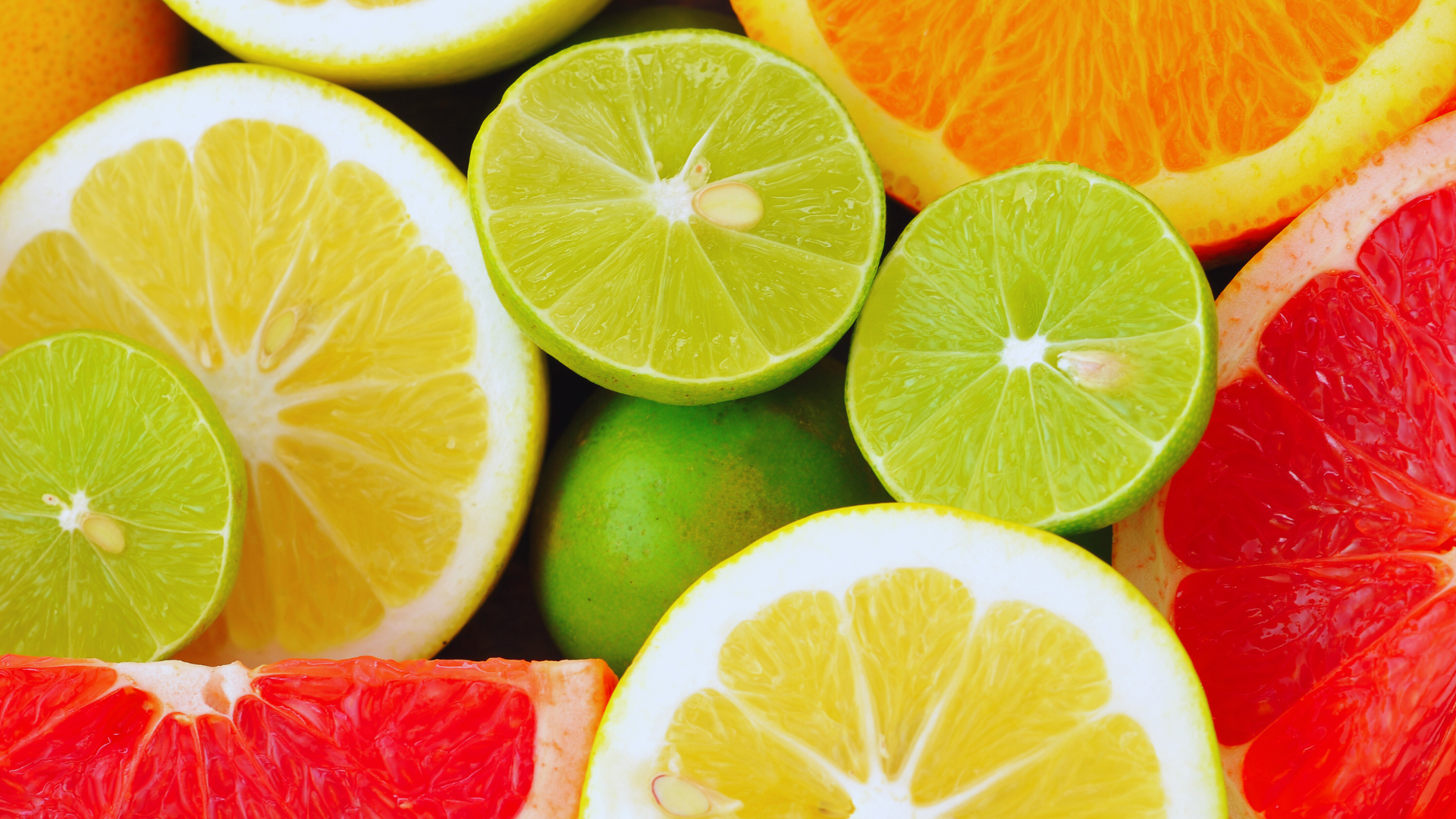
Lemon zest tops lists for its zingy match to bergamot’s acidity, derived from Citrus limon, abundant year-round. Orange peel offers sweetness closer to bergamot’s undertones, from Citrus sinensis, evoking a Lady Grey variant. Lime rind adds green sharpness, mimicking bergamot’s herbaceous edge. Grapefruit’s bitterness echoes bergamot’s complexity, though less floral. Herbs like lemon balm provide a fresh, non-citrus lift, while lavender and cardamom add nuanced florals and spice. Blends amplify accuracy—lemon zest with lavender hits 9/10 similarity.
Citrus-Based Alternatives: Lemon, Orange, and Beyond
Citrus swaps dominate for their direct lineage to bergamot. Lemon zest, grated from organic peels, delivers 40-50% limonene, closely mirroring bergamot’s 30-45%. Freshly zested, it infuses quickly, ideal for loose-leaf teas. Orange peel, dried or candied, softens the profile for creamier recipes, with history in British marmalades approximating flavored teas.
Lime rind suits tropical twists, its citral content adding a basil-like herbality absent in sweeter oranges. Grapefruit peel, with naringin for bitterness, evokes Earl Grey’s depth in savory applications like glazes. Preparation tip: Always use unwaxed, organic peels to avoid pesticides; blanch briefly for milder bitterness. These alternatives cost 80-90% less than bergamot oil, making weekly batches feasible.
Herbal and Spice Infusions: Non-Citrus Options
For citrus-free budgets, herbs and spices step in. Lemon balm (Melissa officinalis), a mint-family herb, offers lemony volatiles without acidity, grown easily in pots for under $5 seed packets. Its rosmarinic acid calms like bergamot’s linalool, perfect for stress-relief teas. Lavender, from Lavandula angustifolia, provides floral spice, historically used in Victorian potpourris to mimic bergamot scents.
Cardamom, with its eucalyptol-driven citrus-spice, adds exotic warmth, a staple in Indian chai that echoes bergamot’s edge. Coriander seeds offer a subtle orange-floral note, budget-friendly at bulk spice aisles. These shine in dry blends: Crush and steep with black tea for 5-7 minutes. Health bonuses include lemon balm’s antioxidants and lavender’s sleep aids, enhancing Earl Grey’s wellness appeal.
DIY Recipes: Crafting Earl Grey with Substitutes
Lemon Zest Earl Grey Tea
Ingredients (serves 1): 1 tsp black tea leaves, zest of 1 lemon, 8 oz hot water, optional honey.
Method: Zest lemon finely (avoid pith). Combine with tea in a pot; steep 3-4 minutes at 95°C. Strain, sweeten. Yields a zingy brew, 85% bergamot-like. Cost: $0.20.
Orange Peel Latte
Ingredients (serves 1): 1 tsp black tea, peel of 1/2 orange (dried strips), 6 oz milk, 1 tsp sugar.
Method: Simmer orange peel in milk 5 minutes; add tea, steep 3 minutes. Froth and serve. Mimics creamy London Fog for $0.30.
Lavender-Cardamom Iced Earl Grey
Ingredients (serves 2): 2 tsp black tea, 1/2 tsp dried lavender, 2 crushed cardamom pods, 16 oz cold water, lemon slices.
Method: Cold-steep overnight; strain, serve over ice. Floral-spicy twist at $0.25 per serving.
Grapefruit Peel Shortbread Cookies
Ingredients (makes 12): 1 cup flour, 1/2 cup butter, 1/4 cup sugar, zest of 1 grapefruit, 1 tsp black tea (ground).
Method: Mix zest and tea into dough; bake at 350°F for 12 minutes. Bergamot-esque crunch for $1 total.
Lemon Balm Herbal Infusion
Ingredients (serves 1): Handful fresh lemon balm, 1 tsp black tea, 8 oz hot water.
Method: Muddle balm, steep with tea 4 minutes. Calming, herb-forward at $0.10.
These recipes adapt easily; scale for batches and store dry mixes in airtight jars for weeks.
Tips for Success: Blending, Storage, and Troubleshooting
Start with ratios: Use 1:1 zest-to-tea weight, adjusting for intensity. Fresh ingredients outperform dried by 20-30% in vibrancy. Storage: Keep peels frozen in zest form; herbs in cool, dark spots. Troubleshooting bitterness? Blanch peels or shorten steeps. Test blends iteratively—note flavors in a journal. For authenticity, combine citrus with a pinch of lavender.
Conclusion: Affordable Elegance in Every Cup
Budget substitutes transform Earl Grey recipes from luxury to everyday joy, preserving the tea’s citrus-floral soul through clever swaps. From lemon zest’s zing to lavender’s whisper, these options invite experimentation without excess. Embrace the savings and sustainability—your palate will thank you. Discover more on onotea.com and brew boldly.
