
In the serene ritual of tea time, few blends evoke the elegance and intrigue of Earl Grey, a citrus-infused classic that beckons collectors to amass varieties from around the globe. Curating an Earl Grey collection transforms a simple pantry staple into a personal gallery of flavors, where each tin or sachet tells a story of bergamot’s bright zest meeting robust black tea. Whether you’re drawn to traditional Assam-based brews or innovative twists like lavender-infused Lady Grey, building and maintaining such a trove requires thoughtful strategies for storage to preserve freshness and creative displays to showcase your passion. As tea enthusiasts know, improper handling can dull the bergamot’s aromatic punch, while a well-arranged setup elevates daily steeping into an aesthetic delight.
Beyond mere accumulation, curation involves selecting diverse profiles—decaf for evenings, cream-enriched for indulgence—while ensuring longevity through optimal conditions. With Earl Grey’s global popularity, options abound, from artisanal loose leaves to convenient bags, each demanding tailored care to avoid oxidation or flavor loss. This article guides you through sourcing gems, storage essentials backed by expert advice, and inventive display ideas that blend functionality with flair. Drawing on insights from tea sommeliers and storage specialists, we’ll explore how to nurture your collection for years of sensory pleasure. Whether your space is a cozy kitchen nook or a dedicated tea room, these tips will help your Earl Grey assemblage flourish, inviting admiration and inspiring mindful moments over steaming cups.
What is Earl Grey Tea?
Earl Grey tea is a timeless flavored black tea, traditionally crafted by blending high-quality black tea leaves—often from regions like Ceylon, Assam, or China—with the essential oil extracted from bergamot citrus rinds. This hybrid fruit, Citrus bergamia, hails primarily from Calabria, Italy, imparting a distinctive floral-citrus aroma that balances the tea’s earthy depth with uplifting notes of orange and lavender-like subtlety. Named after Charles Grey, the 19th-century British Prime Minister, its origins blend legend with history: tales of a diplomatic gift from China or a serendipitous shipping mishap where bergamot flavored tea crates during a storm.
In composition, a standard cup contains 40-60 mg of caffeine, antioxidants like theaflavins, and bergamot flavonoids such as limonene, which contribute to its mood-boosting reputation. Loose-leaf forms allow for fuller flavor extraction, while tea bags offer convenience, though purists favor the former for superior quality. Preparation involves steeping at 195-205°F for 3-5 minutes to avoid bitterness from tannins, with milk or lemon enhancing its versatility—London Fog lattes for creamy comfort or iced versions for refreshment.
For collectors, Earl Grey’s allure lies in its adaptability: decaffeinated options extend enjoyment, while organic or fair-trade certifications add ethical appeal. Its low-calorie nature (under 5 kcal unsweetened) suits health-conscious curators, and with proper curation, it becomes a gateway to exploring tea’s vast world. As a foundational piece in any collection, understanding its essence sets the stage for thoughtful acquisition and preservation.
Building Your Collection: Varieties and Sourcing
Curating an Earl Grey collection begins with diversity, embracing the blend’s myriad interpretations to create a palette of tastes and aromas. Traditional Earl Grey uses black tea scented with natural bergamot oil, but variations abound. Lady Grey introduces lighter citrus notes with lemon and orange peel, ideal for those seeking subtlety. Russian Earl Grey incorporates lemongrass and citrus for a brighter profile, while French Earl Grey adds lavender or rose petals for floral elegance. Cream Earl Grey, enriched with vanilla, offers a dessert-like indulgence, and Smoky Earl Grey evokes lapsang souchong’s pine-smoked essence.
Green tea-based Earl Greys provide a lighter, grassy alternative, with brands like Bigelow offering Earl Grey Green for antioxidant-rich sips. Rooibos Earl Grey caters to caffeine-free preferences, blending South African red bush with bergamot for earthy sweetness. Specialty blends like Lavender Earl Grey from Tucson Tea Company infuse calming botanicals, while decaf versions ensure inclusivity. For rarity, seek Staunton Earl Grey with its historical ties or Earl Grey Supreme with premium tips.
Sourcing wisely involves reputable vendors: Republic of Tea for organic selections, Twinings for classics, or artisanal shops like The Whistling Kettle for unique twists. Online platforms like Amazon or Upton Tea Imports offer bulk loose leaves, while local tea houses provide tasting opportunities. Start small—sample packs from T2 or Rosie & Java—then expand based on preferences. Consider sustainability: fair-trade labels ensure ethical bergamot farming. Track acquisitions in a journal, noting origins, brew notes, and pairings, fostering a curated narrative that evolves with each addition.
Proper Storage Techniques for Longevity
Preserving your Earl Grey’s vibrant bergamot essence demands vigilant storage, as exposure to air, light, heat, moisture, and odors can degrade flavors rapidly. Tea experts emphasize airtight containers in cool, dark places to maintain freshness, with loose leaves particularly vulnerable to oxidation. Avoid refrigerators, as humidity fluctuations cause condensation and mold; instead, opt for room temperature (50-70°F) away from spices or strong-smelling foods, which tea absorbs easily.
Ideal containers include opaque tins or stainless steel canisters with tight seals, like those from Rishi Tea or Kotodo, which block light and air while being odor-neutral. Aluminum or bamboo options work well, but avoid plastic, which can impart flavors. For bags, resealable pouches suffice, but transfer loose tea from original packaging to dedicated tins for longevity. Vacuum-sealed jars minimize oxygen, extending shelf life up to two years for black tea bases.
Shelf life varies: properly stored Earl Grey lasts 1-2 years, though bergamot’s oils fade first, so consume within 6-12 months for peak aroma. Scented varieties like Lavender Earl Grey have a 2-year window, but check for staleness via dull scent or color loss. Rotate stock—first in, first out—and label with purchase dates. For large collections, divide into smaller containers to limit air exposure during use. These techniques ensure your curated gems retain their sophisticated allure, ready for impeccable brews.
Creative Display Ideas for Your Collection
Displaying your Earl Grey collection turns storage into statement art, blending accessibility with visual appeal. Floating shelves in kitchens or tea nooks showcase tins by color or label design, with LED underlighting highlighting bergamot motifs without heat damage. Repurposed spice racks or hanging organizers keep bags visible and organized, ideal for compact spaces. For antique vibes, use vintage teacup displays or nested wreaths in bowls, arranging varieties like a floral mandala.
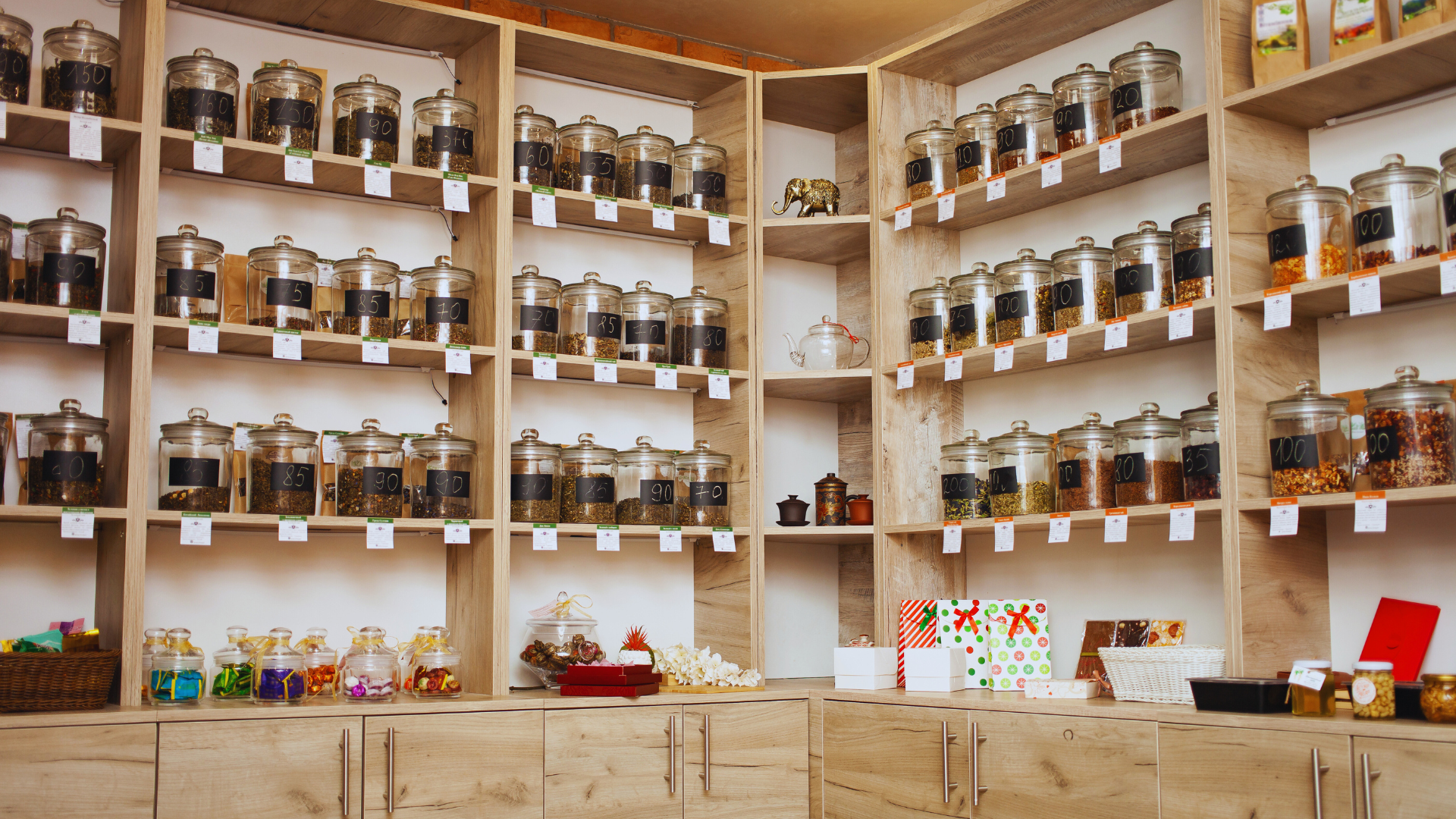
Glass jars on open shelving offer transparency for loose leaves, but ensure they’re dark-tinted to block UV rays. Custom cabinets with glass doors protect from dust while allowing admiration, grouped by variety—classics on top, rarities below. Thematic setups, like a chandelier-suspended teapot with dangling cups, add whimsy for eclectic collectors. Etsy finds like wooden tea set stands elevate boxes, while acrylic organizers with lids maintain freshness in humid areas.
Incorporate labels or chalkboard tags for notes on origins and pairings, turning displays into educational hubs. For maximalists, wall-mounted shadow boxes frame rare tins, or use macrame hangers for plant-infused teacup planters holding samples. Balance aesthetics with practicality—keep displays away from direct sun or heat sources to preserve integrity. These ideas not only organize but inspire, making your collection a focal point for gatherings and personal reflection.
Maintenance and Rotation Strategies
Maintaining a thriving Earl Grey collection involves regular upkeep and strategic rotation to ensure freshness and variety. Declutter annually: discard expired teas (beyond 2 years) or those with off odors, repurposing stale leaves for sachets or compost. Categorize by type—black, green, herbal—for easy access, using dividers in drawers or shelves. Rotate usage: brew older stock first, tracking via apps or spreadsheets with brew logs.
Clean containers quarterly with mild soap, drying thoroughly to prevent mold. For humidity-prone areas, include silica packets in tins. Experiment seasonally: bolder classics in winter, lighter Lady Greys in summer. Host tastings to share and refine preferences, noting favorites for restocking. These habits sustain vibrancy, turning curation into a dynamic pursuit.
Potential Drawbacks and Solutions
Challenges in curating include space constraints—solve with vertical storage like wall racks. Overaccumulation risks waste; buy in small quantities initially. Bergamot sensitivity may cause reactions; opt for milder blends. Cost adds up—budget by prioritizing quality over quantity.
Conclusion
Curating an Earl Grey collection marries passion with precision, from sourcing diverse varieties to mastering storage and displays that delight. With these tips, your teas remain fresh, your space inspired, and your rituals enriched. Sip into sophistication—your perfect cup awaits.
