Mint has long been a staple in the world of herbal teas, offering a refreshing burst of flavor that can soothe the senses and invigorate the body. Originating from the Mentha genus, which includes over 30 species and countless hybrids, mint plants are perennial herbs known for their aromatic leaves and adaptability in various climates. These plants thrive in moist, shaded areas and are easy to grow, making them a favorite among home gardeners and tea enthusiasts alike. The appeal of mint tea lies not only in its delightful taste but also in its potential health benefits, such as aiding digestion, relieving headaches, and providing a natural caffeine-free energy boost.
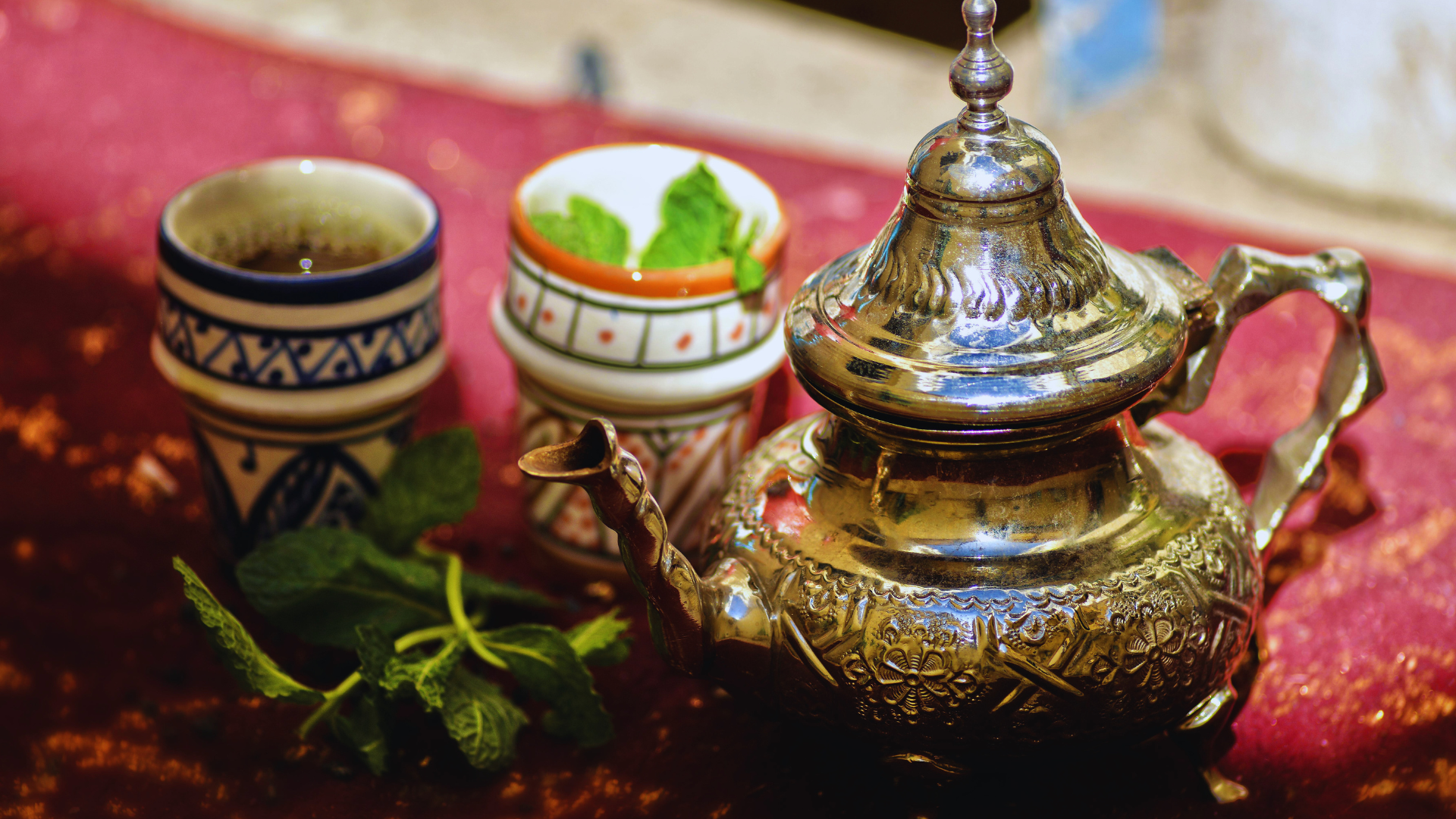
Historically, mint has been used for centuries across cultures. Ancient Egyptians valued it for its medicinal properties, while the Romans incorporated it into their cuisine and baths. In modern times, mint tea is a global phenomenon, from Moroccan mint tea ceremonies to simple homemade infusions. What makes mint so versatile for tea is its essential oils, primarily menthol, which imparts that signature cooling sensation. However, not all mints are created equal. Different varieties offer unique flavor profiles, ranging from intensely sharp to subtly sweet, and their strength can vary from mild to overpowering.
In this article, we’ll explore some of the most popular types of mint used for tea: peppermint, spearmint, apple mint, and beyond. We’ll delve into their flavor profiles, strength levels, and unique varieties worth trying. Whether you’re a seasoned tea drinker or a newcomer, understanding these differences can elevate your brewing experience. For instance, peppermint’s bold kick is ideal for winter evenings, while spearmint’s gentle sweetness suits lighter, summer blends. We’ll also touch on how to select, grow, and brew these mints to maximize their potential.
As we navigate through these varieties, keep in mind that mint’s flavor can be influenced by factors like soil quality, sunlight, and harvesting time. Fresh leaves generally provide the most vibrant taste, but dried versions are convenient for year-round use. Experimenting with blends—such as combining mint with green tea or chamomile—can create personalized infusions. By the end, you’ll be equipped to choose the perfect mint for your next cup.
Peppermint: The Bold Classic
Peppermint (Mentha × piperita) stands out as one of the most recognized and widely used mint varieties for tea. This hybrid, a cross between spearmint and watermint, was first documented in England in the 17th century and has since become synonymous with minty freshness. Its leaves are dark green, serrated, and emit a potent aroma even before brewing. Peppermint’s flavor profile is characterized by a strong, cooling menthol sensation that hits the palate with a sharp, invigorating punch. This makes it less sweet than other mints and more focused on that icy, refreshing aftertaste, often described as “cooling” or “tingly.”
In terms of strength, peppermint is the heavyweight champion among mints. It contains a high concentration of menthol—up to 60% in its essential oil—which gives it an intense, lingering flavor that can overpower other ingredients in a blend. This robustness makes it perfect for standalone teas or as a dominant note in herbal mixtures. For tea lovers seeking a strong brew, steeping fresh peppermint leaves for 5-7 minutes in hot water yields a potent infusion that’s excellent for digestion or clearing sinuses. However, its strength can be a double-edged sword; over-steeping may result in a bitter edge, so moderation is key.
Unique varieties of peppermint add intriguing twists to this classic. For example, ‘Black Mitcham’ peppermint is a heritage strain known for its deep, almost chocolatey undertones beneath the menthol blast, making it a favorite for gourmet teas. Another is ‘Variegated Peppermint,’ which features cream-edged leaves and a slightly milder profile, ideal for those who want peppermint’s punch without overwhelming intensity. In colder climates, ‘Todd’s Mitcham’ offers resilience and a cleaner, more pronounced menthol flavor.
Brewing tips for peppermint tea emphasize simplicity. Use about 1 teaspoon of dried leaves per cup, or a small handful of fresh ones, and steep in boiling water. Adding honey can soften its sharpness, while blending with lemon balm creates a calming evening drink. Health-wise, peppermint tea is renowned for alleviating IBS symptoms, reducing nausea, and promoting relaxation. Studies suggest its antimicrobial properties may even support oral health. For adventurous palates, try infusing peppermint in cold water overnight for a refreshing iced tea, or mix it with black tea for a Moroccan-inspired blend.
Growing peppermint at home is straightforward, but its invasive nature requires containment in pots. It prefers partial shade and moist soil, harvesting best in the morning when oils are concentrated. Whether in a garden or windowsill, peppermint’s versatility ensures it’s a must-try for any tea aficionado.
Spearmint: The Gentle Sweetheart
Spearmint (Mentha spicata), often simply called “mint” in many contexts, is the milder counterpart to peppermint. Native to Europe and Asia, it has been cultivated for thousands of years, appearing in ancient texts for its culinary and medicinal uses. The leaves are bright green, pointed (hence “spear”), and smoother than peppermint’s. Its flavor profile leans toward sweetness with subtle herbal notes, lacking the intense cooling of menthol-heavy varieties. Instead, spearmint offers a fresh, clean taste that’s reminiscent of chewing gum or mojitos—light, uplifting, and not overpowering.
Strength-wise, spearmint is on the milder end of the spectrum. With menthol content often below 1% or even absent in some strains, it provides a gentle infusion that’s suitable for all-day sipping without fatigue. This makes it an excellent choice for beginners or those sensitive to strong flavors. In tea, spearmint brews quickly, releasing its essence in just 3-5 minutes, resulting in a pale green liquor with a soothing aroma.
Unique varieties of spearmint abound, each bringing a nuanced twist. ‘Kentucky Colonel’ spearmint is prized for its robust growth and classic sweet-mint flavor, perfect for Southern-style sweet teas. ‘Moroccan Spearmint,’ also known as Nana mint, features crinkled leaves and a brighter, more citrusy profile, essential for authentic Moroccan green tea blends. Another standout is ‘Curly Spearmint,’ with wavy foliage that adds visual appeal and a slightly earthier taste.
For brewing, spearmint shines in both hot and cold preparations. A basic recipe involves steeping fresh leaves in hot water with a touch of sugar for a traditional Middle Eastern tea. Its benefits include anti-inflammatory effects, hormone balancing (particularly for women), and improved memory function. Pair it with fruits like strawberries for a summery infusion or with ginger for a digestive aid.
Cultivation is easy; spearmint spreads vigorously, so plant in contained areas. It tolerates full sun better than peppermint and dries well for storage. Overall, spearmint’s approachable nature makes it a gateway mint for tea exploration.
Apple Mint: Fruity and Fluffy
Apple mint (Mentha suaveolens), sometimes called woolly mint due to its fuzzy leaves, brings a playful, fruity dimension to the mint family. Originating from southern Europe, it’s been a garden favorite for its ornamental value and subtle flavors. The leaves are rounded, soft to the touch, and often variegated with white edges in some varieties. Its flavor profile combines classic mint freshness with apple-like sweetness and a hint of pineapple or citrus, creating a light, dessert-like experience without heaviness.
In strength, apple mint is moderate to mild, offering a balanced infusion that’s not as piercing as peppermint but more assertive than basic spearmint. The menthol is present but subdued, allowing the fruity notes to shine. This makes it ideal for teas where you want complexity without dominance—steep for 4-6 minutes to extract its full bouquet.
Unique varieties include ‘Variegated Apple Mint,’ with cream-striped leaves that add aesthetic charm to gardens and a slightly tangier taste. ‘Pineapple Apple Mint’ amplifies the tropical fruit undertones, making it a fun choice for exotic blends. ‘Egyptian Apple Mint’ offers a warmer, spicier edge, reminiscent of ancient herbal remedies.
Brew apple mint with chamomile for a bedtime tea or infuse in sparkling water for a non-alcoholic spritzer. Benefits may include antioxidant support and mild digestive relief. Grow it in partial shade; its height (up to 3 feet) makes it great for borders, but control its spread.
Chocolate Mint: Indulgent Delight
Chocolate mint (Mentha × piperita ‘Chocolate’) is a hybrid that marries peppermint’s vigor with subtle cocoa notes, evoking memories of after-dinner mints. Developed as a cross between peppermint and orange mint, its bronze-tinged leaves release a rich, dessert-like aroma. The flavor profile is minty with chocolate undertones—sweet, smooth, and subtly bitter, like dark chocolate infused with herbs.
Strength is medium, with enough menthol to refresh but not overwhelm, making it versatile for teas. Steep briefly to preserve the chocolate essence.
Varieties like ‘Swiss Chocolate Mint’ enhance the cocoa intensity, while ‘After Eight’ mimics the famous candy. Use in hot chocolate-tea hybrids or iced desserts. It’s antioxidant-rich and mood-boosting.
Pineapple Mint: Tropical Twist
Pineapple mint (Mentha suaveolens ‘Variegata’) dazzles with variegated leaves and a sweet, pineapple-mint fusion. Mild in strength, its flavor is fruity and light, perfect for subtle teas.
Unique strains include ‘Golden Pineapple Mint’ for brighter hues. Brew with green tea for a Hawaiian vibe.
More Unique Mint Varieties to Explore
Beyond the staples, try orange mint for citrus zing, ginger mint for spicy warmth, or lemon mint for tangy freshness. Strawberry mint adds berry notes, while banana mint offers creamy sweetness. Each expands tea possibilities.
Conclusion: Experiment and Enjoy
With so many mint types, the world of tea is endlessly exciting. Start with classics like peppermint and branch out to uniques like chocolate mint. Freshness is key—grow your own for the best results.
