Earl Grey tea, renowned for its sophisticated blend of black tea and bergamot oil, offers a unique opportunity to create natural beauty products like homemade soap, blending aromatic elegance with skin-nourishing benefits. Originating in the 1830s and named after Charles Grey, the 2nd Earl Grey and British Prime Minister, the tea’s creation is often linked to legends such as a Chinese mandarin’s gift or an adaptation to mask lime-rich water. Its citrus-floral profile, derived from the bergamot fruit (Citrus bergamia) primarily grown in Calabria, Italy, makes it an ideal ingredient for DIY soaps that provide gentle cleansing and therapeutic effects. As consumers increasingly seek chemical-free skincare, with the natural beauty market expected to reach $22 billion by 2024, Earl Grey soap making empowers individuals to craft sustainable, personalized products at home.
Incorporating Earl Grey into soap harnesses the antioxidant-rich black tea and the antimicrobial bergamot oil, resulting in bars that soothe, exfoliate, and refresh the skin without harsh synthetics. The DIY process allows control over ingredients, promoting eco-friendly practices and reducing reliance on mass-produced items laden with preservatives. This article explores the essentials of Earl Grey soap making, including benefits, methods, recipes, safety, customization, troubleshooting, sustainability, and tips. From simple melt-and-pour techniques to advanced cold process creations, these approaches suit beginners and experts alike, transforming a beloved tea into luxurious, natural beauty essentials. In a time when self-care and sustainability converge, Earl Grey soap making invites creativity, offering fragrant, beneficial products that enhance daily routines while honoring traditional flavors.
As interest in handmade cosmetics grows, Earl Grey’s versatility shines, providing an accessible entry into natural beauty crafting that aligns with wellness trends.
The Benefits of Earl Grey in Soap Making
Earl Grey’s ingredients—black tea and bergamot oil—deliver multiple skin benefits when incorporated into soap. Black tea contains polyphenols like catechins and theaflavins, which act as antioxidants to neutralize free radicals, potentially slowing skin aging and reducing inflammation. These compounds can help soothe conditions such as acne or eczema, while the tea’s caffeine may improve circulation for a radiant complexion. Ground tea leaves add gentle exfoliation, removing dead skin cells without abrasion.
Bergamot oil contributes antibacterial and antiseptic properties, making it effective against bacteria and fungi that cause skin issues. Its limonene and linalyl acetate provide a balancing effect on sebum production, benefiting oily, dry, or combination skin types. Bergamot also promotes wound healing and collagen production, enhancing skin elasticity. The oil’s uplifting scent supports aromatherapy, reducing stress that can manifest as skin dullness.
Combined in soap, these elements create a moisturizing, non-drying cleanse, free from sulfates and parabens common in commercial products. Users report softer, clearer skin, with the natural formulation suiting sensitive types. This makes Earl Grey soap a holistic option, merging skincare efficacy with sensory pleasure.
Understanding Soap Making Methods: Melt-and-Pour vs. Cold Process
Soap making with Earl Grey can utilize two main methods: melt-and-pour for simplicity and cold process for customization.
The melt-and-pour method involves melting a pre-made glycerin or shea butter base, adding infusions, and pouring into molds—perfect for beginners as it avoids lye handling. Earl Grey can be steeped into the base or added as essential oil for fragrance. It’s quick, curing in hours, and allows easy experimentation with tea leaves for texture.
Cold process soap making starts from scratch, mixing oils with lye solution to trigger saponification, offering control over fats and additives. Brewed Earl Grey replaces water in the lye mix, infusing color and benefits, while bergamot oil is added at trace. This method requires 4-6 weeks curing but yields durable, creamy bars.
Choose melt-and-pour for ease or cold process for artisanal results, both enhancing Earl Grey’s natural properties.
Safety Considerations for Soap Making
Safety is critical in soap making, particularly with lye and essential oils. For cold process, wear protective gear—gloves, goggles, long sleeves—to prevent burns from lye’s exothermic reaction. Work in ventilated areas, adding lye to liquid slowly to avoid fumes. Store lye securely away from children and pets.
Bergamot oil’s bergapten causes phototoxicity, increasing UV sensitivity and risk of burns. Use bergapten-free (FCF) versions or limit to 0.4% dilution in soap. Patch test finished soaps for allergies. Avoid overheating in melt-and-pour to preserve scents.
Precise measurements prevent issues like harshness; clean tools to avoid contamination.
Basic Earl Grey Soap Recipe (Melt-and-Pour)
This easy recipe yields 4-6 bars, perfect for beginners.
Ingredients: 1 lb glycerin soap base, 2 tbsp loose Earl Grey tea, 1/2 cup hot water, 10-15 drops FCF bergamot oil, 1 tsp coconut oil (optional).
Equipment: Double boiler, molds, spoon.
Steps: Steep tea in water, strain, cool. Melt base, add 1/4 cup tea, bergamot, coconut oil. Pour into molds, spray alcohol for bubbles. Cool 2-4 hours, unmold.
Benefits: Antioxidant cleanse with bergamot’s antibacterial action.
Advanced Earl Grey Soap Recipe (Cold Process)
For advanced users, this recipe makes 2-3 lbs of soap.
Ingredients: 10 oz coconut oil, 10 oz olive oil, 5 oz shea butter, 3.5 oz lye, 8 oz brewed Earl Grey tea, 0.5 oz FCF bergamot oil, 1 tbsp ground tea leaves.
Equipment: Scale, blender, molds, thermometer.
Steps: Brew and cool tea. Mix lye into tea, cool to 100°F. Melt oils to 100°F. Blend to trace, add bergamot and ground tea. Pour, insulate 24-48 hours, unmold, cure 4-6 weeks.
Benefits: Exfoliating, moisturizing bar with tea’s antioxidants.
Customization Options for Unique Soaps
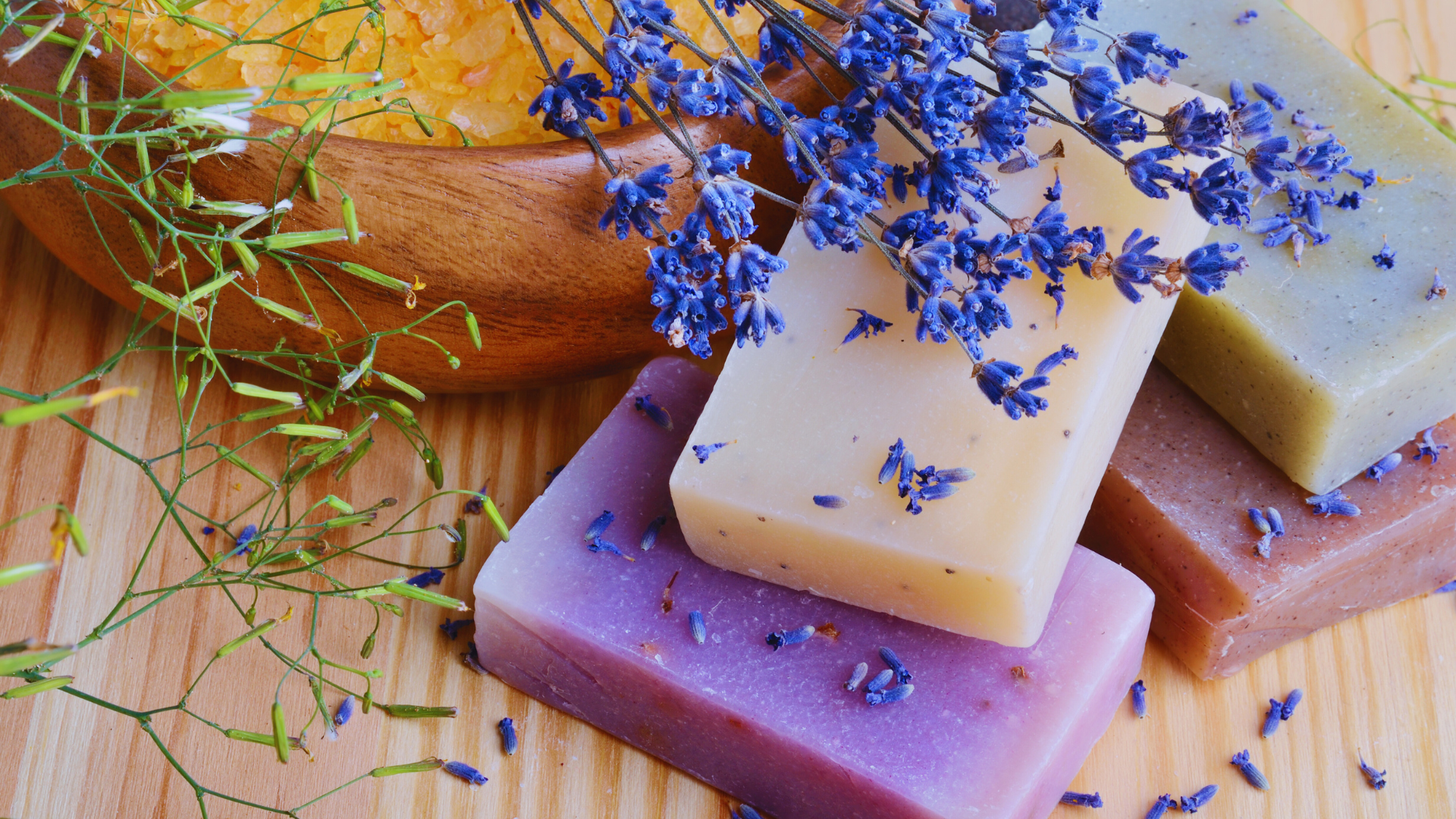
Personalize with additions: Lavender for calming scent, chamomile for soothing. Natural colorants like clays for visuals. Oils like almond for hydration. Layer swirls or use decorative molds for aesthetics.
These options create tailored soaps for gifts or specific needs.
Troubleshooting Common Soap Making Issues
Common problems include seizing (thicken too fast)—lower temps, blend slowly. Soda ash (white film)—improve ventilation. Weak scent—increase oil or use fresh ingredients. Separation—ensure emulsion. Crumbly soap—check measurements.
Test small batches to troubleshoot.
Sustainability and Ethical Sourcing
Use organic Earl Grey to avoid pesticides, support fair-trade for workers. Opt for eco-packaging, repurpose waste. Plant-based ingredients reduce environmental impact.
This aligns with sustainable practices.
Practical Tips for Success
Source quality organic tea and oils. Store dry to prolong life. Patch test. Record recipes.
Conclusion: Crafting Beauty with Earl Grey
DIY Earl Grey soap making fuses tea’s heritage with natural skincare, offering antioxidant, antibacterial benefits in customizable forms. From melt-and-pour ease to cold process artistry, it promotes sustainability and creativity. Embrace this craft for eco-friendly, luxurious products that elevate daily beauty routines.
