Earl Grey tea, with its iconic blend of black tea and bergamot oil, has captivated tea lovers for centuries with its bold, citrusy allure. While commercial blends offer convenience, creating your own Earl Grey at home unlocks a world of creativity, allowing you to tailor flavors to your palate. DIY home blending empowers you to experiment with tea bases, bergamot intensity, and additional ingredients, crafting a personalized cup that reflects your taste. From tweaking the citrusy zing to adding floral or spicy notes, the possibilities are endless, making this a rewarding endeavor for tea enthusiasts.
The art of blending Earl Grey at home combines science, creativity, and a touch of tradition. By understanding the components—black tea’s robust foundation and bergamot’s vibrant aroma—you can craft unique recipes that rival professional blends. This article explores the process of DIY Earl Grey blending, offering step-by-step guidance, recipes, and tips for sourcing ingredients, balancing flavors, and storing your creations. Whether you’re a novice or a seasoned tea aficionado, these insights will inspire you to brew a cup that’s uniquely yours, elevating your tea ritual to a personalized masterpiece.
Understanding Earl Grey’s Core Components
Earl Grey’s signature flavor comes from two primary ingredients: black tea and bergamot oil. The black tea base, typically sourced from regions like Assam, Ceylon, or Darjeeling, provides a malty, slightly astringent backbone rich in tannins and caffeine (40–60 mg per cup). Bergamot oil, extracted from the rind of the bergamot orange (Citrus bergamia) grown mainly in Calabria, Italy, imparts a floral-citrus note with hints of lemon, orange, and spice. This balance is key to Earl Grey’s appeal, and DIY blending allows you to adjust the ratio to suit your preference.
Optional additions, like lavender, vanilla, or spices, can enhance the blend, but the core challenge is achieving harmony. Too much bergamot can overpower, while too little leaves the tea flat. Understanding these components—tea’s depth and bergamot’s brightness—sets the foundation for successful home blending.
Why Blend Your Own Earl Grey?
Blending your own Earl Grey offers several benefits:
- Personalization: Customize strength, citrus intensity, or additional flavors to match your taste.
- Quality Control: Select high-quality, organic ingredients to ensure purity and flavor.
- Creativity: Experiment with unique additions, like herbs or fruits, for one-of-a-kind blends.
- Cost-Effectiveness: Buying bulk ingredients can be cheaper than premium commercial blends.
- Connection to Tradition: Engage with the historical art of tea blending, echoing 19th-century practices.
Home blending transforms tea-making into a creative ritual, deepening your appreciation for Earl Grey’s complexity.
Essential Tools for DIY Tea Blending
To blend Earl Grey at home, gather these tools:
- Digital Scale: For precise measurements of tea and additives (grams recommended).
- Mixing Bowl: Stainless steel or glass to avoid flavor contamination.
- Fine-Mesh Strainer: To remove dust or small particles from tea leaves.
- Airtight Containers: For storing blends to preserve freshness.
- Dropper or Spray Bottle: For applying bergamot oil evenly.
- Mortar and Pestle or Grinder: To crush additives like spices or dried flowers.
- Spoon or Scoop: For mixing and portioning.
Optional tools include a notebook for recording recipes and a thermometer for brewing tests. These ensure consistency and precision in your blending process.
Sourcing Quality Ingredients
High-quality ingredients are crucial for a stellar Earl Grey blend:
- Black Tea: Choose loose-leaf black teas like:
- Assam: Bold, malty, ideal for a robust base.
- Ceylon: Bright, crisp, for a lighter profile.
- Darjeeling: Floral, delicate, for a refined blend. Purchase from reputable suppliers like Adagio Teas or local tea shops, prioritizing organic options.
- Bergamot Oil: Opt for food-grade, pure bergamot essential oil from Calabrian sources. Avoid synthetic flavorings, which lack depth. Check labels for “100% pure essential oil” and buy from trusted vendors like Mountain Rose Herbs.
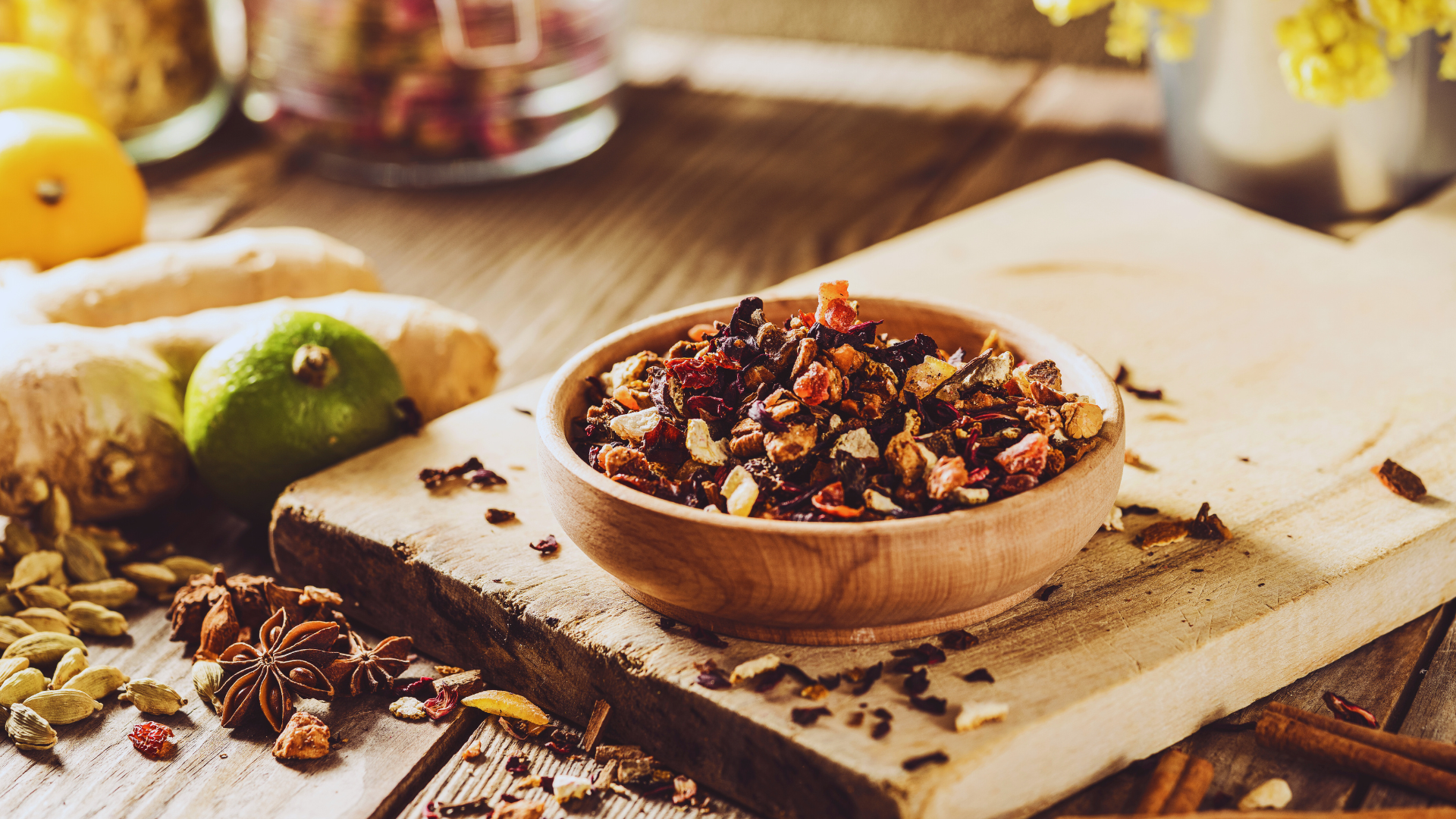
- Additives: Consider dried lavender, vanilla bean, rose petals, or spices like cardamom. Source organic, food-grade versions from spice shops or online retailers.
- Other Ingredients: Dried citrus peels or natural flavor extracts (e.g., almond) can enhance blends. Ensure they’re free of additives.
Store ingredients in airtight containers in a cool, dark place to maintain freshness. Quality ingredients elevate your blend’s flavor and authenticity.
Basic Techniques for Blending Earl Grey
Blending Earl Grey involves combining tea with bergamot oil and optional additives. Here are key techniques:
- Dry Blending: Mix tea leaves with dried additives (e.g., lavender or citrus peel) in a bowl. Use 1–2 tsp additives per 100g tea for balance.
- Oil Infusion: Add bergamot oil sparingly (1–3 drops per 100g tea) using a dropper or spray bottle. Toss gently to distribute evenly, then let sit for 24 hours to absorb.
- Layering: For complex blends, layer tea and additives in a container, seal, and shake daily for 3–5 days to meld flavors.
- Test Brewing: Brew small batches (1 tsp per 8 oz water, 200–205°F, 3–4 minutes) to taste and adjust ratios.
Start with small batches (50–100g) to refine your recipe before scaling up. Record measurements to replicate successful blends.
Recipe 1: Classic Earl Grey Blend
This recipe creates a traditional Earl Grey with a balanced bergamot flavor, perfect for purists.
Ingredients (Makes 100g):
- 98g loose-leaf Assam black tea
- 2–3 drops food-grade bergamot essential oil
- Optional: 1 tsp dried orange peel (for extra citrus)
Instructions:
- Place Assam tea in a mixing bowl. Sift to remove dust.
- Add bergamot oil using a dropper, distributing evenly across the tea. Stir gently with a spoon.
- If using orange peel, crush finely and mix into the tea.
- Transfer to an airtight container and let sit for 24–48 hours to infuse.
- Brew 1 tsp in 8 oz water at 205°F for 3–4 minutes. Taste and adjust oil if needed.
Tasting Notes: Bold, malty tea with a bright, citrusy bergamot finish. The orange peel adds a subtle zest.
Variations: Swap Assam for Ceylon for a lighter base, or add 1/2 tsp vanilla powder for warmth.
Recipe 2: Lavender Earl Grey (Lady Grey-Inspired)
This floral twist adds lavender for a soothing, aromatic blend.
Ingredients (Makes 100g):
- 96g loose-leaf Ceylon black tea
- 2 drops bergamot essential oil
- 2 tsp dried lavender buds (food-grade)
- 1 tsp dried lemon zest
Instructions:
- Sift Ceylon tea into a bowl to remove fine particles.
- Add bergamot oil, stirring to coat evenly.
- Crush lavender buds lightly to release aroma, then mix with tea and lemon zest.
- Seal in an airtight container and shake daily for 3 days to blend flavors.
- Brew 1 tsp in 8 oz water at 200°F for 3 minutes. Adjust lavender if too floral.
Tasting Notes: Crisp tea with bergamot’s citrus lift, softened by lavender’s calming floral notes and a hint of lemon.
Variations: Replace lavender with rose petals or add 1/2 tsp chamomile for a different floral profile.
Recipe 3: Spiced Earl Grey Blend
This warming blend incorporates spices for a cozy, complex flavor, ideal for winter.
Ingredients (Makes 100g):
- 95g loose-leaf Darjeeling black tea
- 3 drops bergamot essential oil
- 2 tsp crushed cardamom pods
- 1 tsp ground cinnamon
- 1/2 tsp dried orange zest
Instructions:
- Sift Darjeeling tea into a mixing bowl.
- Add bergamot oil and mix thoroughly.
- Crush cardamom pods to release flavor, then combine with cinnamon and orange zest. Mix into tea.
- Store in an airtight container for 48 hours, shaking occasionally.
- Brew 1 tsp in 8 oz water at 200°F for 4 minutes. Taste and adjust spices if needed.
Tasting Notes: Delicate, floral Darjeeling with bergamot’s citrus edge, warmed by cardamom and cinnamon.
Variations: Add 1/2 tsp ground ginger for extra heat or use Assam for a bolder base.
Recipe 4: Green Earl Grey Blend
This modern twist uses green tea for a lighter, fresher take on Earl Grey.
Ingredients (Makes 100g):
- 97g loose-leaf Sencha green tea
- 2 drops bergamot essential oil
- 1 tsp dried jasmine flowers
- 1 tsp dried lemon peel
Instructions:
- Place Sencha in a bowl and sift to remove dust.
- Add bergamot oil, stirring gently to distribute.
- Mix in jasmine flowers and lemon peel, crushing lightly for aroma.
- Seal in a container and let sit for 24 hours.
- Brew 1 tsp in 8 oz water at 175°F for 2–3 minutes to avoid bitterness.
Tasting Notes: Bright, grassy green tea with bergamot’s citrusy lift, enhanced by jasmine’s floral sweetness.
Variations: Use matcha for a vibrant green blend or add 1/2 tsp dried mint for freshness.
Balancing Flavors in Your Blend
Achieving a harmonious Earl Grey blend requires careful flavor balancing:
- Tea Base: Choose a tea that complements your additives—bold Assam for spices, delicate Darjeeling for florals.
- Bergamot Intensity: Start with 1–2 drops per 100g tea, increasing gradually. Too much creates a soapy taste.
- Additives: Use sparingly (1–2% of total weight) to avoid overpowering the tea or bergamot.
- Taste Testing: Brew small samples after blending, adjusting ratios if the tea feels flat or overly intense.
- Resting Period: Let blends sit for 24–48 hours to meld flavors, shaking containers to ensure even infusion.
Keep a blending journal to track ratios and tasting notes for future refinement.
Sourcing and Safety Considerations
When sourcing ingredients:
- Tea: Buy from trusted suppliers like Harney & Sons or local tea shops. Organic teas reduce pesticide concerns.
- Bergamot Oil: Ensure it’s food-grade and pure. Check for certifications like USDA Organic to avoid contaminants.
- Additives: Use food-grade, organic dried flowers or spices to ensure safety.
Safety tips:
- Use bergamot oil sparingly to avoid photosensitivity risks (minimal in tea quantities).
- Store ingredients in a cool, dark place to prevent degradation.
- Consult a doctor if you have allergies or sensitivities to citrus or additives.
Storing and Using Your Custom Blends
Proper storage preserves your blends’ freshness:
- Containers: Use airtight tins or glass jars to protect from light, air, and moisture.
- Location: Store in a cool, dark cupboard, away from strong odors (e.g., spices).
- Shelf Life: Blends last 6–12 months if stored properly. Discard if aroma fades.
When brewing, use 1 tsp per 8 oz water, adjusting temperature (200–205°F for black tea, 175–185°F for green) and steeping time (2–4 minutes) based on the base tea. Test each blend to perfect brewing parameters.
Presentation and Sharing Your Blends
Elevate your DIY Earl Grey experience:
- Packaging: Store in decorative tins or glass jars for gifting. Label with blend names and brewing instructions.
- Serving: Offer at tea parties with scones or cookies, explaining your blending process to guests.
- Tasting Events: Host a tasting with friends, comparing your blends to commercial Earl Greys.
- Social Media: Share recipes on platforms like Instagram or X with hashtags like #DIYEarlGrey or #TeaBlending.
These touches make your blends a personal and communal delight.
Troubleshooting Common Blending Issues
Avoid these pitfalls:
- Bitter Blend: Over-steeping during testing or too much bergamot. Reduce oil or steeping time.
- Weak Flavor: Increase tea quantity or bergamot drops slightly. Ensure fresh ingredients.
- Unbalanced Additives: Too many spices or flowers can dominate. Start with small amounts (1 tsp per 100g).
- Uneven Infusion: Mix thoroughly and let sit longer to distribute flavors.
- Stale Tea: Use fresh tea leaves and store properly to maintain aroma.
Test small batches to refine your technique before blending larger quantities.
Benefits of DIY Earl Grey Blending
Blending your own Earl Grey offers:
- Customization: Tailor to your taste, from subtle to bold.
- Skill-Building: Learn about tea and flavor profiles, enhancing culinary knowledge.
- Sustainability: Control ingredient sourcing, supporting ethical suppliers.
- Joy: The creative process is meditative and rewarding, connecting you to tea-making traditions.
These benefits make DIY blending a fulfilling hobby.
Conclusion
DIY home blending of Earl Grey tea is a creative, rewarding way to craft a personalized tea experience. By mastering the balance of black or green tea, bergamot oil, and additives like lavender or spices, you can create blends that rival commercial offerings. From classic recipes to innovative twists, these recipes empower you to explore flavors and express your taste. With quality ingredients, simple tools, and a bit of experimentation, your custom Earl Grey can become a signature delight. Visit onotea.com for premium tea and bergamot oil, and start blending your perfect cup today.
