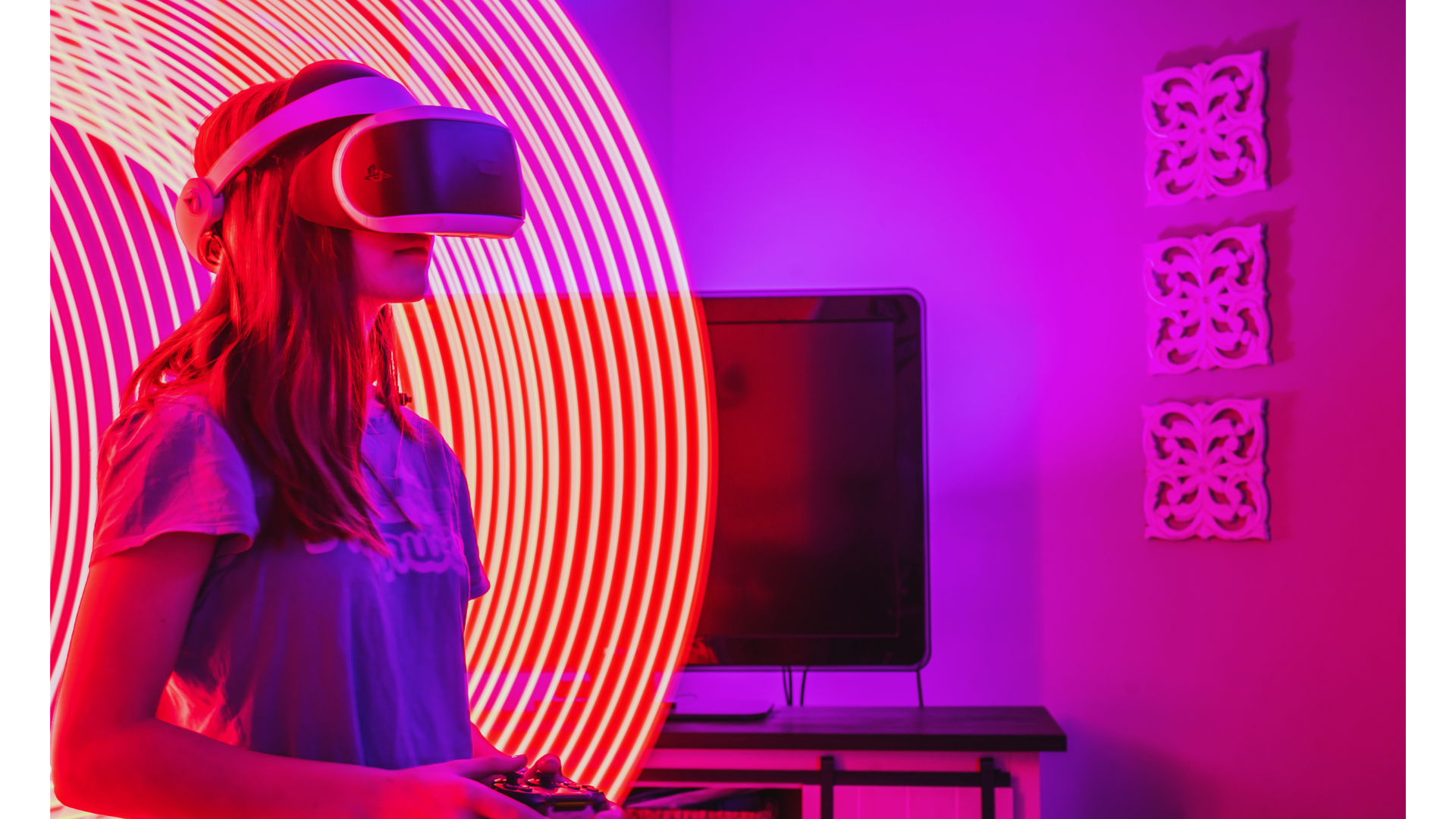
In the digital expanse where pixels blend with sensory illusions, Earl Grey tea emerges as an unlikely protagonist in virtual reality (VR) adventures, transforming a simple sip into a portal to enchanted realms. Imagine donning a headset to wander bergamot-scented orchards in sun-dappled Italy, or attending a ethereal tea ceremony amid floating Victorian parlors, where the citrusy aroma of bergamot mingles with holographic steam. This fusion of tradition and technology redefines tea time, leveraging VR’s immersive capabilities to heighten flavors, evoke emotions, and foster connections. As VR adoption surges—projected to reach 100 million users by 2027—these “immersive tea worlds” offer escapism, education, and even therapeutic benefits, turning Earl Grey from a morning ritual into a multisensory odyssey.
For tea enthusiasts and tech explorers alike, Earl Grey’s distinctive profile—robust black tea laced with bergamot’s floral-citrus zest—lends itself perfectly to VR simulations. Concepts draw from real-world inspirations like Japanese tea ceremonies digitized into transcendent narratives, or metaverse platforms enabling virtual tastings that simulate scents and tastes. Backed by emerging research on multisensory VR, these experiences could enhance perceived flavors, reduce sugar intake, or promote mindfulness. This article navigates the intersection of Earl Grey and VR, from foundational concepts to practical implementations, citing innovative projects and future trends. Whether you’re brewing a cup or booting up a headset, prepare to immerse in worlds where tea’s legacy meets virtual infinity.
What is Earl Grey Tea?
Earl Grey tea is a classic flavored black tea, blending oxidized leaves from Camellia sinensis—typically Assam, Ceylon, or Chinese varietals—with essential oil from bergamot citrus rinds. This hybrid fruit, Citrus bergamia, thrives in Calabria’s Mediterranean climate, yielding an oil rich in limonene and linalool for its signature bright, floral-citrus aroma that tempers the tea’s malty depth. Named after 19th-century British Prime Minister Charles Grey, folklore attributes its creation to a diplomatic gift masking lime-tainted water, though historical blends likely evolved from scented Chinese teas adapted with European citrus.
A typical brew contains 40-60 mg caffeine per cup, paired with L-theanine for calm alertness, and antioxidants like theaflavins for health perks. Steep at 195-205°F for 3-5 minutes to balance tannins and volatiles; add milk for creaminess or lemon to amplify bergamot. Variations include decaf, green-based, or Lady Grey with added peels. In VR contexts, Earl Grey’s evocative scent—reminiscent of lavender and orange—fuels immersive simulations, where digital recreations could mimic brewing rituals or bergamot harvests, enhancing sensory engagement without physical constraints.
The Rise of Virtual Reality and Its Intersection with Sensory Experiences
Virtual reality has evolved from clunky 1960s prototypes to sophisticated ecosystems, with headsets like Meta Quest 3 enabling wireless, high-fidelity immersion. By 2025, VR’s market value exceeds $50 billion, driven by gaming, education, and wellness applications. Multisensory VR extends beyond visuals, incorporating haptics, audio, and even scent diffusers to simulate real-world interactions, fostering “presence”—the illusion of being elsewhere.
Tea, with its ritualistic heritage, intersects naturally: projects like “immersiTea” demonstrate how VR environments alter flavor perceptions through crossmodal cues, such as pink hues boosting sweetness in bubble tea. For Earl Grey, this means virtual worlds amplifying bergamot’s uplift, perhaps syncing heartbeats to brewing sounds for mindfulness. Metaverse platforms preview this, offering virtual tea tours where users “sip” digitally, exploring plantations or historical salons. As AI integrates, personalized experiences emerge—adjusting aromas based on user preferences, blending Earl Grey’s tradition with futuristic interactivity.
Conceptualizing Earl Grey Immersive Worlds in VR
Envisioning Earl Grey in VR conjures diverse realms: a bergamot grove in virtual Calabria, where users harvest fruits amid buzzing bees and sunlit leaves, learning cultivation while “brewing” tea with haptic gloves simulating pours. Another concept: a floating Victorian tearoom, inspired by Grey’s era, with holographic guests discussing politics over steaming cups, bergamot scents diffused via add-ons.
Drawing from “Sen,” a VR tea ceremony exploring reincarnation, an Earl Grey variant could cycle through “lives”—from Chinese origins to British parlors—symbolizing the blend’s evolution, with heart-synced haptics enhancing emotional depth. Multisensory designs, per immersiTea, use visuals (citrus-yellow for zest) and audio (soothing chimes) to heighten flavors, making low-caffeine Earl Grey feel invigorating. Social VR adds layers: host metaverse parties where avatars share “tastes” via synchronized animations, fostering global connections. These concepts leverage Earl Grey’s aromatic versatility, turning passive drinking into narrative-driven adventures.
Real-World Examples of VR Tea Experiences
Pioneering projects pave the way for Earl Grey VR. “immersiTea,” a 2025 CHI paper, creates VR worlds for bubble tea, using environments like “Sweet Sensation” (pink, rounded) to boost perceived sweetness, reducing sugar needs—adaptable to Earl Grey’s bergamot for citrus-enhanced simulations. Users reported heightened enjoyment and flavor shifts, with progressive narratives amplifying engagement.
“Sen” offers a transcendent Japanese tea ceremony in social VR, integrating heartbeats via wearables for reincarnation-themed journeys, from fetal animations to cosmic voids—reimagining Earl Grey as a Western twist on chado. “Tea For God” employs non-Euclidean spaces for infinite exploration, themed around AI and religion, though tea is metaphorical; envision Earl Grey “pilgrimages” through procedural bergamot labyrinths.
“Tea Is Served,” a horror-comedy, casts players as waiters serving cryptids tea, blending fear with whimsy—potential for Earl Grey “haunted high teas.” Metaverse tea initiatives include virtual tours and purchases, with AI tastings on horizon. X posts hint at anime-inspired VR tea ceremonies, blending fiction with reality.
Benefits of Immersive Earl Grey VR Experiences
These virtual worlds offer multifaceted perks. Sensorially, crossmodal effects enhance flavors—e.g., immersiTea’s visuals amplify sweetness, potentially making unsweetened Earl Grey more appealing for health-conscious users. Educationally, explore bergamot’s history interactively, from Italian groves to Grey’s diplomacy.
Therapeutically, mindfulness boosts: Sen’s heartbeat integration fosters presence, reducing stress akin to real ceremonies. Socially, metaverse parties combat isolation, sharing Earl Grey “sips” globally. Accessibility shines—disabled individuals partake in tours without travel. Environmentally, virtual experiences cut carbon from physical tourism. Overall, they democratize tea culture, blending nostalgia with innovation for enriched well-being.
Creating and Accessing Your Own VR Tea Worlds
Dive in with accessible tools: Meta Quest or HTC Vive headsets, paired with apps like VRChat for custom worlds—build bergamot orchards using Unity, adding scents via diffusers. Platforms like Decentraland host metaverse tea events; join or create Earl Grey-themed spaces.
For tastings, sync physical brewing with VR: sip real tea while avatars mimic actions. DIY: Use AromaJoin devices for bergamot diffusion, or apps simulating tastes via visuals. Communities on Reddit or X share blueprints—e.g., anime VR tea parties. Start simple: Guided meditations in apps like Tripp, themed around Earl Grey rituals. Advanced: Develop with AI for personalized narratives, like reincarnation cycles inspired by Sen. Accessibility tips: Opt for seated modes to avoid motion sickness.
Future Trends in Earl Grey VR Immersion
By 2030, haptic suits could simulate tea’s warmth, while olfactory tech perfects bergamot scents. AI-driven tastings personalize blends, using biosensors to adjust flavors. Metaverse economies enable virtual tea trading with NFTs, or AR overlays for real-world enhancement.
Hybrid events: VR festivals blending Earl Grey with global ceremonies, fostering cultural exchange. Research expands: Building on immersiTea, studies target wellness, like VR for anxiety via calming bergamot worlds. Gaming integrations, like Tea For God’s procedurals, evolve into tea-themed adventures. Sustainability focus: Virtual tours reduce travel emissions. As 6G enables seamless immersion, Earl Grey VR becomes everyday escapism.
Potential Drawbacks and Considerations
Challenges include motion sickness from mismatched senses—mitigate with grounded designs. Accessibility barriers: High costs (headsets $400+) exclude some; subsidize via apps. Sensory overload risks overstimulation; limit sessions.
Privacy concerns in social VR; use secure platforms. Flavor simulation lags—physical tea remains essential, potentially diminishing authenticity. Over-reliance might erode real-world rituals. Address with balanced use, ensuring VR complements, not replaces, tangible experiences.
Conclusion
Earl Grey in VR weaves aromatic heritage into digital tapestries, from bergamot groves to reincarnative ceremonies, enriching senses and spirits. Drawing on projects like immersiTea and Sen, these worlds promise education, therapy, and joy. As technology advances, embrace the brew’s virtual evolution—your next cup could transport you beyond imagination.
