
Earl Grey tea, with its captivating blend of robust black tea and fragrant bergamot oil, is more than a beverage—it’s a culinary companion that elevates meals with its distinctive flavor profile. The malty depth of black tea combined with the bright, citrusy notes of bergamot makes Earl Grey a versatile partner for a wide range of foods, from traditional afternoon tea fare to bold savory dishes. Whether sipped hot on a chilly morning or iced during a summer brunch, this tea enhances dining experiences by harmonizing with both sweet and savory flavors.
The art of pairing food with Earl Grey lies in understanding its unique characteristics. The black tea base provides a tannic structure that stands up to rich or fatty foods, while bergamot’s floral-citrus aroma complements lighter, fruitier, or herbaceous elements. Thoughtful pairings can transform a simple meal into a sophisticated sensory journey, evoking the elegance of British tea culture or the innovation of modern cuisine. In this comprehensive guide, we’ll explore the principles of pairing Earl Grey with food, offering specific recommendations from classic scones to savory entrees, along with tips for hosting tea-centric gatherings. Whether you’re a home cook or a tea enthusiast, these insights will help you craft memorable meals that celebrate Earl Grey’s versatility.
Understanding Earl Grey’s Flavor Profile
Earl Grey’s allure stems from its balanced yet complex flavor. The black tea base—often sourced from Assam, Ceylon, or Chinese Keemun—delivers a bold, slightly astringent taste with earthy, malty undertones. Bergamot oil, extracted from the rind of a citrus fruit grown primarily in Calabria, Italy, adds a vibrant, floral-citrus note reminiscent of orange and lemon with a hint of spice. This duality allows Earl Grey to bridge sweet and savory dishes, cutting through richness while enhancing delicate flavors.
Tannins in black tea provide structure, making it ideal for pairing with fatty or creamy foods, as they cleanse the palate. Bergamot’s aromatic lift complements acidic or herbal ingredients, creating harmony in lighter dishes. The tea’s caffeine (40-60 mg per cup) adds a gentle alertness, perfect for morning or afternoon meals. Understanding these elements is key to selecting foods that amplify Earl Grey’s strengths, whether served hot, iced, or as a culinary ingredient.
Principles of Pairing Food with Earl Grey
Effective food pairing with Earl Grey follows a few core principles:
- Balance Intensity: Match the tea’s bold flavor with foods of similar weight. Heavy dishes like creamy desserts need Earl Grey’s robustness, while delicate pastries suit a lighter brew.
- Complement or Contrast: Pair with foods that echo bergamot’s citrus (lemon tarts) or contrast with its astringency (rich cheeses).
- Consider Texture: Tannins cut through creamy or fatty textures, refreshing the palate. Crisp or crunchy foods add textural contrast.
- Seasonal Context: Hot Earl Grey suits cozy winter meals; iced pairs with summery salads or seafood.
- Cultural Context: Lean into traditional pairings like scones for authenticity, or experiment with global flavors for modern twists.
These principles guide pairings, ensuring each bite and sip enhances the other.
Classic Pairings: Afternoon Tea Staples
Earl Grey is synonymous with British afternoon tea, where its bold flavor complements traditional offerings. Here are classic pairings:
- Scones with Clotted Cream and Jam: The quintessential afternoon tea treat, scones’ crumbly texture and mild sweetness pair beautifully with Earl Grey. The tea’s tannins cut through the richness of clotted cream, while bergamot enhances fruit jams like strawberry or raspberry. Serve scones warm with a hot cup for a comforting ritual.
- Cucumber Sandwiches: These light, refreshing sandwiches with crisp cucumber and creamy spread balance Earl Grey’s astringency. The tea’s citrus notes elevate the delicate flavors, making this a perfect light lunch pairing.
- Lemon Tarts or Shortbread: Citrus-based desserts like lemon tarts amplify bergamot’s zest, creating a bright, cohesive pairing. Buttery shortbread offers a neutral canvas, letting the tea’s floral notes shine.
For an authentic experience, brew Earl Grey at 200-205°F for 3-4 minutes and serve with milk or lemon to enhance these pairings. These classics evoke tradition while showcasing the tea’s versatility.
Sweet Pairings: Desserts and Pastries
Earl Grey’s citrusy and malty notes make it a natural match for a variety of desserts beyond afternoon tea staples:
- Chocolate-Based Desserts: Dark chocolate truffles or brownies pair exquisitely with Earl Grey. The tea’s tannins temper chocolate’s richness, while bergamot adds a citrusy lift that cuts through sweetness. Try a 70% cocoa chocolate tart for a decadent match.
- Fruit-Based Pastries: Pastries with orange, pear, or berry fillings complement bergamot’s citrus profile. A pear frangipane tart or blueberry muffin alongside a hot cup creates a harmonious balance of sweet and tart.
- Creamy Desserts: Crème brûlée or panna cotta, with their silky textures, benefit from Earl Grey’s cleansing tannins. The tea’s floral notes enhance vanilla or citrus-infused custards.
- Spiced Cakes: Carrot cake or gingerbread, with warm spices like cinnamon or nutmeg, pair well with Earl Grey’s bold base. The bergamot adds a refreshing counterpoint to the spices.
For desserts, consider a slightly stronger brew (4-5 minutes) to stand up to bold flavors, or try iced Earl Grey with fruit desserts for a summery twist.
Savory Pairings: Main Courses and Appetizers
Earl Grey’s robust profile makes it an excellent companion for savory dishes, particularly those with rich or complex flavors:
- Smoked Salmon: The tea’s citrus notes enhance the fish’s delicate smokiness, while tannins cut through its oily texture. Serve with a bagel and cream cheese for brunch or as canapés for a tea party.
- Roasted Poultry: Roast chicken or turkey with herbs like rosemary or thyme pairs well with Earl Grey. The tea complements the savory herbs and cleanses the palate between bites. Try a lemon-herb roasted chicken for a direct bergamot connection.
- Creamy Pastas: Dishes like fettuccine Alfredo or mushroom risotto benefit from Earl Grey’s ability to balance richness. The tea’s astringency refreshes, making each bite more enjoyable.
- Cheese Boards: Pair with soft cheeses like brie or camembert, where tannins counteract creaminess. Blue cheeses like gorgonzola also work, as bergamot tempers their pungency. Add figs or grapes for a fruit element.
For savory pairings, brew Earl Grey lightly (3 minutes) to avoid overpowering delicate dishes, and consider iced versions for lighter meals like salads or seafood.
Global Inspirations: International Pairings
Earl Grey’s versatility extends to global cuisines, offering exciting cross-cultural pairings:
- Indian Cuisine: Pair with mildly spiced dishes like butter chicken or vegetable biryani. The tea’s tannins complement creamy sauces, and bergamot enhances subtle citrus notes in the spices.
- Japanese Cuisine: Sushi or tempura pairs beautifully with iced Earl Grey. The tea’s citrusy brightness complements raw fish or fried textures, acting as a palate cleanser.
- Mediterranean Dishes: Hummus, falafel, or grilled vegetable mezze work well with Earl Grey. The tea’s floral notes echo Mediterranean herbs like oregano, while tannins balance olive oil’s richness.
- Mexican Flavors: Try with citrus-marinated dishes like ceviche or chicken tacos with lime. Bergamot amplifies the citrus, creating a cohesive pairing.
These global pairings highlight Earl Grey’s adaptability, bridging traditional tea culture with diverse culinary traditions.
Using Earl Grey as a Culinary Ingredient
Beyond sipping, Earl Grey can be incorporated into dishes to enhance pairings:
- Baking: Infuse milk with Earl Grey for cakes or custards. Add ground tea leaves to shortbread or scones for a subtle bergamot flavor.
- Sauces and Glazes: Create an Earl Grey glaze for meats or desserts by reducing brewed tea with sugar and citrus juice. Brush over roasted pork or drizzle on lemon cake.
- Marinades: Use brewed Earl Grey in marinades for chicken or fish, combining with soy sauce or honey for depth.
- Dessert Infusions: Steep Earl Grey in cream for ice cream or ganache, amplifying bergamot’s presence in sweets.
When cooking, use high-quality loose-leaf tea and strain carefully to avoid bitterness. These applications make Earl Grey a star ingredient, not just a beverage.
Hosting an Earl Grey Tea Party
A tea party centered on Earl Grey pairings is a delightful way to showcase its versatility. Here’s how to plan one:
- Menu Planning: Offer a mix of classic (scones, cucumber sandwiches), sweet (lemon tarts, chocolate truffles), and savory (smoked salmon, cheese board) items. Include one global dish, like hummus, for variety.
- Brewing Options: Serve hot and iced Earl Grey, with decaf for evening guests. Provide milk, lemon, and honey for customization.
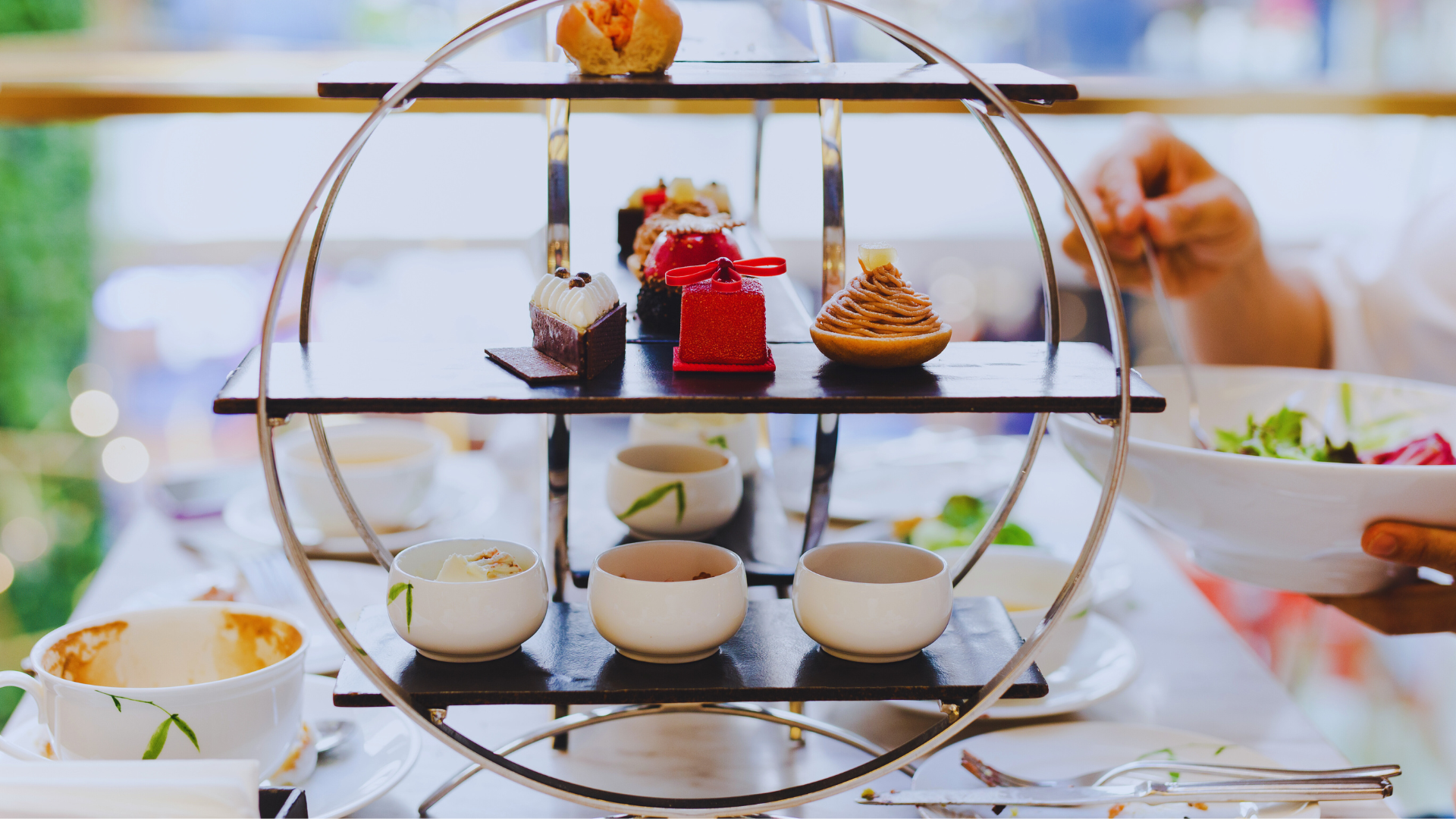
- Presentation: Use tiered stands for pastries, elegant plates for savories, and clear glassware for iced tea. Garnish with citrus slices or edible flowers.
- Ambiance: Set the mood with soft music and vintage teaware. Include tea trivia cards about Earl Grey’s history for conversation.
- Portion Control: Offer small portions to encourage sampling multiple pairings without overwhelming guests.
For larger gatherings, pre-brew tea in large pots and keep warm with a cozy. This creates a memorable, interactive experience that celebrates Earl Grey’s culinary potential.
Seasonal Pairings: Adapting to the Time of Year
Earl Grey adapts beautifully to seasonal menus:
- Spring: Pair with asparagus tartlets or strawberry shortcake. Iced Earl Grey enhances the freshness of spring produce.
- Summer: Serve with grilled shrimp skewers or peach cobbler. Iced tea with a lemon wedge is refreshing and light.
- Fall: Match with pumpkin bread or roasted butternut squash soup. Hot Earl Grey complements autumn’s warm flavors.
- Winter: Pair with gingerbread or braised beef short ribs. A steaming cup with a dash of milk warms the soul.
Adjust brewing strength and temperature based on season—lighter for summer, bolder for winter—to align with the mood and flavors.
Tips for Perfect Pairings
To ensure successful pairings:
- Taste as You Go: Sample tea and food together to fine-tune combinations. Adjust sweetness or brewing time if needed.
- Balance Flavors: Avoid overly sweet or spicy foods that drown out Earl Grey’s nuances. Aim for harmony.
- Experiment: Try unconventional pairings, like Earl Grey with spicy Thai noodles, to discover new favorites.
- Consider Temperature: Hot tea suits rich or warm dishes; iced tea pairs with lighter or chilled foods.
- Quality Matters: Use fresh, high-quality tea and ingredients to maximize flavor synergy.
Keeping a pairing journal helps track successes and refine future menus.
Common Pairing Mistakes to Avoid
Avoid these pitfalls for optimal pairings:
- Overbrewing tea, which leads to bitterness that clashes with delicate foods.
- Pairing with overly bold flavors (like heavy curries) that overpower bergamot.
- Serving tea too cold or hot, disrupting the food’s temperature balance.
- Ignoring portion sizes—large servings can overwhelm the tea’s subtlety.
- Using low-quality tea, which lacks the depth needed for complex pairings.
Correct these, and your pairings will consistently impress.
Conclusion
Earl Grey tea, with its bold black tea base and vibrant bergamot notes, is a culinary chameleon, pairing effortlessly with everything from scones to savory dishes. By understanding its flavor profile and applying pairing principles, you can create meals that are both delightful and sophisticated. From classic afternoon tea to global-inspired dinners, Earl Grey enhances every bite, turning dining into an art form. Whether hosting a tea party or enjoying a quiet meal, these pairings elevate the experience. Explore premium Earl Grey blends on onotea.com and start crafting unforgettable culinary moments today.
