
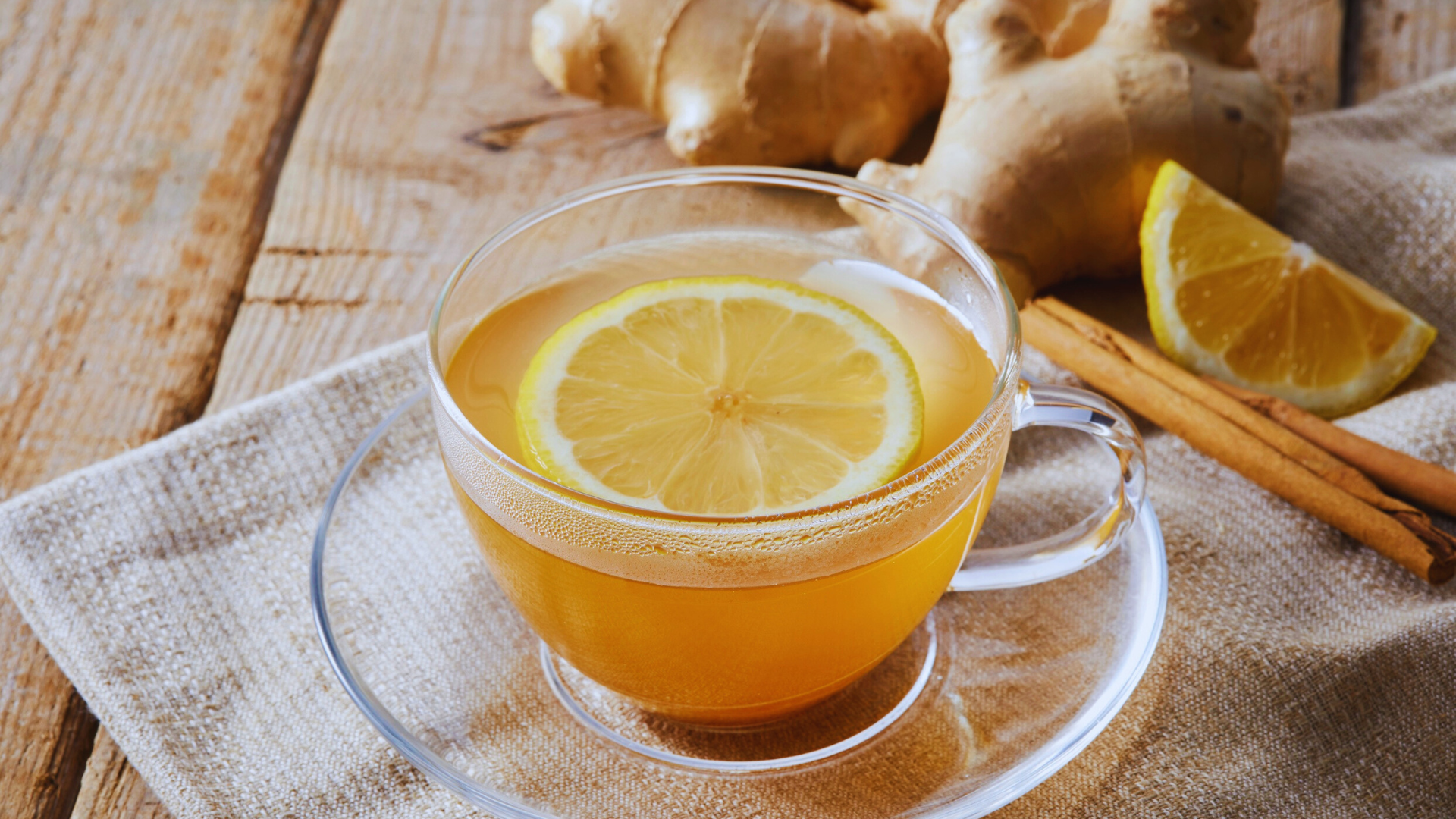
In the fast-paced rhythm of modern life, where mental sharpness feels like a premium commodity, many are turning to nature’s quiet allies for a cognitive edge. Enter ginger tea—a humble infusion that’s been sipped for centuries, now emerging as a potential guardian of brain health. The spicy warmth of fresh ginger root, steeped into a golden elixir, carries neuroprotective gingerols that may shield neurons, combat oxidative stress, and even stave off age-related cognitive decline. As research delves deeper into ginger’s role in focus, memory retention, and overall mental clarity, incorporating this tea into daily routines offers a simple, flavorful path to sharper thinking. Whether you’re navigating midlife fog, seeking sustained concentration, or proactively supporting long-term brain vitality, ginger tea whispers promise without the buzz of caffeine or the haze of synthetic enhancers.
Ginger (Zingiber officinale), with its knobby rhizome and fiery bite, has roots in ancient healing systems like Ayurveda and Traditional Chinese Medicine, where it was prized for invigorating “qi” and clearing mental stagnation. Today, science illuminates how its compounds—chiefly gingerols and shogaols—cross the blood-brain barrier to exert neuroprotective effects. These bioactive molecules act as antioxidants, scavenging free radicals that damage brain cells, while modulating inflammation that underlies many cognitive issues. In an era where neurodegenerative concerns loom large, ginger tea represents a gentle, daily ritual that could fortify the mind against time’s toll.
Always consult with a healthcare professional before adding new supplements, teas, or dietary changes to your routine, especially if you have underlying health conditions, are pregnant, or are taking medications.
The Neuroprotective Power of Gingerols
At the heart of ginger’s brain-boosting potential lies gingerol, the primary bioactive compound in fresh ginger. This phenolic antioxidant doesn’t just spice up your palate—it actively protects neural tissue. Gingerol inhibits oxidative stress, a key culprit in neuronal damage, by neutralizing reactive oxygen species (ROS) that accelerate aging and cognitive decline. Studies show gingerol enhances the brain’s endogenous antioxidant defenses, upregulating enzymes like superoxide dismutase (SOD) and glutathione peroxidase, which safeguard cells from lipid peroxidation and DNA harm.
Beyond antioxidants, gingerols exhibit anti-inflammatory prowess by suppressing pro-inflammatory cytokines like TNF-α and IL-6, which contribute to neuroinflammation—a hallmark of conditions like Alzheimer’s and mild cognitive impairment (MCI). In animal models, ginger extract has been shown to reduce beta-amyloid plaques, the protein aggregates linked to Alzheimer’s pathology, while promoting neurogenesis in the hippocampus—the brain’s memory hub. This hippocampal support is crucial: the region governs learning and recall, and ginger’s ability to activate pathways like NGF-induced ERK/CREB signaling fosters synaptic plasticity, essentially rewiring the brain for better function.
Human trials echo these findings. A randomized, placebo-controlled study on middle-aged women demonstrated that ginger supplementation improved attention and cognitive processing, with enhanced working memory and reduced reaction times. Participants consuming ginger showed increased N100 and P300 amplitudes in EEG readings—markers of improved neural responsiveness—suggesting better focus and information processing. Another investigation linked regular ginger consumption to lower risks of dementia and MCI in elderly populations, with plasma biomarkers like neurofilament light chain (NfL) indicating reduced neuronal damage.
Shogaols, formed when ginger is heated or dried, complement gingerols by crossing the blood-brain barrier more efficiently, offering sustained neuroprotection. In lab models of Parkinson’s-like conditions, these compounds mitigated dopaminergic neuron loss, hinting at broader applications for movement-related cognitive issues. Overall, ginger’s dual antioxidant and anti-inflammatory actions create a shield against the oxidative insults and chronic inflammation that erode cognitive reserves over time.
Ginger’s Potential Against Cognitive Decline
As populations age, the specter of cognitive decline—from mild forgetfulness to full-blown dementia—looms larger. Ginger tea may offer a proactive defense. Epidemiological data from cross-sectional studies in Shanghai revealed an inverse relationship between ginger intake and dementia risk, with consumers showing higher cognitive scores and lower plasma NfL levels—a biomarker of neurodegeneration. This suggests ginger’s role in preserving neural integrity, potentially delaying the onset or slowing the progression.
In neurodegenerative models, ginger’s neuroprotective effects shine. For Alzheimer’s, it inhibits acetylcholinesterase (AChE), the enzyme that breaks down acetylcholine—a key neurotransmitter for memory—much like some dementia drugs. Animal research demonstrates ginger reducing tau protein hyperphosphorylation, another Alzheimer’s hallmark, while boosting brain-derived neurotrophic factor (BDNF) to promote neuron survival and growth. A review of ginger’s memory-enhancing activity highlighted its ability to reverse cognitive deficits in scopolamine-induced amnesia models, restoring spatial memory and learning via antioxidant mechanisms.
For everyday cognitive fog—often tied to stress, poor sleep, or inflammation—ginger supports focus and mental clarity. A study on middle-aged women found that ginger extract improved working memory and attention, with EEG changes indicating enhanced brain wave activity for processing. In healthy adults, ginger powder enhanced attention after visual display tasks, preventing cognitive decline from fatigue. These effects may stem from ginger’s modulation of monoamine and cholinergic systems, boosting dopamine and acetylcholine for sharper alertness.
While promising, human trials remain limited—mostly small-scale or focused on middle-aged groups. Larger, long-term studies are needed, but current evidence positions ginger as a supportive ally against decline, particularly when incorporated early.
Incorporating Ginger Tea into Daily Routines for Mental Clarity
To weave ginger tea into your life for brain benefits, consistency is key—aim for 1-2 cups daily, brewed strong to maximize gingerols. Start mornings with a ritual: grate 1-2 inches fresh ginger, simmer 10-15 minutes in 2 cups water, strain, add lemon for vitamin C synergy, and honey for soothing sweetness. This kick-starts circulation and focus, countering grogginess.
For midday mental reset, try a turmeric-ginger blend: add ½ teaspoon turmeric and a pinch of black pepper (for curcumin absorption) during simmering. This golden elixir supports anti-inflammatory pathways for sustained clarity. Pair with a short walk or meditation—ginger’s circulation boost enhances oxygen delivery to the brain.
Evenings call for milder infusions: steep sliced ginger with mint for calming effects, avoiding overstimulation before bed. Track benefits in a journal—many report sharper recall and reduced brain fog after 4-6 weeks.
Enhance potency: Use fresh over dried for higher gingerol; grate for better extraction. Combine with omega-3-rich foods or exercise for synergistic neuroprotection. If supplementing, consult a doctor—tea offers gentler, cumulative support.
Sipping Toward Sharper Horizons
Ginger tea emerges as a flavorful sentinel for brain health: its neuroprotective gingerols guard against oxidative stress, inflammation, and decline, fostering focus and memory. From animal models showing synaptic enhancement to human trials boosting cognition, the evidence builds a compelling case for daily sips. Incorporate it into routines for mental clarity—morning boosts, midday elixirs, evening soothers—and let nature’s spice sharpen your edge. Here’s to minds that stay vibrant, one cup at a time.
