In the soft light of a morning bathroom mirror, a quiet ritual unfolds. Steam rises from a small bowl of freshly brewed ginger tea, carrying the sharp, spicy fragrance that instantly awakens the senses. A cotton pad dips into the golden liquid, then glides across clean skin—cooling, tingling slightly, leaving behind a subtle warmth and the promise of clarity. For centuries, ginger has been more than a kitchen staple; in traditional beauty practices across Asia and the Middle East, its fresh root was grated, steeped, and applied to achieve luminous, even-toned skin. Today, as clean beauty continues to evolve, ginger tea is finding its way back into modern routines—not as a fleeting trend, but as a gentle, science-supported ingredient that brings anti-inflammatory power, antioxidant protection, and natural radiance to daily skincare.
Fresh ginger tea, when brewed strong and cooled, becomes a versatile, cost-effective base for DIY toners, masks, compresses, and spot treatments. Its bioactive compounds—gingerol, shogaol, paradol, and zingerone—deliver targeted benefits for common skin concerns: redness, acne, dullness, uneven texture, and the slow loss of glow that comes with stress, pollution, and hormonal shifts. Unlike harsh actives that can strip or sensitize, ginger works with the skin’s own systems, calming inflammation while encouraging microcirculation and cell turnover. When used thoughtfully, it becomes a daily invitation to healthier, more radiant skin.
Always consult with a healthcare professional before adding new supplements, teas, or dietary changes to your routine, especially if you have underlying health conditions, are pregnant, or are taking medications.
Why Ginger Works on Skin: The Science of Its Topical Power
Ginger’s skincare reputation begins with its potent anti-inflammatory activity. Gingerol and shogaol inhibit key inflammatory pathways, including COX-2 and NF-κB, reducing the production of prostaglandins and cytokines that drive redness, swelling, and acne flare-ups. In lab studies, ginger extracts have shown significant suppression of inflammatory markers in human keratinocytes and fibroblasts—cells directly involved in skin barrier function and repair. This calming effect makes ginger tea particularly helpful for inflammatory acne, rosacea-prone skin, and post-breakout redness.
Antioxidant protection is another cornerstone. Ginger contains a rich profile of polyphenols and gingerols that neutralize free radicals generated by UV exposure, pollution, and blue light. By reducing oxidative stress, ginger helps prevent premature collagen breakdown and supports a brighter, more even complexion. Research has demonstrated that topical ginger preparations increase the activity of endogenous antioxidant enzymes (superoxide dismutase and catalase) in skin cells, offering a natural shield against environmental aging.
Ginger also promotes microcirculation. Its warming, rubefacient nature gently increases blood flow to the surface when applied, delivering oxygen and nutrients to skin cells while aiding the removal of metabolic waste. This enhanced circulation contributes to the coveted “glow”—that lit-from-within look that comes from well-oxygenated, well-nourished tissue. At the same time, improved blood flow supports faster healing of acne lesions and post-inflammatory hyperpigmentation.
For acne specifically, ginger exhibits mild antibacterial activity against Propionibacterium acnes (now Cutibacterium acnes), the bacteria implicated in inflammatory breakouts. It also helps regulate sebum production by modulating androgen receptor activity in sebaceous glands, potentially reducing oiliness without stripping the skin. These combined actions—anti-inflammatory, antioxidant, antimicrobial, and circulation-boosting—make ginger tea a multi-tasking ingredient for clearer, calmer, more radiant skin.
DIY Ginger Tea Toners, Masks, and Compresses
The beauty of ginger tea in skincare lies in its simplicity and adaptability. Freshly brewed, cooled tea serves as a versatile base that can be used alone or enhanced with complementary ingredients.
1. Classic Ginger Tea Toner (Daily Balancing Mist) Ingredients:
- 2 inches fresh ginger root, peeled and grated
- 1 cup distilled or filtered water
- Optional: 1 tablespoon witch hazel (alcohol-free), 5–10 drops tea tree oil
Method: Simmer ginger in water for 12–15 minutes. Cool completely, strain through fine mesh or cheesecloth. Pour into a dark glass spray bottle or cotton-pad dispenser. Store in refrigerator up to 5–7 days. How to use: After cleansing, mist or swipe over face and neck morning and night. Benefits: Gently removes residual cleanser, balances pH, reduces redness, tightens pores, and preps skin for serums/moisturizers. Pro tip: For extra calming, add a teaspoon of aloe vera gel to the cooled tea.
2. Ginger-Honey Acne Mask (Weekly Treatment) Ingredients:
- ½ cup strong, cooled ginger tea
- 2 tablespoons raw honey
- 1 teaspoon bentonite or kaolin clay (optional for oilier skin)
- 3–5 drops lavender or tea tree essential oil (optional)
Method: Mix into a smooth paste. Apply to clean skin, avoiding eye area. Leave on 10–15 minutes (do not let fully dry if skin is sensitive). Rinse with lukewarm water. Benefits: Honey’s antibacterial and humectant properties pair with ginger’s anti-inflammatory action to calm active breakouts, reduce redness, and promote healing without drying. Variation: For post-inflammatory hyperpigmentation, add 1 teaspoon fresh lemon juice (use only at night and follow with SPF).
3. Ginger Tea Eye Compress (De-Puffing Ritual) Ingredients:
- Strong cooled ginger tea
- 2 cotton rounds or reusable eye pads
Method: Soak pads in tea, wring lightly, place over closed eyes for 10–15 minutes. Benefits: Reduces morning puffiness, soothes tired, allergy-prone eyes, and improves microcirculation for brighter under-eye skin.
4. Ginger-Turmeric Brightening Mask (Glow Booster) Ingredients:
- ¼ cup cooled ginger tea
- ½ teaspoon turmeric powder
- 1 tablespoon yogurt or plant-based yogurt
- 1 teaspoon honey
Method: Mix into a smooth paste. Apply thinly, leave 8–12 minutes, rinse gently. Benefits: Turmeric’s curcumin enhances ginger’s anti-inflammatory and antioxidant effects for even tone and radiance. Yogurt’s lactic acid gently exfoliates. Use 1–2 times weekly.
5. Ginger Tea Spot Treatment (Overnight Blemish Rescue) Ingredients:
- Strong cooled ginger tea
- 1 drop tea tree oil (optional)
Method: Soak a cotton swab in tea, apply directly to blemish before bed. Benefits: Reduces overnight inflammation and redness; many notice smaller, calmer pimples by morning.
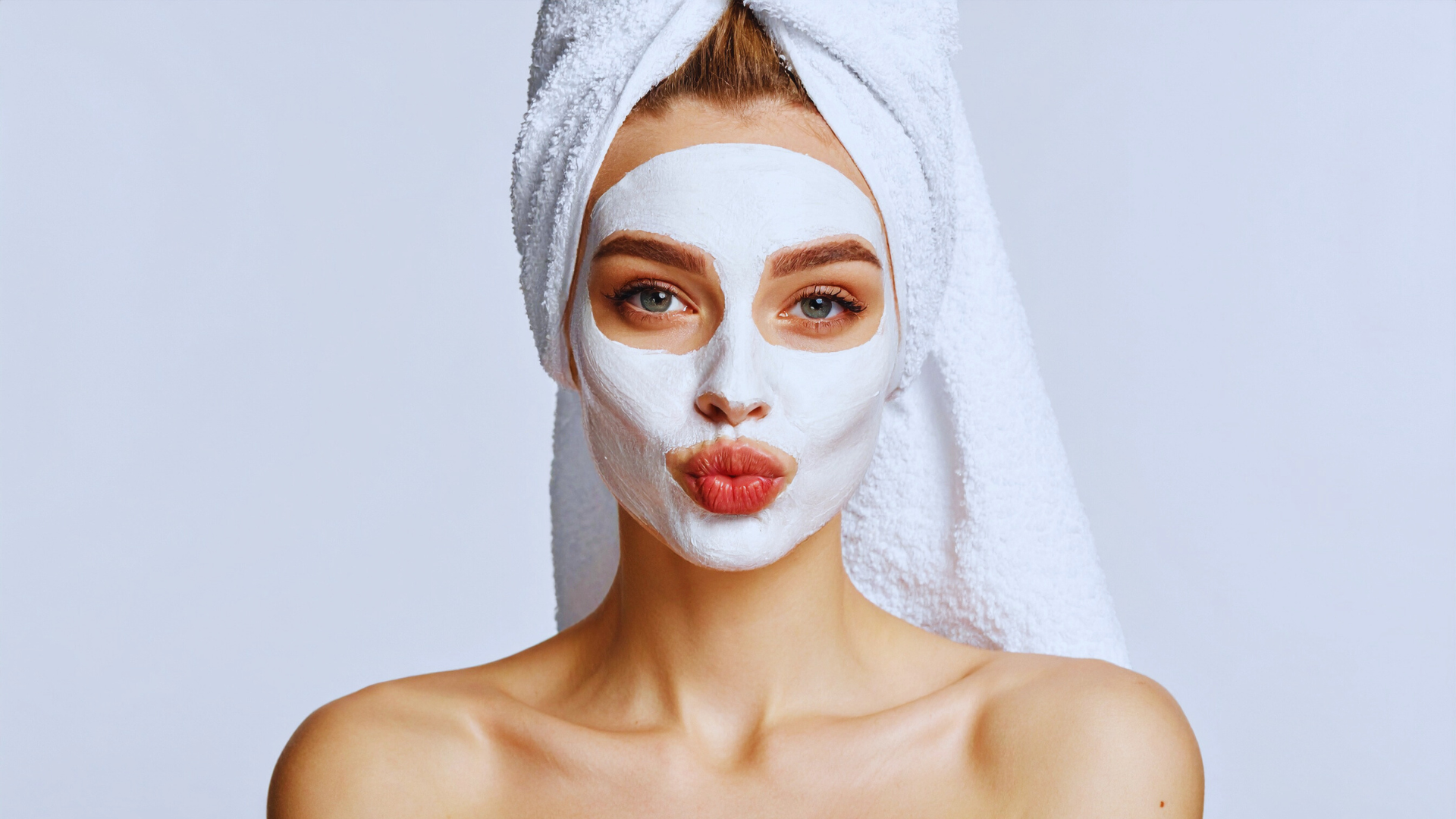
6. Ginger-Lemon Steam Facial (Deep Cleanse & Glow) Method: Brew strong ginger tea, pour into a heat-safe bowl, lean over (10–12 inches away) with towel draped over head for 5–8 minutes. Follow with gentle cleansing and toner. Benefits: Steam opens pores, ginger vapor reduces inflammation, improves circulation—ideal before masking or extractions.
7. Ginger Tea Hair Rinse (Scalp Health Bonus) Method: Use leftover cooled strong tea as final rinse after shampooing. Benefits: Stimulates scalp circulation, reduces dandruff-causing inflammation, adds shine to hair.
Daily Rituals and Tips for Best Results
Consistency transforms ginger tea from an occasional treat to a skincare staple. Incorporate it 5–7 days a week:
- Morning: Toner after cleansing to wake skin and set the tone for the day.
- Evening: Toner + mask 2–3 nights weekly for repair and glow.
- Weekly: Steam facial or eye compress for a deep reset.
Always patch-test first (inner arm, 24 hours). Use fresh ginger—dried or powdered lacks the same potency and can be more irritating. Store brewed tea in the fridge; discard after 5–7 days or if the scent changes. Avoid eyes and broken skin. If irritation occurs, dilute further or discontinue.
A Radiant, Calmer Complexion Awaits
Ginger tea in skincare is not about a dramatic overnight transformation—it’s about consistent, gentle support that calms inflammation, clears congestion, brightens tone, and restores glow over time. Its anti-inflammatory, antioxidant, and circulation-boosting properties make it especially valuable for acne-prone, sensitive, or dull skin. Brew it fresh, apply with intention, and let the spice quietly work its magic. Here’s to skin that feels alive, balanced, and luminous—one soothing swipe, one warming mask, one radiant morning at a time.
