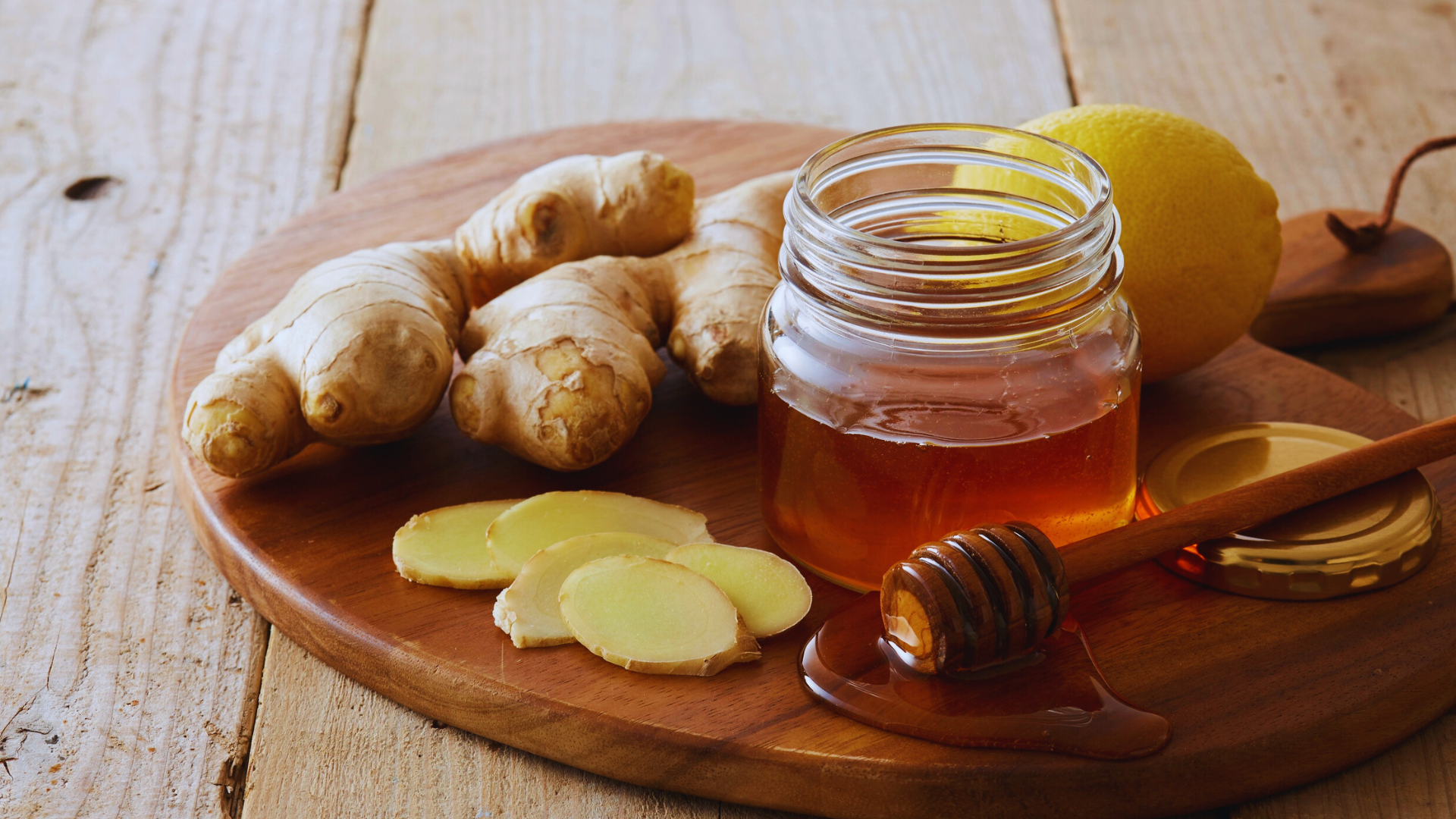
There’s an undeniable comfort in ginger tea—its sharp, spicy warmth that cuts through the chill of a winter morning or soothes an unsettled stomach after a heavy meal. For many, it’s become a daily ritual, a natural go-to for digestion, immunity, and overall vitality. Yet, like any potent plant remedy, ginger carries nuances that deserve attention. While generally safe and well-tolerated in moderate amounts, excessive consumption or certain health conditions can lead to side effects ranging from mild discomfort to more serious concerns. Understanding safe dosage, potential risks like heartburn, blood-thinning effects, gallstone aggravation, and medication interactions empowers you to enjoy ginger tea mindfully—harnessing its benefits without unintended consequences.
Ginger (Zingiber officinale), whether fresh root, dried, or brewed as tea, has earned its place in wellness traditions worldwide. Its bioactive compounds—gingerol in fresh form, shogaols when heated or dried—deliver anti-inflammatory, antioxidant, and digestive support. In typical culinary or tea amounts, these effects are gentle and positive. However, pushing beyond moderate intake can tip the balance toward irritation or interference. The key lies in moderation, awareness of individual factors, and open dialogue with healthcare providers, especially for those on medications or with pre-existing conditions.
Always consult with a healthcare professional before adding new supplements, teas, or dietary changes to your routine, especially if you have underlying health conditions, are pregnant, or are taking medications.
Safe Dosage Guidelines: Finding the Sweet Spot
Health authorities generally consider ginger safe for most adults when consumed in food amounts or as tea. Reliable sources, including WebMD and the National Center for Complementary and Integrative Health (NCCIH), indicate that up to 4 grams of ginger per day is typically safe for healthy adults. This equates to roughly 1-2 inches of fresh root (grated or sliced) brewed into 2-3 cups of tea, depending on strength.
- Culinary/tea use — 1-4 grams daily (about ½-2 teaspoons powdered or 1-4 teaspoons grated fresh) is common and low-risk.
- Therapeutic doses — Studies on nausea, inflammation, or menstrual relief often use 1-3 grams daily, split across doses, with good tolerance up to 12 weeks.
- Upper limit — Doses exceeding 5-6 grams daily increase the likelihood of side effects like gastrointestinal upset. The FDA recognizes ginger as “generally recognized as safe” (GRAS) in food, but cautions against high supplemental doses without guidance.
For tea specifically, brewing 1-2 inches of fresh ginger in 1-2 cups of water yields about 1-2 grams per serving—comfortably within safe ranges when limited to 2-3 cups daily. Pregnant individuals should cap at 1 gram daily (often recommended for nausea relief), while those with sensitivities may start lower (½ inch root) and monitor response. Always prioritize fresh root for potency and flavor; powdered or dried forms are more concentrated, so adjust downward.
Common Side Effects: Mostly Mild, Dose-Dependent
For most people, ginger tea causes no issues at moderate levels. When side effects occur, they’re typically gastrointestinal and tied to higher intake (often 5+ grams daily).
- Heartburn and Acid Reflux — Ginger’s spicy pungency can relax the lower esophageal sphincter or irritate the stomach lining in sensitive individuals, leading to heartburn, burping, or reflux. This mimics the sensation from other spicy foods. Those with GERD or frequent acid issues may notice flare-ups, especially on an empty stomach or with strong brews. Starting with milder infusions (shorter steep, less ginger) often resolves this.
- Stomach Upset, Diarrhea, Bloating — High doses may overstimulate digestion, causing loose stools, gas, or general discomfort. These are transient and resolve with reduced intake.
- Mouth/Throat Irritation — The heat can cause mild tingling or irritation in the mouth/throat, similar to spicy foods—usually harmless but noticeable in excess.
These effects are rare at tea-level doses and often self-resolve. If persistent, dilute brews or switch to post-meal timing.
Blood-Thinning Effects and Bleeding Risks
One of ginger’s more discussed concerns involves its mild anticoagulant properties. Ginger inhibits platelet aggregation (via interference with thromboxane) and may slow clotting, potentially increasing bruising or bleeding risk.
This effect is dose-dependent and typically minimal in food/tea amounts. However, at higher doses (especially supplements >4-5 grams), or combined with factors like surgery or bleeding disorders, caution is warranted.
- Interactions with Blood Thinners — Ginger may potentiate anticoagulants/antiplatelets like warfarin (Coumadin), aspirin, clopidogrel (Plavix), heparin, or even NSAIDs. Case reports and mechanistic data suggest possible INR elevation (warfarin monitoring metric) or prolonged bleeding time.
- Pre-Surgery — Many experts recommend stopping ginger (especially supplements) 1-2 weeks before procedures to minimize bleeding risk.
- Bleeding Disorders — Those with hemophilia, von Willebrand disease, or a history of easy bruising/bleeding should consult providers before regular use.
For occasional tea drinkers (1-3 cups daily), risk appears low, but monitor if on relevant meds—discuss with a doctor or pharmacist for personalized guidance.
Gallstone and Gallbladder Concerns
Ginger stimulates bile production and gallbladder contraction (choleretic/cholagogue effects), which aids digestion but raises questions for those with gallstones or gallbladder disease.
In theory, increased bile flow could dislodge stones, causing painful blockage (biliary colic) or complications. While direct evidence linking moderate ginger tea to gallstone attacks is limited, traditional cautions and some expert sources advise avoidance or caution in symptomatic gallstones, cholecystitis, or bile duct issues.
If you have a gallbladder history, start small and observe; many tolerate tea well, but consult a healthcare provider for clearance.
Other Interactions and Special Populations
- Diabetes Medications — Ginger may lower blood sugar; combined with antidiabetics (insulin, metformin), monitor for hypoglycemia risk.
- Blood Pressure Drugs — Mild hypotensive effects could enhance certain antihypertensives—rare but possible lightheadedness.
- Pregnancy/Breastfeeding — Up to 1 gram daily, often used for nausea (under guidance); higher doses lack safety data—consult OB-GYN.
- Heart Conditions — High doses may affect some cardiac issues—caution advised.
Allergic reactions (rash, breathing issues) are rare but possible—discontinue if suspected.
Moderation Guidelines and Practical Tips
- Daily Cap — 4 grams max for most adults (≈2-4 cups strong tea); 1 gram if pregnant or sensitive.
- Start Low — Begin with ½-1 inch root, build gradually.
- Monitor — Track symptoms; reduce if GI upset or unusual bleeding/bruising occurs.
- Timing — With food to buffer stomach; avoid late-night strong brews if reflux-prone.
- Quality — Fresh, organic root preferred; store properly (fridge/freezer).
- Professional Input — Always consult a doctor/pharmacist before regular use with medications/conditions.
Ginger tea remains a safe, delightful addition to most routines when enjoyed mindfully. Its warmth and benefits far outweigh risks for the majority, but knowledge ensures safe sipping. Brew with care, listen to your body, and consult when in doubt—here’s to balanced wellness in every cup.
