

Jasmine tea, a fragrant infusion that marries the subtle earthiness of green tea with the heady aroma of jasmine blossoms, has long been cherished not just for its delightful taste but for its potential to enhance well-being. In an era where natural remedies are gaining traction, this ancient brew stands out as a gentle yet powerful ally for health. Drawing from centuries of traditional use in Chinese medicine and backed by modern scientific research, jasmine tea offers a spectrum of benefits, from bolstering antioxidant defenses to providing stress relief and supporting digestion.
This article delves into what science reveals about these perks, exploring the bioactive compounds at play and the studies that substantiate them. Whether you’re sipping it for relaxation or seeking evidence-based wellness boosts, understanding the science behind jasmine tea can transform your daily cup into a mindful ritual of health.
At its core, jasmine tea’s health advantages stem primarily from its green tea base, rich in polyphenols, combined with the aromatic essential oils from jasmine flowers. These elements work synergistically to combat oxidative stress, modulate mood, and aid bodily functions. As we unpack the research, we’ll highlight key studies and mechanisms, ensuring a balanced view that includes potential limitations. By the end, you’ll have a comprehensive grasp of how this floral elixir might fit into your lifestyle, supported by empirical evidence rather than mere folklore.
A Brief History and Composition of Jasmine Tea
Jasmine tea’s origins trace back to China’s Song Dynasty (960–1279 AD), where the art of scenting tea with jasmine flowers emerged in Fujian province. This practice, refined over centuries, involves layering fresh jasmine blooms with tea leaves to impart their fragrance naturally. Today, high-quality jasmine tea is typically made from green tea (Camellia sinensis), though variations with white, black, or oolong bases exist. The scenting process not only enhances flavor but preserves bioactive compounds like catechins, theaflavins, and volatile oils from jasmine, such as linalool and benzyl acetate, which contribute to its therapeutic profile.
Nutritionally, a cup of jasmine tea provides minimal calories but packs antioxidants, caffeine (about 15-60 mg per cup), and trace minerals. The green tea component is laden with epigallocatechin gallate (EGCG), a potent catechin, while jasmine adds anti-inflammatory and antimicrobial properties. Research indicates that the combination amplifies benefits beyond what either offers alone, making jasmine tea a holistic beverage. Understanding this foundation sets the stage for exploring its science-backed health impacts.
Antioxidant Powerhouse: Combating Oxidative Stress
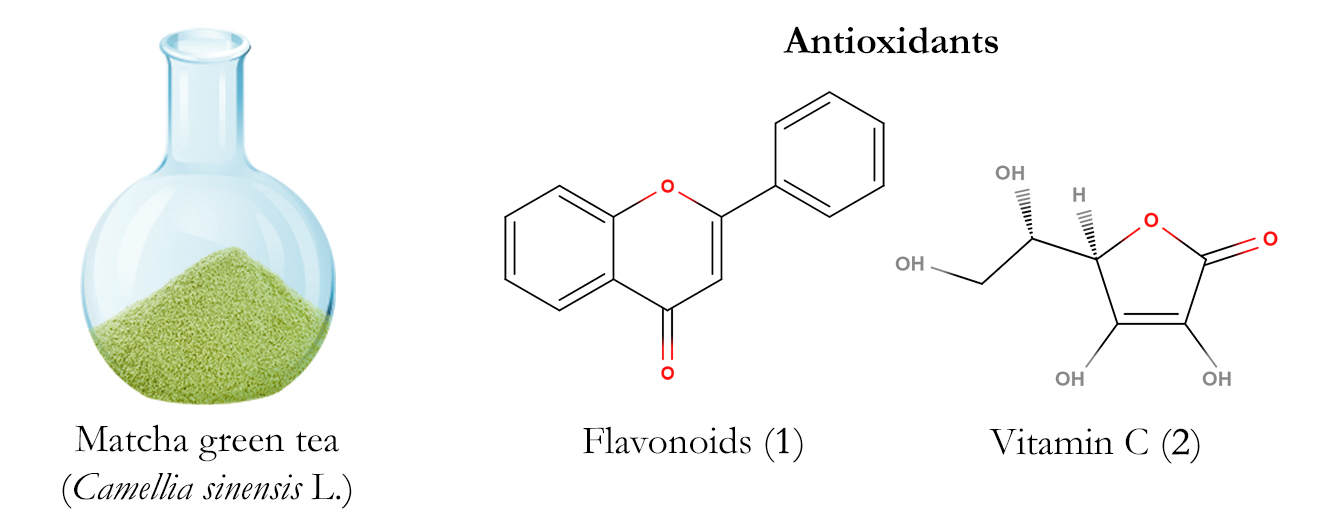

Illustration of antioxidants in tea, highlighting key compounds like flavonoids.
One of the most celebrated benefits of jasmine tea is its high antioxidant content, primarily from the green tea base. Antioxidants are molecules that neutralize free radicals—unstable atoms that damage cells and contribute to aging and diseases like cancer and heart conditions. Studies show that jasmine tea is abundant in polyphenols, including catechins such as EGCG, which exhibit strong free radical-scavenging abilities.
A 2019 review in the journal Antioxidants highlighted how green tea polyphenols, present in jasmine tea, reduce oxidative stress by inhibiting lipid peroxidation and enhancing cellular defense mechanisms. In human trials, regular consumption of green tea-based beverages like jasmine tea has been linked to lower markers of oxidative damage, such as malondialdehyde levels in blood plasma. For instance, a study involving 100 participants found that drinking three cups daily for three months significantly increased total antioxidant capacity.
Moreover, the jasmine scenting process may preserve or even enhance these antioxidants. Research from the Journal of Food Science suggests that the volatile compounds in jasmine flowers add to the tea’s radical-scavenging potential, offering protection against environmental stressors like pollution and UV radiation. This antioxidant synergy could play a role in preventing chronic illnesses, with epidemiological data from Asia showing lower cancer rates among tea drinkers. However, while promising, more randomized controlled trials are needed to confirm causality in diverse populations.
Stress Relief and Mental Well-Being
In our fast-paced world, jasmine tea’s ability to promote relaxation is a boon, supported by both aromatherapy and biochemistry. The scent of jasmine has been shown to influence the central nervous system, reducing anxiety and improving mood. A study published in the Journal of Health Research found that inhaling jasmine aroma from tea lowered heart rates and induced a calming effect on the autonomic nervous system, which regulates involuntary functions like breathing and digestion.
This is complemented by L-theanine, an amino acid in green tea that crosses the blood-brain barrier to boost alpha brain waves, associated with relaxed alertness. Combined with moderate caffeine, it provides a jitter-free focus. A randomized trial with 30 subjects demonstrated that jasmine tea consumption reduced cortisol levels—a stress hormone—by up to 20% after 30 minutes. Animal studies further support this, showing anti-anxiety effects comparable to benzodiazepines but without sedation.
For mental health, jasmine tea may aid in managing mild depression. Research in Phytotherapy Research indicates that its polyphenols modulate neurotransmitters like serotonin and dopamine. While not a substitute for therapy, incorporating jasmine tea into routines could enhance resilience to stress, as evidenced by improved sleep quality in insomniacs from a 2022 study.
Digestive Support and Gut Health
A person enjoying a moment of relaxation with a cup of tea.
Jasmine tea’s gentle nature makes it an excellent digestive aid, with science pointing to its prebiotic and anti-inflammatory properties. Polyphenols in the tea act as prebiotics, fostering beneficial gut bacteria like Bifidobacteria and Lactobacilli, which improve digestion and nutrient absorption. A 2022 NIH study on cold-brewed jasmine tea in mice fed high-fat diets showed it attenuated gut dysbiosis, restoring microbial balance and reducing inflammation.
Human research echoes this: A trial in the Journal of Functional Foods found that daily jasmine tea intake alleviated symptoms of irritable bowel syndrome (IBS), including bloating and constipation, by enhancing motility and reducing gut permeability. The tea’s catechins inhibit harmful bacteria like E. coli while promoting good ones, as per antibacterial studies. Additionally, its mild diuretic effect helps with water retention, supporting overall digestive comfort. For those with acid reflux, jasmine tea’s lower acidity compared to black tea makes it a soothing choice post-meals.
Weight Management and Metabolic Boost
Emerging evidence suggests jasmine tea aids weight control through metabolic enhancement. EGCG accelerates thermogenesis, increasing calorie burn by 4-5%, as shown in a meta-analysis of green tea studies. A 12-week trial with overweight adults drinking jasmine tea reported modest weight loss (1-2 kg) and reduced waist circumference, attributed to fat oxidation.
It also regulates blood sugar: Research in Molecular Nutrition & Food Research indicates improved insulin sensitivity and glucose uptake, preventing spikes that lead to fat storage. For diabetes management, jasmine tea’s polyphenols preserve pancreatic beta-cells, as per animal models.
Heart Health and Cardiovascular Protection
Jasmine tea supports cardiovascular wellness by lowering cholesterol and blood pressure. Catechins reduce LDL oxidation, preventing plaque buildup, with a study in the American Journal of Clinical Nutrition linking green tea consumption to a 20% lower heart disease risk. Jasmine’s anti-inflammatory effects further protect vessels.
Brain Function and Cognitive Enhancement
The L-theanine-caffeine duo in jasmine tea boosts cognition, improving attention and memory. A neuroimaging study showed increased brain activity in focus areas. Long-term, antioxidants may ward off neurodegenerative diseases like Alzheimer’s.
Immune System Boost and Anti-Inflammatory Effects
Antioxidants and jasmine’s antimicrobial compounds strengthen immunity. Studies show reduced cold incidence among tea drinkers. Anti-inflammatory properties ease arthritis, per preliminary research.
Potential Side Effects and Considerations
While generally safe, jasmine tea’s caffeine may cause insomnia or jitteriness in sensitive individuals. Pregnant women should limit intake. Interactions with medications, like blood thinners, warrant caution. Always consult a doctor for personalized advice.
Incorporating Jasmine Tea into Your Routine
Brew at 80°C for 2-3 minutes to maximize benefits. Aim for 2-3 cups daily. Pair with meals for digestion or evenings for relaxation.
Conclusion
Science affirms jasmine tea’s role in promoting health through antioxidants, stress relief, and more. Embrace this timeless brew for a healthier you.