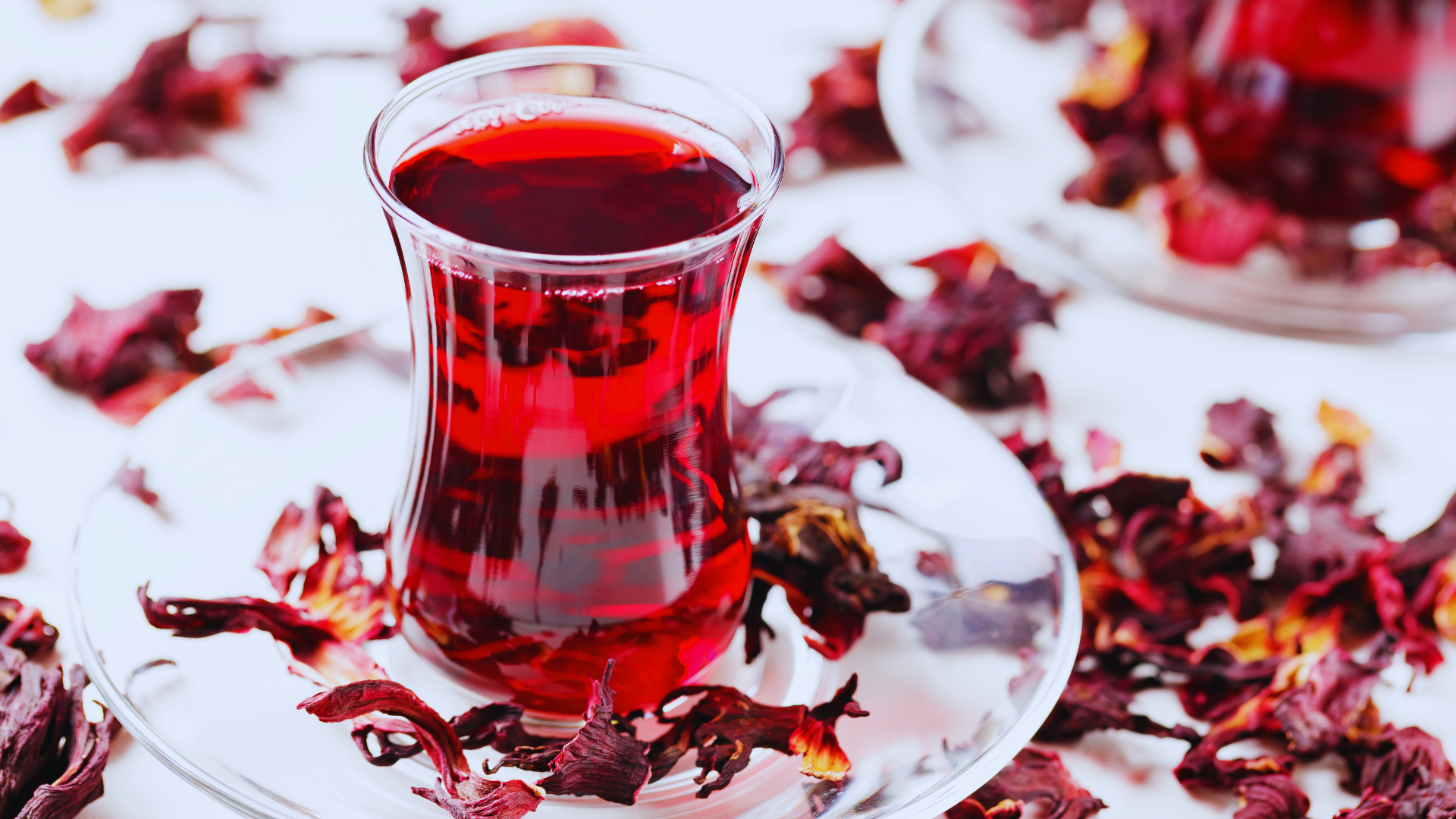
Hibiscus tea, brewed from the striking crimson calyces of the Hibiscus sabdariffa plant, offers a tangy, cranberry-like zest that invigorates the palate while providing a natural approach to managing hypertension. Known as “sour tea” or “karkade” in various cultures, this caffeine-free infusion has been a staple in traditional remedies for centuries, particularly in regions like West Africa, the Caribbean, and Mexico, where it’s sipped for its refreshing coolness and purported health perks. In modern wellness circles, hibiscus tea is celebrated for its potential to lower blood pressure, thanks to a wealth of bioactive compounds such as anthocyanins, flavonoids, and organic acids that promote vascular health and fluid balance.
Hypertension, or high blood pressure, affects over a billion people globally, silently elevating risks for heart disease, stroke, and kidney failure. While lifestyle modifications and medications are cornerstones of management, many seek complementary natural options like hibiscus tea, which research suggests can significantly reduce both systolic (the top number, measuring pressure during heartbeats) and diastolic (the bottom number, during rest) readings. This article explores the evidence behind these effects, including specific drops in blood pressure metrics, comparisons to standard pharmaceuticals, and practical daily usage tips.
Remember, hibiscus tea is not a substitute for prescribed treatments—consult your healthcare provider before integrating it, especially if you have low blood pressure, take medications, or are pregnant, as it may interact with drugs like hydrochlorothiazide or influence estrogen levels.
Mechanisms: How Hibiscus Tea Naturally Lowers Blood Pressure
Understanding hibiscus tea’s antihypertensive action starts with its rich phytochemical profile. Anthocyanins, the pigments giving the tea its vivid red hue, act as potent antioxidants, scavenging free radicals that damage blood vessel linings and contribute to stiffness. This oxidative protection helps maintain endothelial function, allowing vessels to dilate more effectively.
A key mechanism is hibiscus’s mild diuretic effect, similar to thiazide diuretics, which increases urine output to reduce fluid volume and sodium levels in the bloodstream, easing pressure on arterial walls. Studies also indicate it inhibits angiotensin-converting enzyme (ACE), a protein that constricts blood vessels—mirroring the action of ACE inhibitors like lisinopril. Additionally, hibiscus promotes nitric oxide release, a vasodilator that relaxes smooth muscle in vessel walls for improved flow.
Animal models support these pathways: Rats with induced hypertension showed normalized blood pressure after hibiscus extract, linked to reduced vascular resistance and enhanced kidney filtration. Human trials echo this, with bioactive acids like hibiscus acid and protocatechuic acid aiding in calcium channel modulation to prevent excessive contraction. These combined effects make hibiscus a multifaceted natural option for hypertension management, particularly for those with mild to moderate elevations.
Evidence on Systolic and Diastolic Drops: What Studies Reveal
Scientific backing for hibiscus tea’s blood pressure-lowering prowess is robust, drawn from randomized controlled trials (RCTs) and meta-analyses. A comprehensive meta-analysis of 17 chronic trials found hibiscus significantly reduced systolic blood pressure (SBP) by an average of 7.10 mmHg compared to placebo, with effects most pronounced in those with baseline elevations. Diastolic blood pressure (DBP) trended downward by 3.26 mmHg, though not always statistically significant across subgroups.
In a landmark USDA study, 65 pre-hypertensive adults drinking three cups daily for six weeks saw SBP drop by 7.2 mmHg and DBP by 3.1 mmHg, versus minimal changes in the placebo group. Participants with higher initial SBP (130-150 mmHg) experienced greater reductions—up to 13.2 mmHg systolic and 6.4 mmHg diastolic—highlighting a dose-response relationship where benefits amplify with severity.
Another meta-analysis of 26 RCTs involving nearly 1,800 participants confirmed dose-dependent effects: Higher hibiscus doses linearly lowered SBP by 6.45 mmHg and DBP by 1.44 mmHg per gram increase. Subgroup analyses showed stronger SBP impacts versus placebo (-6.16 mmHg) and other teas (-11.88 mmHg), with DBP reductions of -3.79 mmHg and -4.35 mmHg, respectively.
A trial in stage 1 hypertensive patients using two cups daily for a month reported SBP drops of 11.2 mmHg and DBP of 12.4 mmHg, outperforming lifestyle advice alone. In diabetic hypertensives, similar protocols yielded comparable results, underscoring hibiscus’s broad applicability.
These drops are clinically meaningful: A 5-10 mmHg SBP reduction can slash stroke risk by 30-40% and heart disease by 20%. While heterogeneity exists due to varying doses and durations, consistent intake (4-6 weeks) maximizes benefits, with effects persisting during regular use but potentially rebounding upon cessation.
Comparisons to Medications: Hibiscus as a Natural Alternative
Hibiscus tea’s efficacy often rivals entry-level blood pressure drugs, offering a gentler profile without common side effects like cough or electrolyte imbalances. In head-to-head trials, hibiscus matched captopril (an ACE inhibitor) in SBP and DBP reductions, with no significant differences—2.13 mmHg SBP and 1.10 mmHg DBP favoring meds, but within non-inferiority margins.
A Mexican study pitted hibiscus extract against 25 mg captopril twice daily: Both lowered SBP by ~11 mmHg and DBP by ~7 mmHg over four weeks, with hibiscus showing better tolerability and no adverse events. Against lisinopril, hibiscus normalized blood pressure in 76% of users versus 65%, with fewer side effects.
In broader meta-analyses, hibiscus’s effects were comparable to pharmaceuticals for SBP (nonsignificant 1.19 mmHg difference) and DBP (-0.61 mmHg), though evidence quality was low due to small samples. Unlike diuretics like hydrochlorothiazide, hibiscus avoids potassium depletion while providing similar fluid reduction.
However, hibiscus isn’t equivalent for severe hypertension; it’s best for pre- or mild cases or as an adjunct. Interactions are a concern: It may potentiate antihypertensives, risking hypotension, or reduce chloroquine efficacy. Always monitor and adjust under medical supervision.
Daily Usage Tips: Integrating Hibiscus Tea into Your Routine
To harness hibiscus tea’s benefits, consistency is key. Aim for 2-3 cups (240-480 mL each) daily, based on trials showing optimal effects at this intake. Brew by steeping 1-2 teaspoons (or one bag) of dried calyces in boiling water for 5-10 minutes—stronger for potency.
Timing matters: Sip post-meals to aid digestion and stabilize blood sugar, or evenings for relaxation without caffeine interference. For hypertension, start mornings to kickstart vascular relaxation.
Preparation variations: Hot for winter soothing, iced for summer refreshment. Add lemon for vitamin C synergy or honey to temper tartness, but avoid sugar to prevent counteracting benefits. Cold-brew overnight for milder flavor.
Monitor progress: Check blood pressure twice daily (e.g., 6 AM/PM) with a home device, tracking changes over 4-6 weeks. Combine with DASH diet, exercise (30 min aerobic 5x/week), and sodium reduction for amplified results.
Safety first: Limit to 3 cups to avoid gastrointestinal upset. Those with low blood pressure or on meds should start low (1 cup) and consult doctors. Organic sources minimize pesticides.
Blends enhance: Pair with ginger for anti-inflammation or green tea for antioxidants, but watch caffeine.
Potential Side Effects and Considerations
While generally safe, hibiscus may cause mild stomach discomfort, dizziness from blood pressure drops, or allergic reactions. High doses could affect liver enzymes long-term, per animal data. Pregnant women should avoid due to emmenagogue properties; it’s contraindicated with certain drugs.
Beyond Blood Pressure: Additional Perks
Hibiscus supports cholesterol management, weight loss, and liver health, indirectly benefiting cardiovascular wellness. Its antioxidants combat inflammation, enhancing overall hypertension control.
Conclusion
Hibiscus tea emerges as a scientifically supported natural remedy for hypertension, delivering notable systolic and diastolic reductions akin to medications, with practical daily integration. Embrace its tart vibrancy for heart health, but always prioritize professional guidance.
