
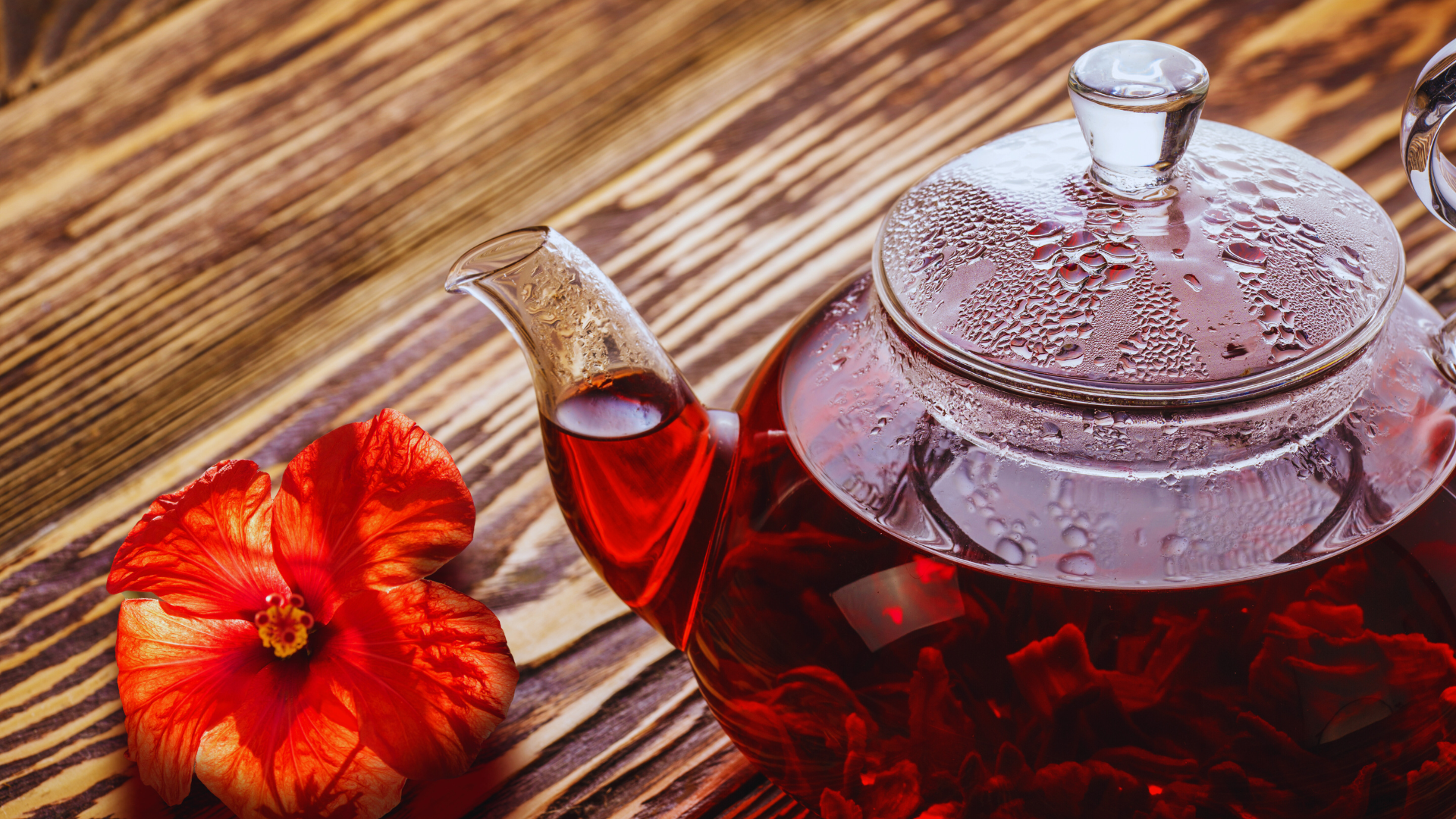
Hibiscus tea, with its eye-catching ruby-red hue and signature sharp, tart flavor evoking fresh cranberries with a floral edge, has long been cherished as a refreshing, caffeine-free beverage in tropical traditions—from zobo in West Africa to agua de jamaica in Mexico. Brewed from the dried calyces of Hibiscus sabdariffa (roselle), this vibrant infusion packs a punch of bioactive compounds: anthocyanins (responsible for its color), polyphenols, flavonoids, and organic acids. These elements contribute to its growing reputation as a natural supporter of lipid health, particularly in managing cholesterol and triglycerides to promote cardiovascular wellness.
Elevated LDL (“bad”) cholesterol, high triglycerides, and suboptimal HDL (“good”) cholesterol contribute to plaque buildup in arteries, raising risks for heart disease and stroke. While diet, exercise, and medications form the foundation of cholesterol management, hibiscus tea offers a flavorful, plant-based complement. Research—spanning animal models, clinical trials, and meta-analyses—suggests hibiscus may lower LDL and total cholesterol, reduce triglycerides, and in some cases support HDL levels through mechanisms like enzyme inhibition and antioxidant protection. This article dives into the evidence, highlighting key studies on blood fat improvements, realistic expectations, and practical ways to incorporate this heart-friendly sip.
As always, hibiscus tea supports—not replaces—medical guidance; consult a healthcare provider before regular use, especially if on statins, blood pressure meds, or managing dyslipidemia.
Mechanisms: How Hibiscus Influences Lipid Metabolism
Hibiscus tea’s lipid-modulating effects stem from its phytochemical richness. Anthocyanins and polyphenols act as antioxidants, preventing LDL oxidation—a key step in atherosclerosis. Organic acids may inhibit HMG-CoA reductase (similar to statins, though milder) or interfere with triglyceride synthesis. Additional pathways include enhanced bile acid excretion, reduced intestinal cholesterol absorption, and improved liver lipid handling.
Animal studies consistently show hibiscus extracts lower total cholesterol, LDL, and triglycerides while sometimes raising HDL in high-fat diet models. Human evidence, while more variable, supports modest but meaningful improvements, particularly in those with elevated baselines or metabolic conditions.
Evidence on LDL Reduction: Targeting “Bad” Cholesterol
LDL cholesterol draws significant attention in hibiscus research, with several meta-analyses and trials showing favorable reductions.
A 2022 systematic review and meta-analysis of randomized controlled trials found hibiscus significantly lowered LDL by an average of 6.76 mg/dL compared to placebo or other teas, with stronger effects in longer durations (>4 weeks) and higher doses (>500 mg equivalent). This reduction aligns with clinical relevance, as even small drops (5-10 mg/dL) contribute to cardiovascular risk reduction.
In a randomized crossover study of hypercholesterolemic patients, aqueous hibiscus extract (capsule form) for one month reduced total cholesterol and LDL significantly. Volunteers taking higher doses (1000 mg three times daily) saw serum cholesterol decreases of 8.3%–14.4%.
A 2024 clinical trial in prehypertensive patients using hibiscus aqueous extract reported substantial LDL drops alongside total cholesterol reductions. Mean differences were clinically notable, with paired t-tests confirming significance (p<0.001).
Meta-analyses often note LDL as the most consistently lowered parameter, with hibiscus outperforming placebo in subgroup analyses. Mechanisms likely involve inhibited cholesterol synthesis and enhanced clearance.
Improvements in Triglycerides: Addressing Another Key Risk Factor
High triglycerides contribute to atherogenic dyslipidemia, especially in metabolic syndrome. Hibiscus shows promise here too.
A 2009 randomized trial in type 2 diabetes patients found hibiscus tea (sour tea) significantly decreased triglycerides alongside total cholesterol and LDL, while increasing HDL. Changes were statistically robust (p=0.002 for HDL; significant for triglycerides).
In obese adolescents, hibiscus yielded modest but beneficial triglyceride reductions. Meta-analyses report trends toward lower triglycerides (e.g., -10.31% from baseline in some pooled data), though not always reaching significance across all studies due to heterogeneity.
A recent overview of reviews (updated dose-response meta-analysis) confirmed hibiscus improves lipid profiles, including triglyceride reductions in cardiometabolic contexts. Effects appear dose-dependent, with consistent intake amplifying benefits.
HDL and Total Cholesterol: Mixed but Promising Signals
HDL (“good” cholesterol) clears excess lipids from arteries; boosting it supports heart health.
Some trials show hibiscus increases HDL significantly—in one diabetes study, mean HDL rose notably. Pooled data from meta-analyses indicate non-significant but positive trends (+11.14% in certain baselines), with subgroup benefits in specific populations.
Total cholesterol often decreases modestly (e.g., -3.5% to -7 mg/dL in meta-analyses), with stronger effects versus other teas or in longer interventions. A 2025 review reinforced hibiscus’s beneficial impacts on overall lipid profiles.
While not all changes reach statistical significance in every analysis (due to study variability), cumulative evidence supports favorable shifts, especially in those with dyslipidemia.
Overall Lipid Profile Benefits: Heart-Friendly Sipping
Hibiscus tea contributes to improved lipid balance, particularly in metabolic syndrome, diabetes, or prehypertension—conditions tied to poor lipid profiles. Reductions in LDL and triglycerides, alongside potential HDL support, align with reduced atherosclerosis risk.
A 2023 meta-analysis on combinations with other extracts noted significant total cholesterol and LDL decreases. Broader reviews highlight hibiscus’s role in cardiometabolic health, with lipid improvements complementing its well-documented blood pressure benefits.
Effects are typically modest—comparable to dietary tweaks—and strongest with consistent use (4+ weeks, 2-3 cups daily). Hibiscus shines as a low-risk, enjoyable adjunct.
Practical Incorporation: Making Hibiscus Tea Part of Heart-Healthy Habits
Daily Goal: 2-3 cups (480-720 mL) unsweetened or lightly sweetened.
Brewing Basics: Steep 1-2 tsp dried calyces in boiling water 5-10 minutes. Hot for cozy mornings; iced for refreshment.
Tips for Lipid Support: Consume post-meals to aid fat metabolism; pair with fiber-rich foods (oats, fruits) and healthy fats (avocados, nuts). Add lemon for vitamin C synergy or ginger for extra anti-inflammatory perks.
Variations: Cold-brew overnight for smoother taste; blend with green tea for combined antioxidant benefits (watch caffeine).
Monitoring: Track lipid panels with your doctor after 4-8 weeks of consistent use.
Safety Note: Generally safe; mild GI upset possible in excess. Avoid if low BP or on interacting meds without guidance.
Conclusion
Hibiscus tea offers natural, evidence-backed support for cholesterol management—lowering LDL and triglycerides, with potential HDL boosts—through its potent phytochemicals. Studies show meaningful improvements in lipid profiles, making it a heart-friendly sip. Embrace its tart vibrancy as part of balanced wellness for sustained benefits.
