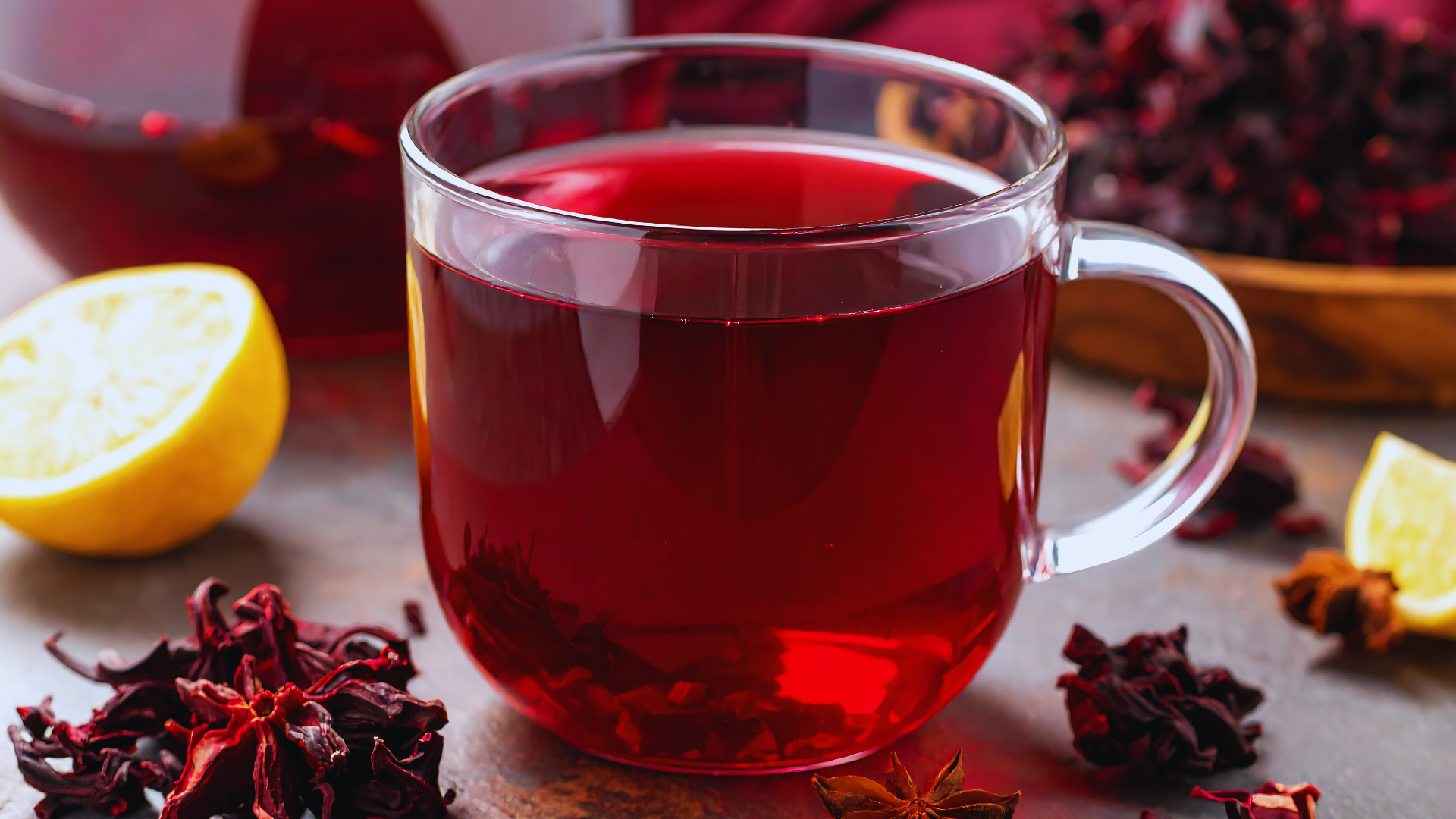
Hibiscus tea, with its brilliant crimson infusion and signature tart, cranberry-esque tang, has enchanted palates for centuries across tropical regions—from the zobo of West Africa to the agua de jamaica of Mexico. Brewed from the dried calyces of Hibiscus sabdariffa (roselle), this caffeine-free herbal tisane offers more than sensory delight; it provides gentle support for digestive wellness. In an era where bloating, irregularity, and sluggish digestion plague many due to processed foods, stress, and sedentary lifestyles, hibiscus tea emerges as a natural ally—mildly laxative, diuretic, and soothing to the gut.
Traditional use praises hibiscus for easing stomach discomfort, promoting bowel regularity, and reducing fluid retention that contributes to bloating. Modern insights reveal that its fruit acids may act as a gentle laxative, while polyphenols and flavonoids offer anti-inflammatory benefits that calm irritated digestive tissues. Though human clinical trials specifically targeting digestion remain limited—often overshadowed by cardiovascular research—the available evidence from animal models, in vitro studies, and traditional applications suggests hibiscus aids mild constipation, gas relief, and overall gut comfort without the harshness of stimulant laxatives.
This article delves into hibiscus tea’s digestive mechanisms, focusing on its mild laxative properties for regularity, soothing effects against bloating and irritation, and its role in fostering healthy digestion. We’ll explore practical ways to incorporate it into daily routines.
As a supportive beverage, hibiscus complements fiber-rich diets and hydration—consult a healthcare provider for persistent digestive issues, IBS, or if on medications, as excessive intake may cause mild upset.
Understanding Digestive Wellness: Bloating, Regularity, and Gut Balance
Digestive wellness hinges on smooth transit, balanced gut flora, and minimal inflammation. Bloating often stems from gas buildup, water retention, or slow motility; irregularity (constipation) arises from low fiber, dehydration, or sluggish peristalsis. The gut lining faces daily stress from diet and microbes—antioxidants and anti-inflammatory agents help protect it.
Hibiscus tea contributes gently: its organic acids (citric, malic, hibiscus acid) stimulate mild peristalsis and act as a natural diuretic to reduce fluid-related bloating. Polyphenols combat oxidative stress and inflammation in the gastrointestinal tract, while mild laxative effects promote regularity without dependency.
Mild Laxative Effects: Promoting Regularity Naturally
Hibiscus tea’s fruit acids may exert a mild laxative action, stimulating intestinal movement and easing occasional constipation. Traditional medicine in Africa and Asia has long used hibiscus infusions as a gentle bowel regulator.
Sources like WebMD and RxList note hibiscus fruit acids work like a laxative, increasing stool softness and frequency. Animal and in vitro data support this—hibiscus stimulates peristalsis and reduces intestinal spasms. In human contexts, anecdotal and traditional evidence links regular consumption to improved bowel habits, especially when paired with hydration.
Unlike harsh stimulants (senna), hibiscus offers subtle support—ideal for mild irregularity without cramping. Its diuretic nature flushes excess sodium/water, preventing retention that hardens stools. Reviews highlight potential for occasional constipation relief, though large RCTs are sparse.
For those with sluggish digestion, 1-2 cups post-meals may encourage gentle movement. Start low to assess tolerance—overuse risks loose stools.
Gut Soothing: Reducing Bloating and Inflammation
Bloating often involves gas, spasms, or fluid retention—hibiscus addresses these via anti-inflammatory and diuretic properties.
Polyphenols (anthocyanins, flavonoids) reduce gut inflammation by inhibiting cytokines and oxidative stress. A 2024 perspective notes hibiscus supports digestion by calming irritation and reducing gas. Diuretic flavonoids eliminate excess fluid, easing abdominal distension.
Traditional uses include relief from indigestion, heartburn, spasms, and gas—fruit acids may relax smooth muscles. In vitro evidence shows antimicrobial activity against pathogens causing cramping/diarrhea, supporting microbiome balance.
Human reports and reviews suggest hibiscus soothes post-meal discomfort, reducing bloating via fluid reduction and mild antispasmodic effects. Unlike peppermint (a direct relaxant), hibiscus works systemically.
Promoting Healthy Digestion: Fiber, Hydration, and More
Hibiscus aids digestion holistically: high fiber in calyces (when consumed) enhances transit; as tea, it hydrates and stimulates saliva/bile.
Diuretic effects support kidney/liver function, indirectly aiding detox and reducing toxin-related sluggishness. Antioxidants protect gut lining from damage.
Some evidence suggests prebiotic-like modulation of microbiota, though more research is needed. Low-calorie, unsweetened hibiscus replaces bloating culprits like soda.
Practical Ways to Incorporate Hibiscus Tea for Digestive Support
Aim for 1-3 cups daily, unsweetened or lightly sweetened.
Basic Brew: Steep 1-2 tsp dried calyces in boiling water 5-10 minutes. Strain; sip hot post-meals or iced afternoons.
For Bloating Relief: After heavy meals, add lemon (vitamin C aids absorption) or ginger (synergistic anti-inflammatory).
For Regularity: Morning cup with breakfast; evening for gentle overnight support. Pair with fiber (fruits, veggies) and water.
Variations: Mint blend for extra soothing; cold-brew for smooth hydration.
Tips: Organic calyces; monitor response—discontinue if upset occurs.
Safety and Considerations
Generally safe, moderately; mild side effects include gas, bloating, or constipation in excess (paradoxical from dehydration). Avoid high doses if prone to loose stools. Consult for pregnancy, low BP, or meds.
Conclusion
Hibiscus tea offers gentle digestive wellness through mild laxative action for regularity, soothing anti-inflammatory effects against bloating, and overall support for gut comfort. Its tart vibrancy makes incorporation enjoyable. Embrace it thoughtfully for balanced digestion and vitality.
