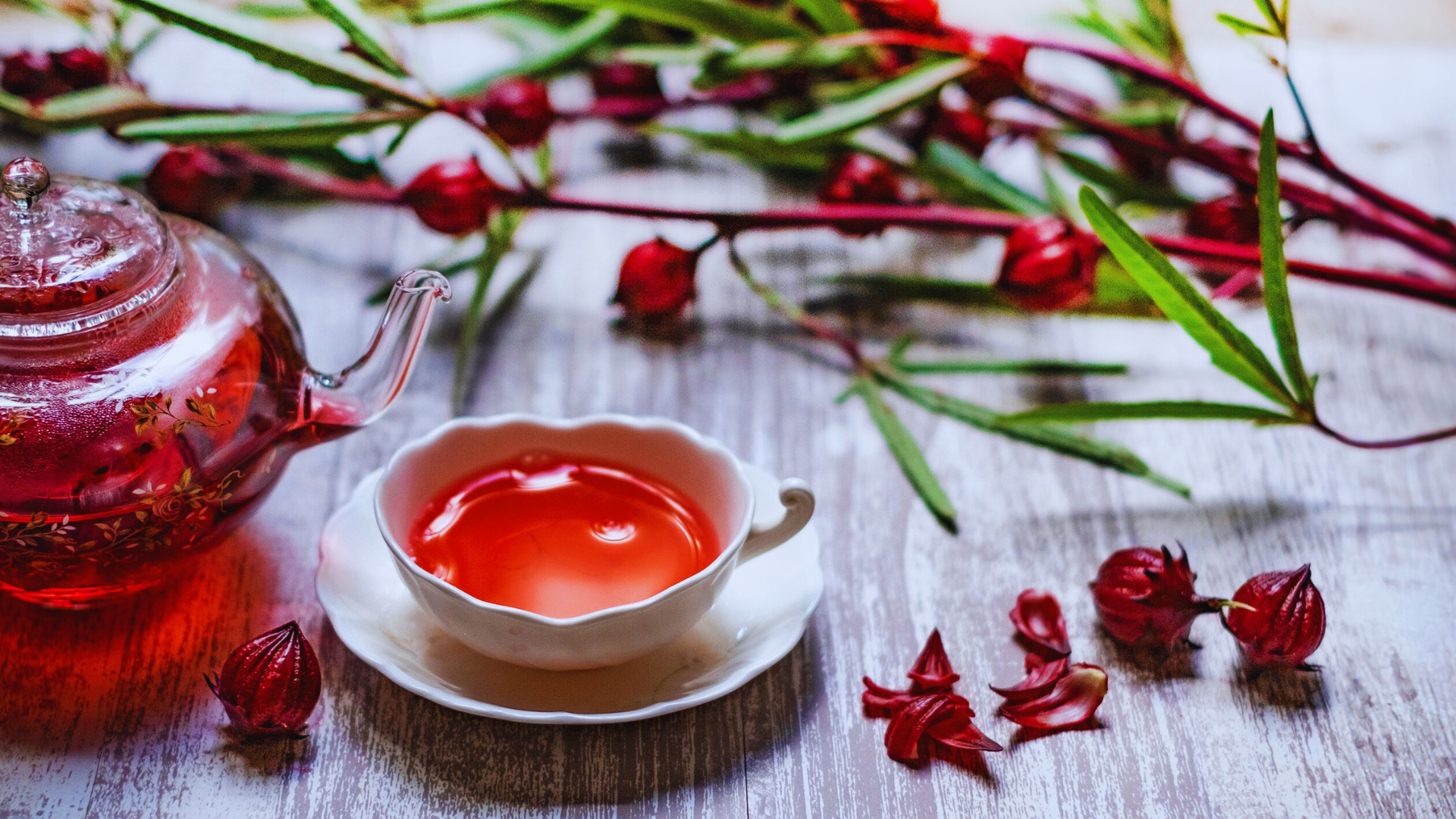
Hibiscus tea, with its vivid ruby-red hue and sharp, cranberry-like tartness, has long been a refreshing staple in tropical cultures—from Mexico’s agua de jamaica to West Africa’s zobo drink. Brewed from the dried calyces of Hibiscus sabdariffa (roselle), this caffeine-free herbal infusion delivers a zesty punch packed with anthocyanins, polyphenols, organic acids, and flavonoids. In recent years, it has gained traction among wellness seekers for its potential role in weight management, sparking interest in whether it truly aids fat burning, curbs appetite, or revs metabolism.
Obesity remains a global challenge, driving risks for diabetes, heart disease, and metabolic issues. While no beverage replaces a balanced diet and exercise, hibiscus tea emerges in research as a supportive ally. Animal models and some human trials suggest mechanisms like inhibiting fat absorption, modulating lipid metabolism, and influencing satiety signals. Yet evidence varies—promising in preclinical work but often modest or inconsistent in people. This article examines the science behind hibiscus tea’s weight loss claims, focusing on fat-blocking potential, appetite effects, metabolic boosts, and practical ways to incorporate it realistically.
As always, view it as a complement to lifestyle changes—consult a healthcare provider before major shifts, especially with medications or conditions like low blood pressure.
The Science: Hibiscus Tea’s Potential Mechanisms for Weight Management
Hibiscus tea’s bioactive compounds drive its proposed anti-obesity effects. Anthocyanins and polyphenols act as antioxidants, combating oxidative stress linked to fat accumulation. Organic acids, including hibiscus acid, may inhibit enzymes like pancreatic lipase (fat-digesting) and α-amylase (starch-breaking), potentially reducing calorie absorption from fats and carbs.
In vitro and animal studies show hibiscus extracts block lipase more effectively than many plants, increasing fecal fat excretion in rodents and hamsters fed high-fat diets. This “fat-blocking” mimics orlistat but naturally. Hibiscus also downregulates adipogenesis genes (e.g., PPARγ, C/EBPα), shrinking fat cell size and preventing new ones in cell models.
Metabolic boosts appear via AMPK activation—a cellular energy sensor promoting fat oxidation and glucose uptake. Some blends (hibiscus with lemon verbena) enhance thermogenesis and fat use post-meal. In mice, hibiscus reduced body weight, visceral fat, and liver steatosis on high-fat diets, improving insulin sensitivity.
Human evidence is emerging but limited. A key 2014 trial gave obese adults hibiscus extract (equivalent to concentrated tea) for 12 weeks: treated participants lost more body weight, BMI, body fat percentage, and waist-to-hip ratio than placebo, with lowered serum free fatty acids and improved liver fat. Other small studies note modest reductions in waist circumference and fat mass, especially when combined with diet.
Meta-analyses offer nuance. A 2024 review of RCTs found no significant clinical benefit for weight, BMI, or waist reduction versus controls—differences like -0.27 kg weight were negligible. Earlier reviews highlight modest effects (0.5–2 kg over 8–12 weeks) in extracts, often stronger in combos or specific populations.
Overall, hibiscus shows promise for supporting fat metabolism and modest loss, but results are inconsistent—stronger in animals/extracts than plain tea, and best alongside calorie control/exercise.
Fat-Blocking Potential: Inhibiting Absorption and Accumulation
Hibiscus’s lipase inhibition stands out. Test-tube screenings ranked it highly among plants for blocking fat-digesting enzymes, mirroring animal findings of increased fecal fat and reduced body fat on high-fat diets.
In humans, the 2014 study linked hibiscus extract to lower free fatty acids and better liver profiles—suggesting reduced fat uptake/storage. Polyphenols may also curb adipocyte differentiation, limiting new fat cell formation.
Realistically, effects are mild—far from “blocking” all dietary fat. Hibiscus won’t offset high-calorie meals but may slightly blunt absorption in balanced diets. No large trials confirm dramatic fat-blocking from tea alone; extracts (higher doses) show more promise.
Appetite Control: Does Hibiscus Curb Hunger?
Appetite modulation varies by gender and context. A crossover trial found hibiscus tea increased energy expenditure and reduced hunger/desire to eat in men, with greater satiety/fullness. Women showed increased post-meal fat oxidation but no appetite shift.
Blends (hibiscus + lemon verbena) modulate biomarkers: boosting GLP-1 (satiety hormone) and reducing ghrelin in overweight subjects, aiding portion control and cravings.
Hibiscus alone lacks strong direct appetite suppression—unlike peppermint or fiber-rich teas. Its mild diuretic effect reduces bloating/water retention for a “lighter” feeling, indirectly supporting control. No major trials show dramatic hunger reduction from plain hibiscus tea.
Metabolism Boost: Thermogenesis and Energy Expenditure
Hibiscus may enhance metabolism via AMPK activation, promoting fat oxidation. In one trial, men drinking hibiscus showed higher diet-induced thermogenesis (energy burn from food). Post-meal fat use increased in women.
Animal data links hibiscus to improved glucose/fat handling and thermogenesis. Human effects remain subtle—small energy expenditure bumps, not dramatic “boosts” like caffeine.
As a low-calorie, hydrating swap for sugary drinks, hibiscus aids calorie deficits indirectly, supporting metabolic health.
Realistic Incorporation: Making Hibiscus Tea Part of a Wellness Routine
Hibiscus tea fits easily into routines—aim for 2-3 cups daily (about 720 mL), unsweetened for best effects.
Brewing Basics: Steep 1-2 tsp dried calyces (or 1-2 bags) in boiling water 5-10 minutes. Hot for cozy mornings; iced for afternoons. Cold-brew overnight for smoother taste.
Timing Tips: Pre-meal for potential absorption/appetite benefits; post-meal for digestion/metabolic support. Replace calorie drinks to cut intake naturally.
Enhancements: Add lemon/ginger for flavor and synergy (citrus vitamin C aids absorption; ginger thermogenesis). Combine with lemon verbena for appetite perks.
Lifestyle Pairing: Pair with calorie-controlled meals, fiber/protein-rich foods, and 150+ minutes weekly exercise. Track progress via measurements/feelings over weeks.
Moderation & Safety: Limit to 3 cups to avoid stomach upset/low BP. Consult doctors if on meds (potentiates BP-lowering drugs) or pregnant (avoid due to emmenagogue concerns).
Additional Perks: Beyond Weight
Hibiscus supports blood pressure, cholesterol, liver health, and antioxidants—holistic wellness aids.
Conclusion
Hibiscus tea offers modest, science-supported support for weight management via fat-blocking hints, metabolic nudges, and occasional appetite effects—strongest in extracts/blends, milder as tea. It shines as a flavorful, hydrating addition to balanced routines, not a standalone solution. Embrace its tart vibrancy mindfully for sustainable progress.
