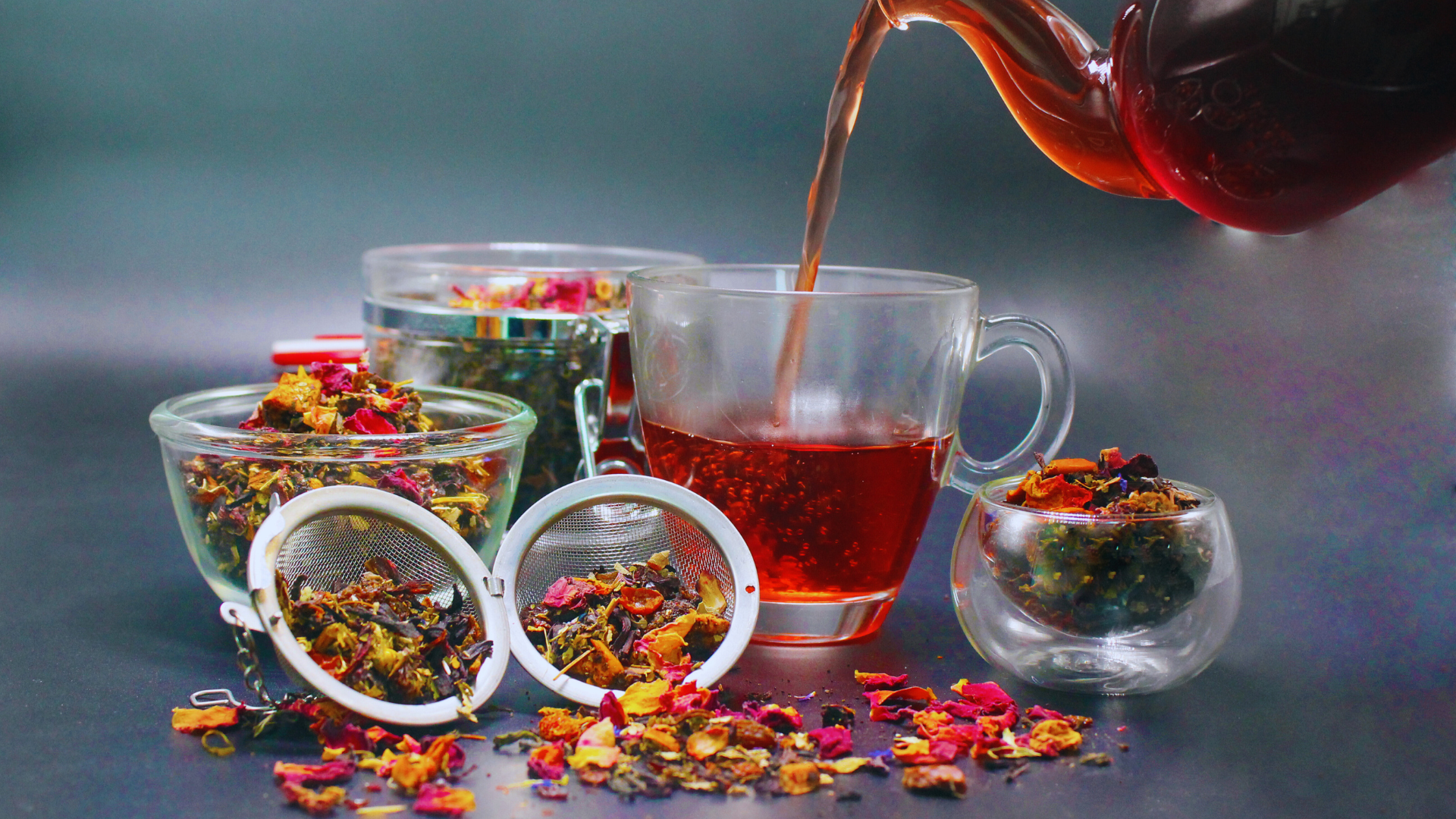
In the vibrant world of herbal and true teas, hibiscus and green tea stand as two powerhouse options, each offering distinct flavors and wellness profiles that appeal to different preferences and needs. Hibiscus tea, brewed from the dried calyces of Hibiscus sabdariffa (roselle), bursts with a bold, tart cranberry-like tang and a stunning ruby-red color that signals its rich anthocyanin content. Green tea, derived from the minimally processed leaves of Camellia sinensis, delivers a grassy, vegetal subtlety with a gentle bitterness and earthy depth, thanks to its signature catechins.
Both teas are celebrated for their antioxidant prowess, supporting everything from cellular protection to cardiovascular health. Yet they differ markedly: hibiscus is naturally caffeine-free and excels in targeted benefits like blood pressure reduction, while green tea provides a mild caffeine lift alongside broad-spectrum wellness effects. With ongoing research in 2025-2026 reinforcing their roles in daily health routines, this comparison explores antioxidants head-to-head, blood pressure support, vitamin C contributions, caffeine contrasts, and overall impact. Neither is universally “better”—the choice hinges on your goals, sensitivities, and taste.
As always, these are complementary aids; consult a healthcare provider for personalized advice, especially with conditions or medications.
Antioxidant Showdown: Anthocyanins vs Catechins
Antioxidants combat oxidative stress by neutralizing free radicals, reducing inflammation, and protecting against chronic disease. Both teas shine here, but their profiles vary.
Green tea’s strength lies in catechins—particularly epigallocatechin gallate (EGCG)—potent polyphenols comprising 20-45% of dry weight. EGCG excels at reducing inflammation, supporting metabolic health, and offering bioavailability for broad cellular defense. Studies highlight green tea’s role in combating oxidative damage linked to heart disease, neurodegeneration, and more.
Hibiscus counters with anthocyanins (like delphinidin-3-sambubioside) and flavonoids, delivering vivid color and strong radical-scavenging. Landmark comparisons of 280+ beverages rank brewed hibiscus tea highest in antioxidant content—often surpassing green tea—with ORAC values around 6,990 μmol TE/100g versus green tea’s 1,253-3,000 (matcha is higher but diluted in brew). Within an hour of consumption, hibiscus elevates bloodstream antioxidant power markedly.
Some sources note hibiscus edges out in raw capacity due to anthocyanins’ potency, while green tea’s catechins offer superior bioavailability and sustained effects. A 2025 review suggests green tea’s broader profile suits general wellness, but hibiscus leads in sheer ORAC for certain metrics. Both reduce oxidative stress effectively; hibiscus may excel in acute boosts, green in long-term protection.
Blood Pressure Support: Hibiscus Takes the Lead
Hypertension management highlights a clear winner: hibiscus tea demonstrates more consistent, robust reductions.
Meta-analyses show hibiscus lowers systolic blood pressure by 5-7 mmHg (sometimes more in elevated cases) and diastolic modestly, via diuretic effects, ACE inhibition, and vasodilation from anthocyanins. Trials confirm 2-3 cups daily rival low-dose medications like captopril in mild cases, with fewer side effects.
Green tea offers modest benefits—1-2 mmHg reductions—from catechins relaxing vessels and reducing inflammation. Results vary widely, often less pronounced than hibiscus.
A 2026 comparison notes hibiscus’s stronger, more reliable impact for elevated pressure, while green tea supports general heart health. For targeted BP control, hibiscus often prevails; green tea complements broader cardiovascular wellness.
Vitamin C Content: Hibiscus Provides a Notable Edge
Vitamin C bolsters immunity, collagen synthesis, and antioxidant recycling.
Hibiscus tea stands out with meaningful vitamin C—dried calyces contribute notable amounts per cup, aiding immune function and iron absorption. Sources highlight it as a key nutrient alongside potassium and trace minerals.
Green tea contains trace vitamin C, diminished by processing/brewing; its strength lies elsewhere in catechins.
Hibiscus offers a clearer vitamin C advantage for immune and connective tissue support.
Caffeine Levels: A Key Differentiator
Caffeine influences energy, focus, and tolerance.
Green tea contains 20-45 mg per cup—milder than coffee, providing gentle alertness with L-theanine for calm focus.
Hibiscus is completely caffeine-free—ideal for evenings, caffeine-sensitive individuals, or those avoiding stimulation.
Green tea suits morning boosts; hibiscus fits anytime without jitters or sleep disruption.
Overall Wellness Impact: Complementary Strengths
Both teas support heart health, but diverge:
- Green Tea: Broader benefits—metabolic support, cognitive clarity, potential cancer risk reduction, anti-inflammatory effects from EGCG. Aids weight management, brain function, and general longevity.
- Hibiscus Tea: Targets BP/cholesterol reduction, liver protection, mild weight aid, and antiviral hints from anthocyanins. Excels in cardiovascular specificity.
Green tea offers versatile wellness; hibiscus provides focused heart/liver perks. Both hydrate and replace sugary drinks.
Practical Tips: Incorporating Both
Brew hibiscus 5-10 minutes (hot/iced); green tea 1-3 minutes at 175-185°F to preserve catechins. Enjoy 2-3 cups daily. Blend for synergy—hibiscus iced with green tea base.
Conclusion
Hibiscus has higher antioxidant activity (per some ORAC) and BP support; green tea has a broader profile and mild energy. Both enhance wellness—rotate or combine for optimal benefits. Sip mindfully for vibrant health.
