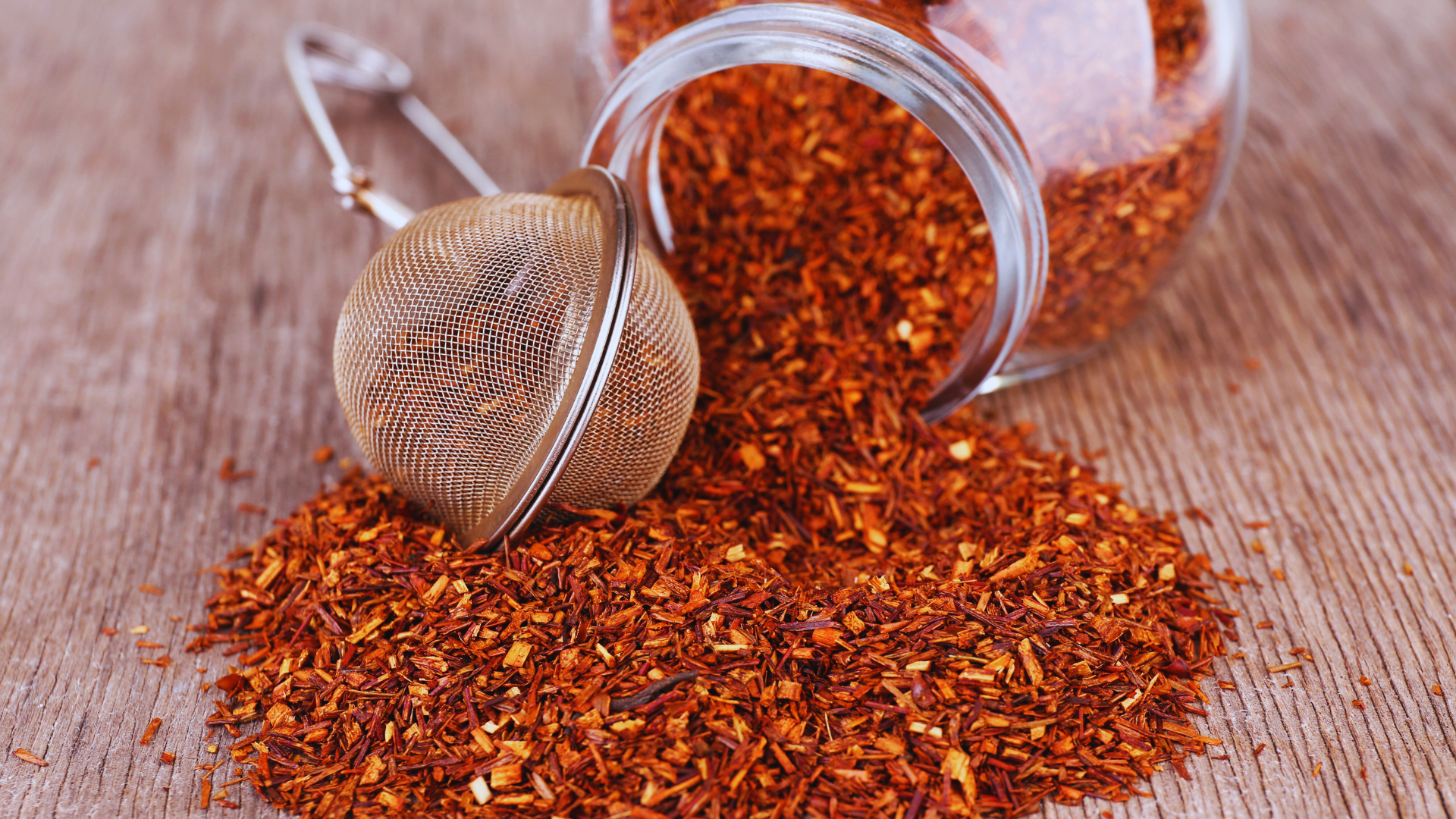
In the comforting world of naturally caffeine-free herbal teas, hibiscus and rooibos stand as two of the most vibrant and health-supportive options for daily sipping. Hibiscus tea, brewed from the dried calyces of Hibiscus sabdariffa (roselle), pours a brilliant ruby-red infusion with a bold, tart cranberry-like tang and subtle floral sweetness—refreshing, zesty, and instantly thirst-quenching. Rooibos tea, made from the fermented leaves and stems of Aspalathus linearis (red bush), yields a smooth, reddish-brown liquor with a naturally sweet, earthy, and slightly nutty flavor—mild, honeyed, and deeply soothing.
Both teas are celebrated for their rich antioxidant profiles, inflammation-reducing potential, and heart-friendly properties, making them popular choices in wellness routines focused on long-term cardiovascular health and overall vitality. Hibiscus shines with its high anthocyanin content and potent radical-scavenging power, while rooibos stands out for its unique polyphenols like aspalathin and nothofagin that combat oxidative stress without caffeine’s stimulation. With research in 2026 continuing to affirm their roles—hibiscus for impressive ORAC values and blood pressure support, rooibos for anti-inflammatory and metabolic benefits—this comparison explores antioxidant levels, inflammation reduction, hydration advantages, heart health impacts, and practical daily wellness support.
Neither is a standalone cure—effective heart health relies on a balanced diet, regular physical activity, and medical guidance—but both provide flavorful, evidence-informed contributions. Consult a healthcare provider before regular use, especially if you have concerns about blood pressure, cholesterol, or medications.
Antioxidant Levels: Anthocyanins vs Unique Polyphenols
Antioxidants neutralize free radicals, reduce oxidative stress, and support cellular protection—key for heart health, inflammation control, and aging gracefully.
Hibiscus Tea frequently ranks among the highest antioxidant beverages. Brewed hibiscus achieves exceptional ORAC (Oxygen Radical Absorbance Capacity) values—around 6,990 μmol TE/100g in many comparisons—often surpassing green tea and other infusions. The primary drivers are anthocyanins (delphinidin-3-sambubioside, cyanidin-3-sambubioside), which give the vivid red color, along with polyphenols like chlorogenic acid and quercetin. These compounds provide strong radical-scavenging, with studies showing rapid bloodstream antioxidant elevation within an hour of consumption. Hibiscus’s water-soluble antioxidants excel at acute protection and inflammation modulation.
Rooibos Tea delivers a robust, unique antioxidant profile with aspalathin (exclusive to rooibos), nothofagin, quercetin, and orientin. While ORAC values vary (typically lower than hibiscus in direct brewed comparisons), rooibos’s polyphenols offer high bioavailability and targeted protection—aspalathin and nothofagin combat oxidative stress effectively, with green (unfermented) rooibos showing even higher levels. Research highlights rooibos’s ability to elevate blood antioxidant status and reduce lipid peroxidation markers.
Head-to-Head: Hibiscus often leads in raw ORAC for brewed infusions due to anthocyanin density; rooibos provides a balanced, unique polyphenol mix with strong anti-inflammatory specificity. Both reduce oxidative stress linked to heart disease—hibiscus for broad radical capture, rooibos for metabolic and endothelial protection.
Inflammation Reduction: Calming Systemic and Vascular Stress
Chronic low-grade inflammation drives atherosclerosis, hypertension, and heart risks.
Hibiscus Tea exerts strong anti-inflammatory effects through anthocyanins and polyphenols that inhibit NF-κB, reduce pro-inflammatory cytokines (TNF-α, IL-6), and lower CRP levels in some trials. Animal models show reduced vascular inflammation and improved endothelial function. Human evidence links regular consumption to decreased systemic inflammation, supporting better circulation and reduced arterial stress.
Rooibos Tea counters inflammation via aspalathin and quercetin, which suppress NF-κB and cytokine production while protecting against oxidative damage. Studies demonstrate rooibos reduces inflammatory markers in metabolic syndrome models and improves redox status. Its anti-inflammatory action aids vascular health and may ease oxidative stress-related heart concerns.
Verdict for Inflammation: Both effective—hibiscus offers potent cytokine reduction and vascular benefits; rooibos provides targeted protection via unique flavonoids. They complement each other for comprehensive inflammation support.
Hydration Benefits: Refreshing Daily Intake
Proper hydration supports heart function, blood volume, and nutrient transport.
Hibiscus Tea excels as a hydrating beverage—its tart flavor encourages sipping, and mild diuretic effects promote fluid balance without excessive loss. High water content and electrolytes (potassium) aid cardiovascular stability, especially in hot weather or active lifestyles.
Rooibos Tea also promotes hydration with its naturally sweet, smooth taste that invites frequent consumption. Caffeine-free nature ensures no diuretic interference, and mineral content (magnesium, calcium) supports overall wellness.
Verdict for Hydration: Both excellent—hibiscus’s zesty profile may boost intake for some; rooibos’s mild sweetness encourages steady sipping.
Heart Health Impacts: Blood Pressure, Lipids, and Vascular Wellness
Hibiscus Tea demonstrates robust cardiovascular benefits. Meta-analyses show significant systolic blood pressure reductions (average 5–7 mmHg, up to 7.10 mmHg in pooled data), with greater effects in elevated baselines. It lowers LDL cholesterol (around 6–7 mg/dL) and triglycerides modestly while improving lipid profiles. Mechanisms include diuretic action, ACE inhibition, and vasodilation from anthocyanins—often comparable to low-dose medications in mild cases.
Rooibos Tea supports heart health through aspalathin and quercetin—reducing oxidative stress, improving lipid profiles, and lowering inflammation. Studies link rooibos to better blood pressure regulation, reduced LDL oxidation, and improved endothelial function. It may enhance redox status and protect against vascular damage.
Verdict for Heart Health: Hibiscus offers stronger, more consistent blood pressure and lipid-lowering evidence; rooibos provides solid antioxidant and anti-inflammatory vascular support. Both contribute meaningfully—hibiscus for targeted BP control, rooibos for metabolic resilience.
Practical Daily Wellness Support: Choosing for Your Routine
Hibiscus Tea — Ideal for: BP management, hydration-focused sipping, afternoon/evening refreshment, or tart flavor lovers. 2–3 cups daily; brew 5–10 minutes (iced with lemon, hot with honey).
Rooibos Tea — Best for: gentle antioxidant support, smooth daily hydration, mild sweetness seekers, or caffeine-free consistency. 2–3 cups daily; steep 5–7 minutes (hot or iced).
Blends — Combine for synergy—hibiscus-rooibos mix for tart-sweet balance and amplified antioxidants.
Tips — Organic sources; unsweetened preferred; monitor BP; pair with heart-healthy diet.
Safety and Considerations
Both are safe moderately; hibiscus may lower BP (monitor if low); rooibos is very well-tolerated.
Conclusion
Hibiscus and rooibos both shine as caffeine-free antioxidant powerhouses—hibiscus for vibrant tartness and strong BP/lipid support, rooibos for smooth sweetness and unique polyphenol protection. Both reduce inflammation and enhance wellness—choose hibiscus for targeted heart benefits, rooibos for gentle daily sipping, or blend for comprehensive support. Sip intentionally for sustained vitality.
