

Imagine powering through a morning workout or tackling a busy day, only to hit that mid-afternoon energy dip where your metabolism feels like it’s running on fumes. Or perhaps you’re monitoring your cholesterol numbers, wondering if there’s a natural way to nudge your body toward better balance without popping another pill. Enter hibiscus tea—that stunning, tart brew with its deep ruby hue, offering more than just a refreshing sip. Emerging research suggests that even acute consumption of this floral elixir, made from the dried calyces of the Hibiscus sabdariffa plant (also known as roselle), can influence gene expression tied to lipid metabolism, cholesterol pathways, and overall energy regulation. As someone who’s always on the lookout for science-backed tweaks to optimize daily vitality (hello, fellow wellness explorers!), I geeked out on the studies, and let’s just say, hibiscus might be the understated hero your metabolic toolkit needs.
Always consult with a healthcare professional before adding new supplements, teas, or dietary changes to your routine, especially if you have underlying health conditions, are pregnant, or are taking medications. Individual results may vary, and more research is needed to fully understand hibiscus’s effects on gene expression, metabolism, and cholesterol.
The Basics: How Gene Expression Ties Into Metabolism and Cholesterol
Gene expression is like the conductor of your body’s orchestra—it dictates how cells read and act on genetic instructions, influencing everything from energy production to fat storage. In metabolic pathways, genes regulate enzymes that break down carbs, fats, and proteins, while cholesterol pathways involve genes controlling synthesis, transport, and clearance of this vital (but often villainized) lipid. When out of whack—due to diet, stress, or genetics—upregulated genes might ramp up cholesterol production, leading to buildup in arteries, or dampen energy efficiency, causing fatigue and weight gain.
Hibiscus tea enters the scene with its powerhouse polyphenols, anthocyanins, flavonoids, and organic acids, which may interact with cellular signaling to tweak gene activity. Unlike long-term interventions, acute effects (from a single dose) highlight hibiscus’s quick-hit potential: Within hours, these compounds could dial down genes for lipid synthesis while boosting those for energy homeostasis, supporting better cholesterol balance and metabolic flow. This isn’t about drastic overhauls—it’s subtle shifts that could enhance workout recovery, curb cravings, or promote heart health over time.
The Power Players: Anthocyanins, Polyphenols, and Their Metabolic Magic
Hibiscus’s vibrant color and tangy bite come from anthocyanins like delphinidin-3-sambubioside and cyanidin-3-glucoside—antioxidants that cross into cells and influence gene regulators. These pigments may activate AMP-activated protein kinase (AMPK), a “master switch” for energy balance, which downregulates genes like fatty acid synthase (FASN) and sterol regulatory element-binding protein-1c (SREBP-1c)—key players in fat and cholesterol creation. By curbing these, hibiscus could reduce hepatic lipogenesis (fat production in the liver) and promote fatty acid oxidation, turning stored energy into usable fuel.
Polyphenols and flavonoids like quercetin amplify this: They may inhibit HMG-CoA reductase (the enzyme targeted by statins for cholesterol lowering) and upregulate liver X receptor alpha (LXRa), which enhances cholesterol efflux from cells. Organic acids add to the mix by modulating pH and enzyme activity, indirectly supporting metabolic genes. Together, these compounds create a symphony of regulation: Acute intake might suppress cholesterol synthesis genes while revving up those for mitochondrial function, where energy is produced efficiently.
In animal models, hibiscus extracts activate AMPK, leading to reduced expression of lipogenic genes and better lipid clearance. Human parallels suggest similar tweaks, making hibiscus a tasty tool for those eyeing metabolic health.
Emerging Research on Acute Effects: Quick Shifts in Gene Expression
The excitement peaks with studies on acute hibiscus consumption—effects seen within hours of sipping. A landmark 2015 trial in Food & Function explored polyphenols from Hibiscus sabdariffa in healthy males: Three hours post-ingestion, transcriptomics (gene expression analysis) in peripheral blood mononuclear cells revealed modifications in hundreds of genes tied to metabolic homeostasis. Key changes included downregulation of cholesterol synthesis and lipid transport genes, alongside improvements in energy pathways like the citric acid cycle.
Specifics? Genes for gluconeogenesis and glycolysis (sugar metabolism) were suppressed, while those for branched-chain amino acid oxidation and long-chain fatty acid breakdown ramped up—shifting the body toward efficient fat-burning for energy. Nutrient sensors like mechanistic target of rapamycin (mTOR) and AMPK showed altered activity: Downregulation of acetyl-CoA carboxylases (ACC1/ACC2), CREB-regulated transcription coactivator 2 (CRTC2), and ribosomal protein S6 kinase (S6K), with implications for reduced lipogenesis and better mitochondrial function.
Cholesterol-wise, the data hinted at suppressed synthesis genes, aligning with metabolomics showing decreased cortisol (a stress hormone linked to fat storage) and increased vasodilators—supporting overall metabolic flow. This acute snapshot suggests hibiscus polyphenols act fast, potentially mirroring peroxisome proliferator-activated receptor (PPAR) agonists that regulate lipid genes for better cholesterol handling.
Other acute insights: In a 2019 study, hibiscus extract improved postprandial vascular function and lipid markers, with gene-level hints from similar polyphenol work. Chronic studies echo this—hibiscus downregulates FASN, SREBP-1c, and HMG-CoA reductase via AMPK activation, reducing total cholesterol and triglycerides. For energy regulation, upregulated PPAR gamma coactivator-1 alpha (PGC-1α) boosts mitochondrial biogenesis, enhancing VO2 max and workout capacity.
While most research is small-scale or preclinical, the acute gene tweaks point to hibiscus as a quick metabolic modulator—ideal for post-meal support or pre-exercise priming.
Boosting Lipid Metabolism: Genes for Fat Breakdown and Storage
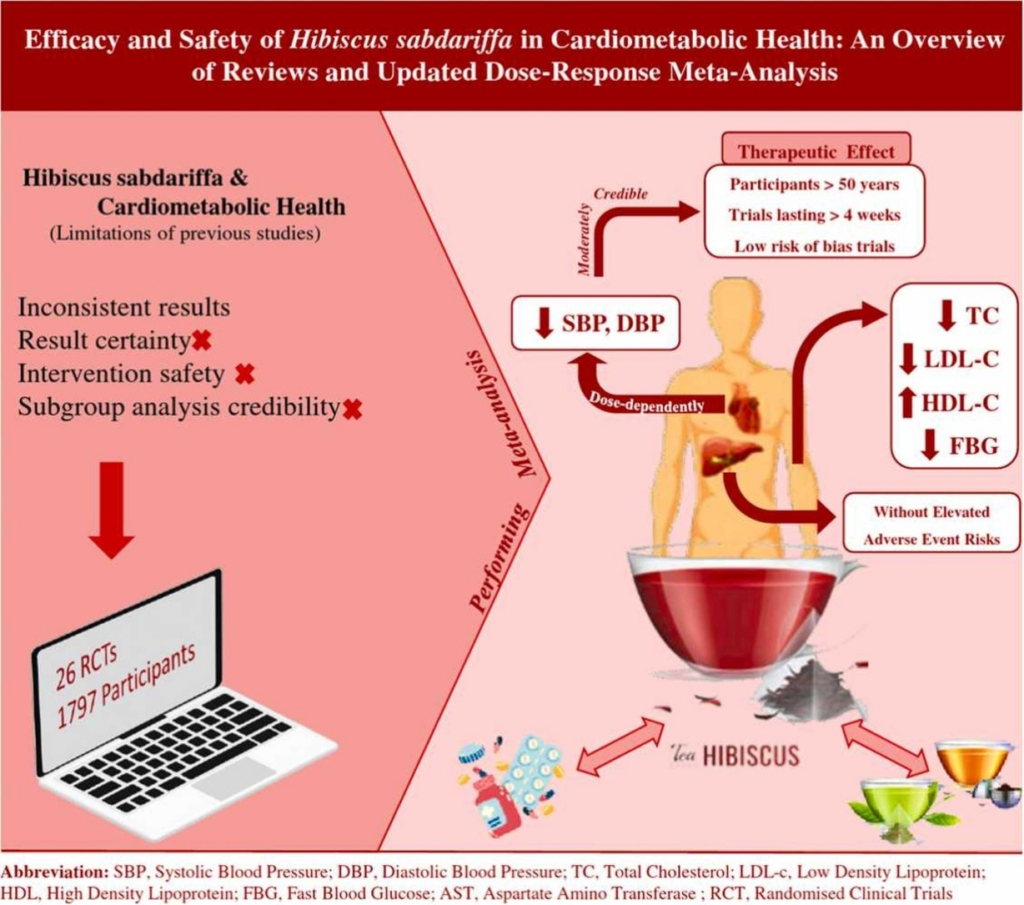
Lipid metabolism genes are prime targets: Hibiscus may suppress SREBP-1c, a transcription factor driving FASN and ACC expression—enzymes that build fatty acids and triglycerides. In hyperlipidemic models, hibiscus activates AMPK, phosphorylating and inactivating ACC, halting fat synthesis while promoting oxidation. This gene-level brake on lipogenesis could lower liver fat accumulation, easing metabolic syndrome risks.
Acute effects shine here: Three-hour post-hibiscus, metabolomics showed reduced intermediates in lipid synthesis pathways, with gene expression favoring fatty acid beta-oxidation—breaking down fats for energy rather than storage. For those with elevated lipids, this could mean better post-meal handling, preventing spikes that stress genes and vessels.
Cholesterol Pathway Changes: Downregulating Synthesis, Upregulating Clearance
Cholesterol genes get a makeover too: Hibiscus polyphenols may inhibit HMG-CoA reductase gene expression, the rate-limiting step in cholesterol production—mimicking statins but naturally. Upregulation of LXRa enhances ABCA1 and ABCG1 transporters, shuttling cholesterol out of cells for HDL formation and liver excretion.
In foam cell studies, hibiscus anthocyanins regulate CD36 gene expression, reducing oxidized LDL uptake that fuels plaque. Acute human data from the 2015 trial suggests these shifts happen fast, with gene networks pointing to lower cholesterol synthesis and better efflux—potentially dropping total cholesterol by 5-15% with regular use, per meta-analyses.
Energy Regulation: Genes for Mitochondrial Efficiency and Homeostasis
On energy, hibiscus influences AMPK and mTOR pathways: Acute intake downregulates mTOR effectors like S6K and 4EBP1, curbing protein synthesis tied to overgrowth, while activating AMPK revs mitochondrial genes like PGC-1α. This boosts citric acid cycle and oxidative phosphorylation genes, enhancing ATP production from fats and carbs—key for sustained energy without crashes.
Downregulated SGK1 reduces sodium retention and cortisol effects, supporting metabolic calm. Overall, these gene tweaks foster homeostasis: Better energy sensing prevents overeating signals and fatigue, aiding weight management and vitality.
Limitations and What’s Next in Research
Hibiscus’s gene effects are promising but emerging—most data from small human trials or animals, with acute focus limited to hours post-dose. Variability in brew strength, polyphenol content, and individual genetics means results aren’t universal. It’s no replacement for meds in severe cases, and more long-term RCTs are needed to confirm cholesterol gene downregulation and energy boosts.
How to Enjoy Hibiscus for Metabolic Wins
Incorporate 1-2 cups daily: Steep strong for polyphenol punch. Pair with meals for acute effects—mimicking study setups.
Flavor ideas: Hibiscus latte with almond milk (low-carb for metabolic support); iced with berries for antioxidant synergy; or blended into smoothies with greens.
As we wrap, hibiscus tea’s influence on metabolic and cholesterol genes offers exciting potential for energy regulation and lipid balance. Whether chasing better workouts or heart health, it’s worth a sip. Cheers to gene-smart living!
