
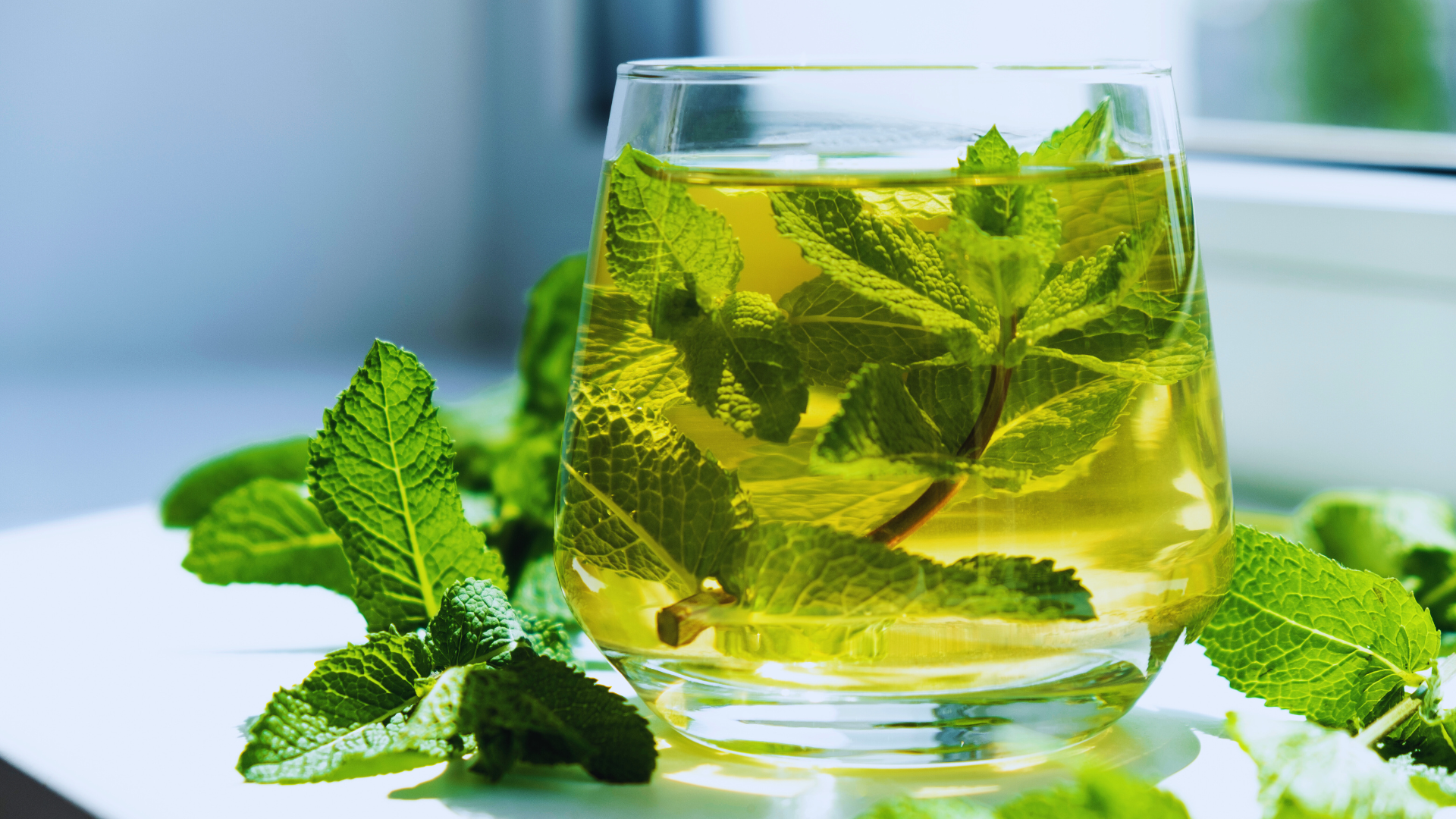
Mint tea, derived from the aromatic leaves of the Mentha genus, particularly peppermint (Mentha × piperita) and spearmint (Mentha spicata), stands as one of the most versatile and beloved herbal infusions worldwide. Caffeine-free and naturally refreshing, mint tea delivers a signature cooling sensation courtesy of menthol and other essential oils. Whether enjoyed steaming hot on a chilly evening or poured over ice on a sweltering afternoon, the temperature transforms both the experience and the benefits.
Hot mint tea offers warmth, steam-infused aroma, and a soothing ritual that promotes relaxation and digestion. In contrast, iced mint tea provides instant refreshment, hydration, and a crisp, invigorating burst ideal for cooling down. While core health advantages—such as supporting digestion, freshening breath, and easing tension—remain consistent regardless of temperature, subtle differences arise from how heat or cold interacts with the compounds and our bodies.
Historically, hot mint tea features prominently in traditions like Moroccan ceremonies (often with spearmint and green tea) for communal warmth and comfort. Iced versions gain popularity in warmer climates or summer routines, where the chill amplifies the menthol’s cooling effect. Modern research shows that brewing temperature influences flavor extraction, with hot water pulling more volatile oils for bolder aroma, while cold methods preserve subtler notes.
In this article, we’ll compare hot versus cold mint tea across flavor profiles, health benefits, preparation tips, and ideal scenarios. Whether you prefer peppermint’s bold menthol punch or spearmint’s gentle sweetness, understanding these differences helps you choose the perfect brew for any moment.
Flavor Profiles: How Temperature Changes the Taste
Temperature dramatically alters how mint tea tastes and feels on the palate. Hot brewing extracts essential oils more efficiently, releasing intense aromas and flavors that evolve with each sip.
Hot Mint Tea Flavor When served hot, peppermint delivers a sharp, spicy menthol kick with a pronounced cooling tingle that lingers. The heat volatilizes menthol, creating an invigorating steam that clears the sinuses and amplifies the brisk, almost peppery edge. Spearmint in hot form offers a milder, sweeter profile—fresh, herbal, and subtly fruity—without overwhelming intensity. The warmth softens any bitterness, resulting in a comforting, rounded cup that’s aromatic and soothing.
Cold Mint Tea Flavor Iced mint tea shifts toward crisp refreshment. The chill mutes volatile compounds slightly, making the menthol sensation more pronounced against the cold backdrop—creating an icy, tingly contrast that feels ultra-refreshing. Peppermint iced becomes bolder and more invigorating, with the cooling effect heightened, while spearmint iced tastes lighter, sweeter, and more delicate, like a gentle breeze. Cold brewing (steeping in cold water overnight) often yields smoother, less astringent results with preserved subtle sweetness.
Overall, hot emphasizes depth and aroma, while cold highlights clarity and crispness. Experiment with both to discover your preference—many find peppermint excels iced for maximum refreshment, and spearmint shines hot for gentle comfort.
Health Benefits: Shared and Temperature-Specific Advantages
Mint tea’s core benefits stem from menthol, rosmarinic acid, and other antioxidants, which support digestion, reduce inflammation, freshen breath, and promote relaxation. These remain largely consistent hot or cold, as studies indicate similar antioxidant retention in iced versus hot brews.
Shared Benefits
- Digestion Support — Menthol relaxes GI muscles, easing bloating, gas, and indigestion.
- Respiratory Relief — Clears congestion and soothes sore throats.
- Mental Clarity — Boosts alertness and focus without caffeine.
- Antioxidant and Anti-Inflammatory — Helps combat oxidative stress.
Hot Mint Tea Advantages The warmth and steam provide additional perks. Inhaling hot vapors opens nasal passages, enhancing decongestant effects during colds or allergies. The soothing heat relaxes muscles, aids digestion post-meal, and promotes calmness—ideal for stress relief or evening wind-down. Hot brewing extracts more compounds for potentially stronger effects on soothing upset stomachs or headaches.
Cold Mint Tea Advantages Iced mint tea excels in hydration and cooling. On hot days, it lowers perceived body temperature via menthol’s TRPM8 receptor activation, tricking the body into feeling cooler. It encourages higher intake for better fluid balance, and the chill amplifies refreshment without digestive heaviness. Cold versions suit post-exercise recovery or summer afternoons.
No major nutrient loss occurs with icing—antioxidants persist equally. Choose based on need: hot for comfort and aroma therapy, cold for invigoration and hydration.
When to Choose Hot Mint Tea
Opt for hot mint tea in cooler seasons, evenings, or when seeking comfort.
- Winter Evenings — A steaming cup soothes sore throats, clears sinuses, and relaxes after a long day.
- Post-Meal Digestion — Sip after dinner to ease bloating.
- Cold or Flu Season — Steam inhalation relieves congestion.
- Relaxation Rituals — Pairs with mindfulness for stress reduction.
Peppermint hot offers bold relief; spearmint provides gentler calm.
When to Choose Iced Mint Tea
Iced shines in warm weather, mornings, or active days.
- Summer Refreshment — Cools instantly on hot afternoons.
- Hydration Boost — Encourages drinking more fluids.
- Morning Pick-Me-Up — Crisp energy without caffeine.
- Post-Workout — Rehydrates and refreshes.
Peppermint iced maximizes cooling; spearmint iced feels lighter.
Brewing Tips for Hot and Cold Mint Tea
Hot Brewing Use 1-2 tsp dried leaves (or handful fresh) per cup. Steep in near-boiling water (200°F) for 5-7 minutes, covered, to capture volatiles. Strain and enjoy plain or with honey/lemon.
Cold Brewing Use double the leaves; steep in cold water 8-12 hours in the fridge for smooth flavor. Or brew hot concentrate, cool, and pour over ice.
Tips: Fresh leaves enhance vibrancy. Avoid over-steeping to prevent bitterness.
Blends and Variations for Both Temperatures
Hot Blends — Chamomile-mint for bedtime; ginger-mint for digestion.
Iced Blends — Lemon-mint spritzer; fruit-infused for summer.
Both suit additions like honey or citrus.
Conclusion: Embrace Both for Year-Round Enjoyment
Hot and cold mint tea offer complementary joys—hot for soothing warmth and aroma, iced for crisp refreshment. Core benefits endure, with temperature tailoring the experience to your needs and season. Brew a pot hot in winter or a pitcher iced in summer—mint tea adapts beautifully, delivering natural wellness in every sip.
