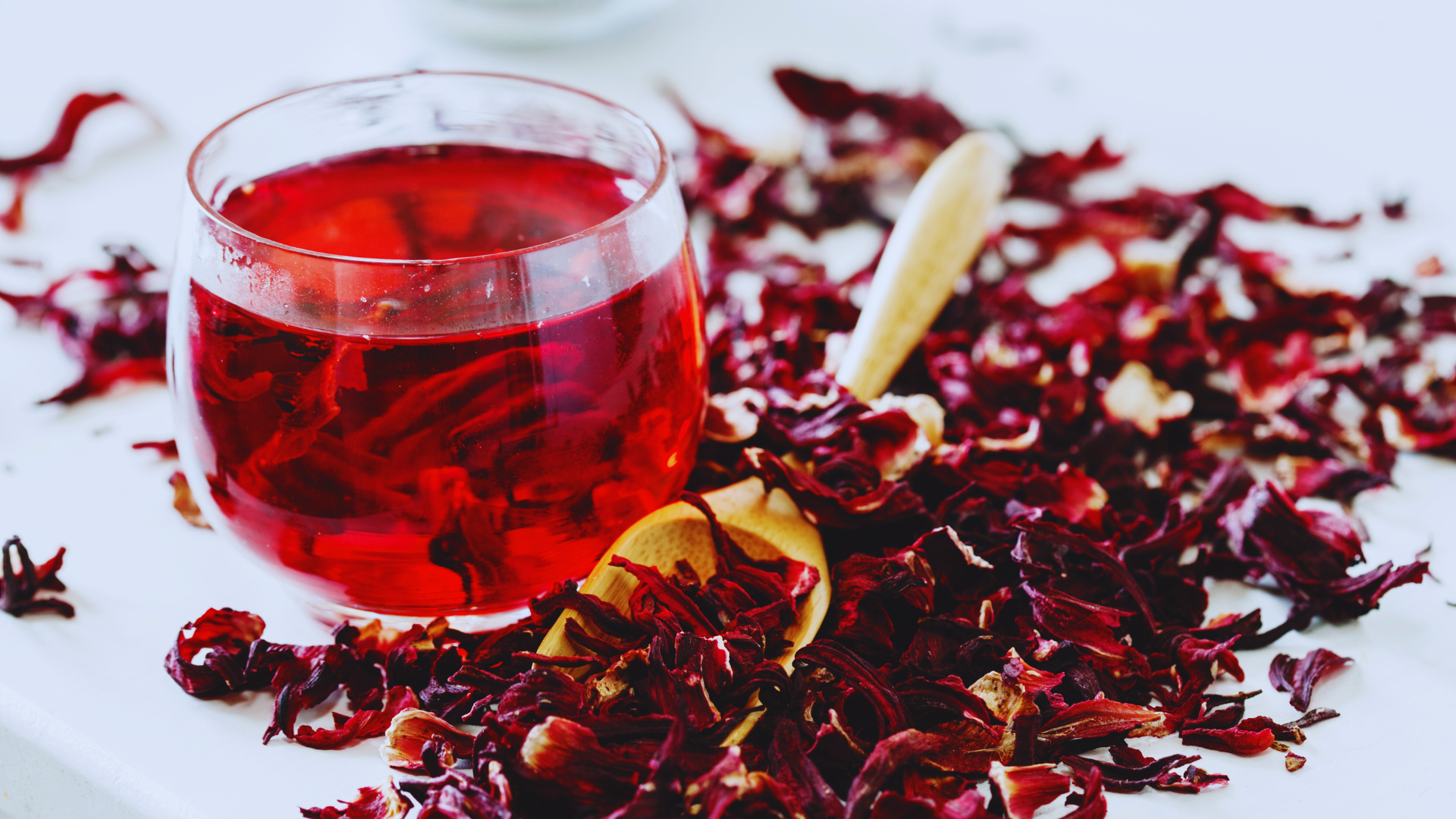
Hibiscus tea captivates with its brilliant ruby-red color and bold, tart flavor profile reminiscent of cranberry or pomegranate, yet distinctly floral and refreshing. Made from the dried calyces (sepals) of the Hibiscus sabdariffa plant—often called roselle or “flor de jamaica”—this caffeine-free herbal infusion has been enjoyed for generations in tropical regions, from Mexico’s agua de jamaica to Africa’s sorrel drink and the Caribbean’s Caribbean punch variations. Its vibrant hue comes from anthocyanins, the same pigments in berries, while its tangy punch stems from natural organic acids.
Beyond its eye-catching appearance and zesty taste, hibiscus tea offers potential wellness perks, including support for blood pressure management, antioxidant protection, and mild liver benefits, as highlighted in various studies. Brewing it at home is straightforward, requiring minimal equipment and ingredients. Whether you prefer a steaming hot mug on cooler days or a chilled pitcher for summer refreshment, mastering hibiscus tea unlocks endless customization through sweeteners, citrus, spices, and herbs.
This guide provides step-by-step instructions for both hot and iced versions using dried flowers, optimal steeping times to balance flavor without bitterness, sweetener options, and creative variations like lemon or ginger. With just a few minutes of prep, you’ll create a delicious, naturally vibrant drink.
Note: While generally safe, hibiscus can interact with certain medications or lower blood pressure—consult a healthcare provider if you have conditions or take prescriptions.
Understanding Hibiscus Tea: Ingredients and Sourcing Basics
The foundation of great hibiscus tea is high-quality dried calyces. These deep crimson, petal-like structures (not true petals) pack concentrated flavor and color. Look for organic, food-grade dried hibiscus flowers labeled “Hibiscus sabdariffa” or “roselle” at health food stores, international markets, or online. Avoid blends with added flavors initially to appreciate the pure taste.
Key indicators of quality: Bright, uniform red color without brown spots; whole or large pieces rather than dust; fresh, floral aroma without mustiness. Store in an airtight container away from light and heat for up to a year.
Basic tools needed: Kettle or pot for boiling water, teapot or heat-safe pitcher, fine-mesh strainer or infuser, measuring spoons/cups. Optional: French press for easy straining or mason jars for cold brew.
Water quality matters—filtered or spring water enhances clarity and taste, avoiding chlorine that can dull the vibrant hue.
Step-by-Step: Making Hot Hibiscus Tea
Hot hibiscus tea delivers comforting warmth with intensified tartness, perfect for cozy evenings or post-meal digestion aid.
Ingredients (for 1-2 servings):
- 1-2 tablespoons dried hibiscus calyces (adjust for strength; start with 1 tbsp for milder)
- 2 cups boiling water (filtered preferred)
- Sweetener to taste (honey, agave, maple syrup, or sugar)
- Optional: Lemon slice, fresh ginger, mint sprig
Steps:
- Boil fresh water to a full rolling boil (around 212°F/100°C) for optimal extraction of color and compounds.
- Place dried hibiscus in a teapot, infuser, or directly in a mug. Use a mesh infuser for easy removal.
- Pour boiling water over the flowers. Cover to trap volatiles and deepen color.
- Steep for 5-10 minutes. Shorter (5 minutes) yields brighter, tangier tea; longer (8-10 minutes) intensifies flavor but risks slight bitterness from tannins—taste midway and remove early if needed.
- Strain through a fine mesh into cups, pressing gently to extract liquid without squeezing bitterness.
- Sweeten while hot—honey dissolves best. Add a squeeze of fresh lemon for brightness or grated ginger for warmth.
- Garnish with lemon wheel or mint. Sip and enjoy the ruby glow.
Pro tip: For single servings, use a tea ball or loose-leaf steeper. For larger batches, scale up proportionally.
Mastering Iced Hibiscus Tea: Refreshing and Versatile
Iced hibiscus tea shines as a hydrating, low-calorie summer staple—tart, cooling, and endlessly adaptable.
Two Methods: Hot-Brew Then Chill vs. Cold Brew
Hot-Brew Iced (Quick Method):
- Follow hot tea steps above, using ¼ cup dried hibiscus per 4 cups water for concentrated base.
- Steep 10-15 minutes for robust flavor.
- Strain, sweeten hot, then cool to room temperature.
- Refrigerate until chilled (2-4 hours) or pour over ice for instant serving.
- Dilute with cold water if too strong.
Cold Brew (Smoother, Less Bitter):
- Place ¼-½ cup dried hibiscus in a large jar or pitcher.
- Add 4-6 cups cold or room-temperature water.
- Stir, cover, and refrigerate 8-12 hours (overnight ideal).
- Strain well. The result is smoother, with muted acidity and vivid color.
- Sweeten post-brew to taste.
Cold brew minimizes over-extraction, yielding a cleaner profile perfect for sipping all day.
Sweeteners: Balancing the Natural Tartness
Hibiscus tea’s signature tang invites sweetness to round out flavors without overpowering.
- Honey: Floral notes complement hibiscus; add to warm tea for easy dissolution.
- Agave or Maple Syrup: Neutral or subtle sweetness; vegan-friendly and lower glycemic.
- Sugar (white, cane, or coconut): Classic choice; dissolve in hot liquid first.
- Stevia or Monk Fruit: Zero-calorie options for sugar-conscious drinkers.
- No Sweetener: Embrace pure tartness, especially in savory variations.
Start light—½-1 tablespoon per cup—then adjust. Sweeten before chilling to integrate fully.
Flavor Variations: Elevating with Lemon, Ginger, and More
Customize hibiscus tea endlessly for variety.
Lemon Hibiscus Tea:
- Add juice of ½-1 lemon per cup post-steep for citrus zing that brightens tartness.
- Garnish with fresh lemon slices and mint for visual appeal and aroma.
Ginger Hibiscus Tea:
- Slice 1-2 inches fresh ginger; add during steeping for spicy warmth.
- Grate for stronger kick. Pairs beautifully with honey for soothing effects.
Other Twists:
- Cinnamon Stick: Warm spice during brew for cozy depth.
- Mint Leaves: Fresh sprigs for cooling herbal note, especially iced.
- Lime or Orange: Tropical citrus swap.
- Sparkling Version: Top iced tea with club soda for fizzy refreshment.
- Herbal Blends: Combine with chamomile or lemongrass for layered profiles.
Experiment cautiously—start small to avoid overpowering the hibiscus base.
Tips for Perfect Results and Storage
- Avoid Over-Steeping: Beyond 15 minutes hot or 12 hours cold, bitterness increases.
- Color Intensity: Longer steep or more flowers yield deeper red; cold brew preserves vibrancy.
- Scaling: Double/triple for pitchers; store refrigerated up to 5 days.
- Reusing Flowers: Compost or second steep for weaker tea.
- Health Note: Enjoy 1-3 cups daily; monitor blood pressure if sensitive.
Conclusion
Making hibiscus tea at home is simple, rewarding, and endlessly customizable. From basic hot brews to chilled pitchers with lemon-ginger flair, this ruby elixir brings bold flavor and refreshment. Embrace the tart tang, play with variations, and savor the natural vibrancy in every sip.
