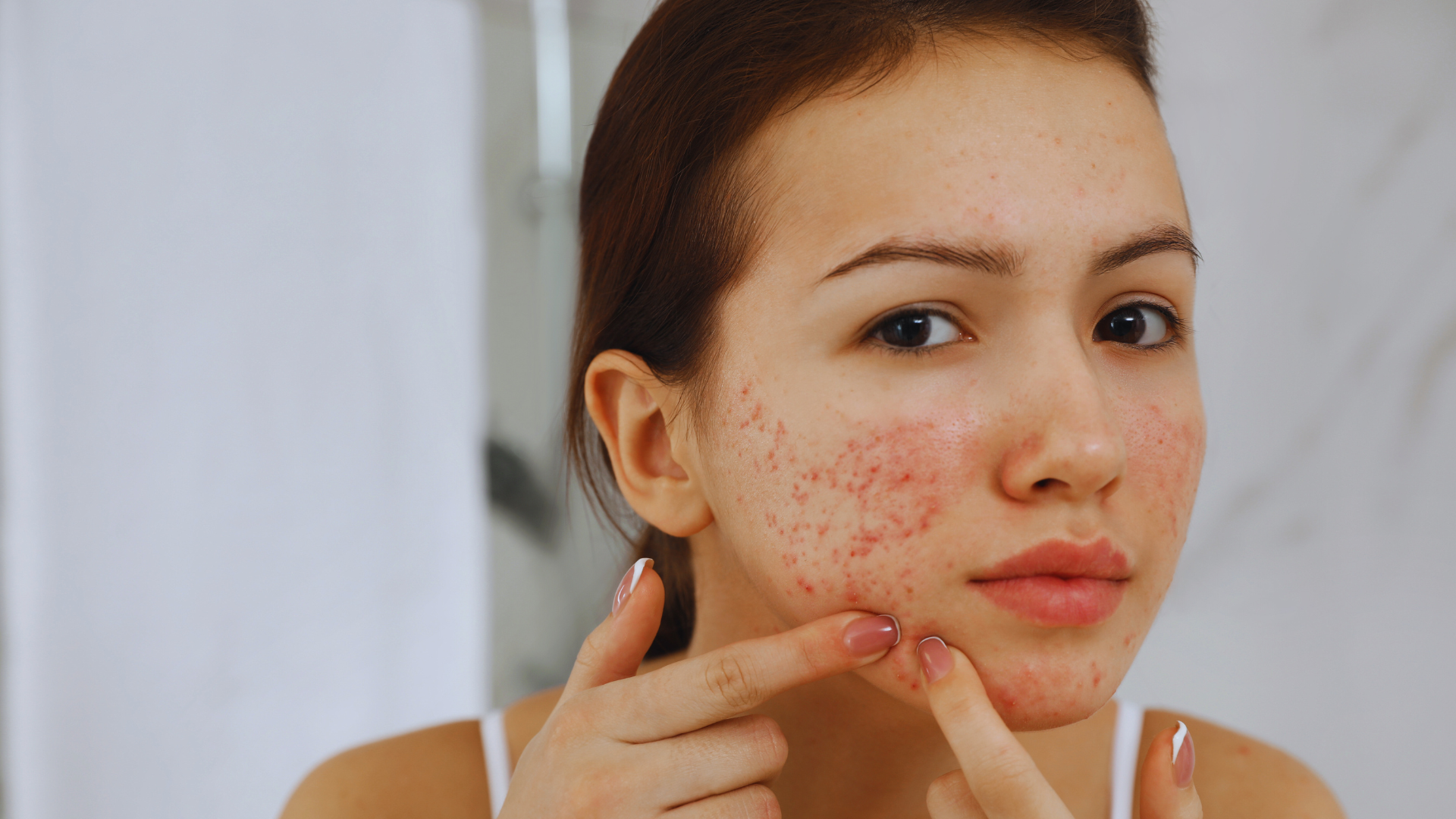
Acne is one of the most common skin conditions affecting people worldwide, from teenagers navigating puberty to adults dealing with hormonal fluctuations or stress-induced breakouts. Characterized by pimples, blackheads, whiteheads, and sometimes cysts, acne can be frustrating, painful, and detrimental to self-esteem. While over-the-counter treatments, prescription medications, and skincare routines dominate the market, many individuals are turning to natural remedies for gentler alternatives. Among these, herbal teas have gained popularity for their potential health benefits, and peppermint tea stands out as a refreshing option. But is peppermint tea good for acne? This article delves into the science, mechanisms, and practical applications of peppermint tea in acne management, drawing on factual insights to provide a balanced view.
Peppermint tea, derived from the leaves of the Mentha piperita plant, is a caffeine-free herbal infusion known for its minty flavor and soothing aroma. It’s been used for centuries in traditional medicine for digestive issues, headaches, and respiratory problems. In recent years, interest has surged in its potential skincare benefits, particularly for conditions like acne. Proponents claim that regular consumption can lead to clearer skin, but skepticism remains due to limited large-scale human studies. We’ll explore the active compounds in peppermint, how they might combat acne, supporting evidence, potential drawbacks, and ways to incorporate it into your routine. By the end, you’ll have a clearer understanding of whether this simple brew deserves a spot in your anti-acne arsenal.
Understanding Acne: The Root Causes
Before assessing peppermint tea’s role, it’s essential to grasp what causes acne. Acne vulgaris, the medical term for common acne, occurs when hair follicles become clogged with oil (sebum), dead skin cells, and bacteria, primarily Propionibacterium acnes (now known as Cutibacterium acnes). This blockage leads to inflammation, resulting in various lesions. Factors exacerbating acne include hormonal imbalances (e.g., excess androgens like testosterone), which stimulate sebum production; inflammation from diet or stress; bacterial overgrowth; and environmental irritants.
Hormonal acne, often seen in women with polycystic ovary syndrome (PCOS) or during menstrual cycles, is particularly stubborn. Androgens increase oiliness, clogging pores and fostering bacterial growth. Anti-inflammatory and antibacterial agents can help, but so can substances that modulate hormones. This is where peppermint tea enters the conversation, as it contains compounds that may address multiple acne triggers.
The Active Compounds in Peppermint Tea
Peppermint tea’s potential benefits stem from its rich phytochemical profile. The primary active ingredient is menthol, which imparts the cooling sensation and has anti-inflammatory, antibacterial, and analgesic properties. Other key components include menthone, limonene, and various flavonoids and phenolic acids, which act as antioxidants. These elements work synergistically to support overall health, including skin vitality.
Menthol, for instance, can soothe irritated skin by reducing redness and swelling. Antioxidants combat oxidative stress, a contributor to premature aging and acne exacerbation. Peppermint also contains vitamins like A and C, which are crucial for skin repair and collagen production. Vitamin A helps regulate cell turnover, preventing pore clogging, while vitamin C brightens skin and fights free radicals. Additionally, peppermint’s antimicrobial effects may inhibit acne-causing bacteria, and its ability to influence hormone levels could tackle root causes in hormonal acne.
When brewed as tea, these compounds are extracted into hot water, making them bioavailable through ingestion. Topical applications, like using cooled tea as a toner, can provide direct skin contact, but internal consumption is emphasized for systemic benefits.
How Peppermint Tea May Combat Acne
Let’s break down the mechanisms by which peppermint tea could improve acne:
- Anti-Inflammatory Effects: Inflammation is a hallmark of acne, turning minor blockages into red, swollen pimples. Menthol in peppermint tea has potent anti-inflammatory properties, potentially reducing cytokine production—the signaling molecules that amplify inflammation. By calming the skin’s immune response, peppermint may lessen the severity of breakouts and speed healing. For those with inflammatory acne, this could mean fewer painful cysts and quicker resolution of existing lesions.
- Antibacterial Properties: Acne bacteria thrive in oily environments, producing enzymes that irritate the skin. Peppermint’s menthol and other terpenes exhibit antibacterial activity, inhibiting bacterial growth without the harshness of synthetic antibiotics. This natural defense could prevent new pimples from forming, especially in oily or combination skin types.
- Hormonal Balancing: One of the most intriguing aspects is peppermint’s potential anti-androgen effects. Androgens like testosterone promote sebum production, leading to clogged pores. Studies suggest that peppermint tea can lower free testosterone levels while increasing follicle-stimulating hormone (FSH) and luteinizing hormone (LH), which regulate reproductive health. This hormonal modulation is particularly beneficial for hormonal acne, common in adults. By reducing androgen activity, peppermint may decrease oiliness and breakouts associated with PCOS or menstrual fluctuations.
- Antioxidant Protection: Free radicals from pollution, UV exposure, and diet can damage skin cells, worsening acne scars and promoting inflammation. Peppermint tea is loaded with antioxidants like rosmarinic acid and flavonoids, which neutralize these radicals. This protection supports skin barrier function, reducing vulnerability to acne triggers and aiding in scar fading for a smoother complexion.
- Improved Digestion and Detoxification: The gut-skin axis links digestive health to skin clarity. Poor digestion can lead to toxin buildup, manifesting as acne. Peppermint tea relaxes the gastrointestinal tract, easing bloating and enhancing nutrient absorption. Better digestion means reduced systemic inflammation, indirectly benefiting skin. As a hydrating beverage, it also flushes toxins, maintaining skin hydration essential for preventing dryness-induced oil overproduction.
- Oil Regulation and Soothing: For oily skin, peppermint may help balance sebum without stripping moisture. Its cooling effect soothes irritation from active breakouts, reducing redness and discomfort. Topical use amplifies this, providing immediate relief.
These mechanisms suggest peppermint tea could be a multifaceted ally against acne, addressing both symptoms and causes.
Scientific Evidence Supporting Peppermint Tea for Acne
While anecdotal reports abound—many users on forums like Reddit swear by mint teas for clearer skin—scientific evidence is emerging but not conclusive. Most research focuses on spearmint (Mentha spicata), a close relative, but studies on peppermint (Mentha piperita) show similar promise.
A key study published in Urology examined the effects of peppermint and spearmint teas on hormone levels in an experimental model. Researchers found that both teas significantly decreased plasma testosterone while elevating LH and FSH levels. This anti-androgen effect implies potential benefits for hormonal acne, as lower testosterone could reduce sebum production and pore clogging. Although conducted in a non-human model, the findings align with human observations and warrant further investigation.
Broader reviews on herbal teas for endocrine disorders support this. For instance, a meta-analysis in Frontiers in Endocrinology noted that certain teas, including mint varieties, may lower androgens in PCOS patients, a group prone to acne. While not specific to peppermint, the overlapping compounds suggest applicability.
On the skin health front, peppermint’s anti-inflammatory and antioxidant properties are well-documented. A Healthline overview of peppermint tea benefits highlights its role in reducing inflammation and supporting overall wellness, which extends to skin. Though it doesn’t directly address acne, the article cites studies on menthol’s soothing effects, implying indirect benefits for inflammatory skin conditions.
Clinical trials are sparse, but user experiences and preliminary research indicate 1-2 cups daily may yield noticeable improvements in 2-4 weeks. More rigorous human studies are needed to confirm dosage, efficacy, and long-term effects.
Practical Ways to Use Peppermint Tea for Acne
Incorporating peppermint tea is straightforward. Start with 1-2 cups daily, brewed from loose leaves or bags for 5-10 minutes. Organic varieties maximize benefits without pesticides. For acne, consistency is key—pair it with a balanced diet, hydration, and gentle skincare.
Topically, brew strong tea, cool it, and use as a toner with a cotton pad. Or apply used tea bags as compresses on pimples for 10-15 minutes. DIY masks mixing peppermint tea with honey or yogurt leverage antibacterial properties. Always patch-test to avoid irritation.
Combine with other acne fighters like salicylic acid or benzoyl peroxide, but consult a dermatologist if using prescriptions.
Potential Side Effects and Precautions
Peppermint tea is generally safe, but moderation is advised. Excessive intake may cause heartburn, especially in those with GERD, due to muscle relaxation in the esophagus. Allergic reactions are rare but possible—symptoms include rash or breathing issues. Pregnant women should limit consumption, as high doses might affect hormones.
For acne treatment, it’s not a standalone cure; severe cases require medical intervention. If breakouts worsen or persist, see a professional. Interactions with medications like cyclosporine or antacids are possible, so check with a doctor.
Beyond Acne: Other Skin Benefits of Peppermint Tea
Peppermint’s perks extend further. It fights premature aging by protecting against UV damage and boosting collagen. For eczema or rosacea, its soothing reduces flare-ups. Oil control benefits shiny complexions, while hydration prevents dryness. Overall, it promotes a radiant glow through detoxification and nutrient support.
Conclusion: A Sip Toward Clearer Skin?
Is peppermint tea good for acne? The evidence suggests yes, particularly for mild to moderate hormonal or inflammatory types, thanks to its anti-inflammatory, antibacterial, antioxidant, and hormone-balancing properties. While not a miracle cure, it offers a low-risk, enjoyable complement to traditional treatments. With studies showing hormonal modulation and user testimonials backing skin improvements, it’s worth trying. Remember, individual results vary—lifestyle factors play a role. Consult healthcare providers for personalized advice. For onotea.com readers, brewing a cup of peppermint might just be the refreshing step your skin needs.
