
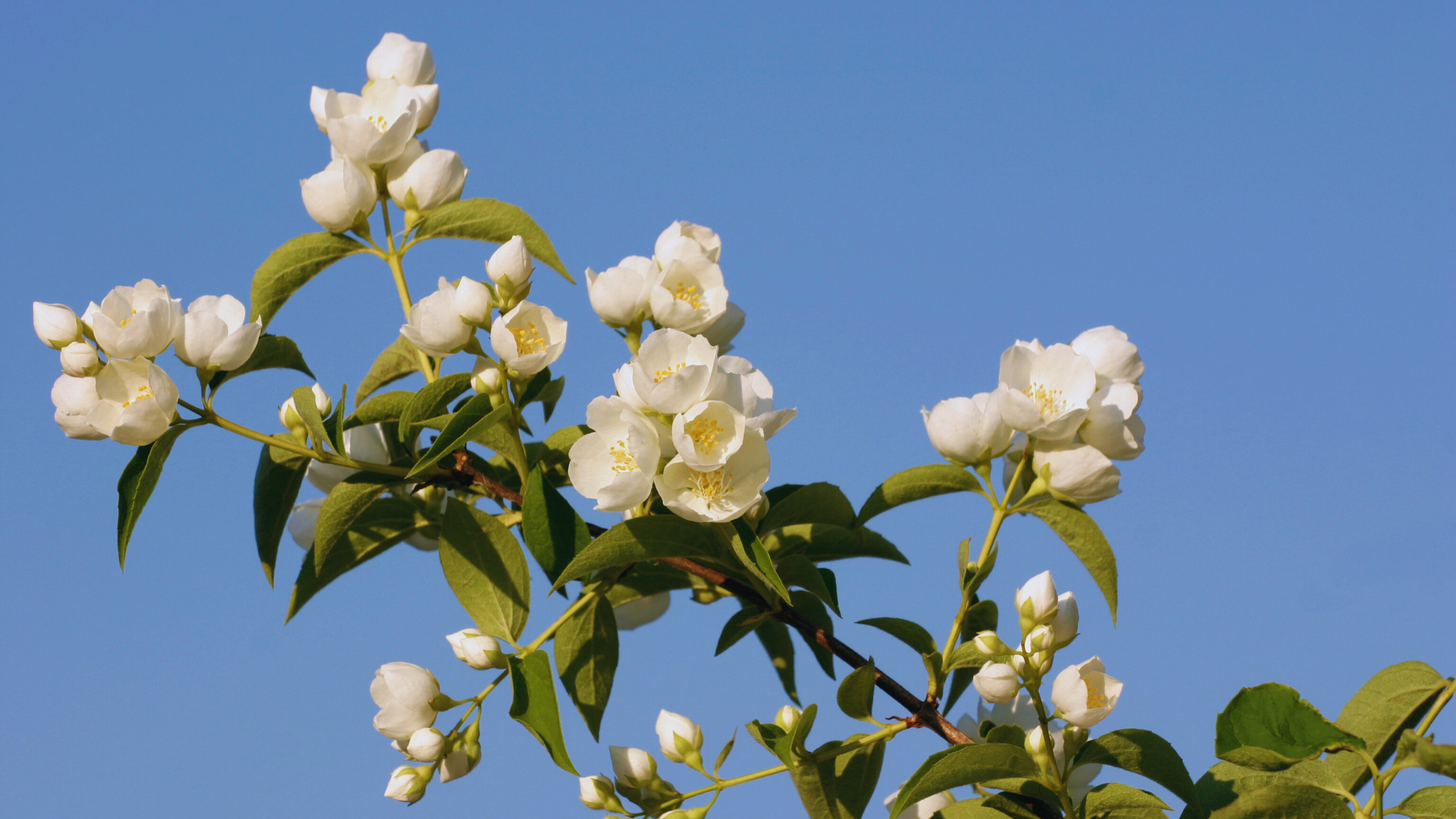
Jasmine tea, renowned for its delicate floral aroma and soothing flavor, represents a harmonious blend of nature’s bounty and human craftsmanship. This scented tea, typically made by infusing green tea leaves with the essence of jasmine flowers, has captivated tea enthusiasts for over a millennium. Originating in China during the Song Dynasty (960–1279 AD), the production process is a testament to seasonal rhythms, where the spring harvest of tea leaves meets the summer bloom of jasmine flowers. The journey from flower to cup is intricate, involving careful cultivation, timely harvesting, and meticulous scenting techniques that preserve the tea’s ethereal fragrance.
At the heart of jasmine tea production is the jasmine plant (Jasminum sambac), a night-blooming shrub whose flowers release their most potent aroma after dusk. Grown predominantly in subtropical regions like China’s Guangxi and Fujian provinces, these flowers are harvested during the hot summer months, aligning perfectly with the stored spring tea leaves. This seasonal synchronization ensures the tea absorbs the fresh, vibrant scent without artificial additives, resulting in a brew that evokes tranquility and elegance. The process not only highlights agricultural expertise but also cultural significance, as jasmine symbolizes purity and love in Chinese traditions.
This article details the seasonal process of growing and harvesting jasmine flowers for tea production, tracing each step from cultivation to the final cup. By exploring the environmental needs, harvesting methods, scenting rituals, and modern adaptations, we uncover the artistry behind this beloved beverage. As global demand rises—with the jasmine tea market projected to grow steadily—understanding this journey deepens appreciation for the labor and precision involved in every sip. Whether enjoyed hot or iced, jasmine tea’s path from bud to brew is a story of patience, nature, and sensory delight.
Cultivating the Jasmine Plant: Foundations of Growth
The foundation of jasmine tea lies in the cultivation of the jasmine plant, a process deeply attuned to seasonal cycles and environmental conditions. Jasminum sambac, commonly known as Arabian jasmine, thrives in subtropical climates with warm temperatures, high humidity, and ample rainfall—ideally between 20-30°C (68-86°F) during the day and not dropping below 15°C (59°F) at night. Major production hubs like Hengxian in Guangxi Province, which accounts for over 80% of China’s jasmine output, benefit from fertile, well-drained loamy soil with a pH of 5.5-7.0, rich in organic matter. These areas receive consistent monsoon rains from May to September, fostering robust growth.
Planting typically occurs in spring, after the last frost, using cuttings or seedlings spaced 1-2 meters apart to allow for vining expansion. Jasmine is a perennial climber, reaching 10-15 feet tall, requiring sturdy supports like trellises or fences to manage its vigorous growth. Farmers propagate plants vegetatively for uniformity, planting in rows on terraced hillsides to prevent waterlogging. The first year focuses on establishing roots, with minimal flowering; full production begins in the second or third year, yielding up to 500-800 kg of flowers per hectare annually.
Seasonal care is crucial: spring involves pruning to encourage bushy growth and applying organic fertilizers like compost or nitrogen-rich manure to boost foliage. Summer demands irrigation during dry spells, as drought stresses the plant, reducing bloom quality. Pest management targets aphids and spider mites with natural remedies like neem oil, avoiding chemicals that could taint the delicate aroma. In autumn, post-harvest pruning prepares the plant for dormancy, while winter in milder climates sees minimal activity, with mulching to protect roots from occasional chills.
Sustainable practices are increasingly adopted, including intercropping with tea bushes for biodiversity and using drip irrigation to conserve water. In Hengxian, family-run farms integrate jasmine with other crops, ensuring year-round income. This cultivation phase sets the stage for the summer harvest, where the plant’s white, star-shaped flowers—each containing potent essential oils—become the star of tea production. The journey underscores the plant’s resilience, transforming sunny fields into fragrant havens that fuel a global industry.
Harvesting Jasmine Flowers: Timing and Techniques
Harvesting jasmine flowers is a labor-intensive, time-sensitive endeavor that captures the essence of seasonality in tea production. Blooming from late June to September in China, jasmine flowers are at their aromatic peak during the hottest months, when long daylight hours and warm nights trigger profuse flowering. Farmers monitor buds closely, harvesting when they are plump and ready to open, typically in the early afternoon after morning dew evaporates—between noon and 5 pm—to preserve freshness and prevent moisture-related spoilage.
The technique is manual: skilled pickers, often the same families who cultivate the plants, hand-pluck unopened buds to avoid bruising, which could diminish scent quality. Each bud is selected for size and maturity; oversized or damaged ones are discarded. In peak season, a single worker can harvest 5-10 kg daily, with yields highest in July-August. Weather plays a pivotal role—harvesting avoids rainy days or the three days post-rain, as excess humidity dilutes the perfume. Mornings are skipped to ensure essential oils are concentrated.
Post-harvest, flowers are rushed to processing facilities within 12 hours, as their scent window is fleeting. They are spread in thin layers to cool, preventing self-heating that could cause wilting. Grading follows: premium buds are uniform, large, and fragrant, destined for high-end teas. In auction houses, buyers inspect piles by touch and smell, negotiating based on quality.
This nocturnal alignment—flowers opening at night—dictates the rhythm, with workers laboring under lights. Sustainable harvesting includes rotating fields to prevent over-picking, ensuring plant health for future seasons. The harvested buds, teeming with linalool and benzyl acetate, are the key to infusing tea with their signature allure, bridging nature’s cycle to artisanal craft.
Preparing the Tea Base: Spring Harvest and Processing
While jasmine flowers bloom in summer, the tea base is harvested in spring, creating a seasonal prelude to the final product. Green tea leaves, the most common base, are plucked from Camellia sinensis bushes in March-May, when young shoots—often one bud and two leaves—are tender and rich in catechins. Regions like Fujian yield superior leaves due to misty mountains and mineral-rich soil.
Harvesting is manual, with pickers selecting only the finest tips to ensure quality. Post-pluck, leaves undergo withering to reduce moisture, then pan-firing or steaming to halt oxidation, preserving the green hue. For jasmine pearls, leaves are rolled into spheres, increasing surface area for scent absorption. The processed tea, known as zao bei or pouchong, is dried gently with warm air to avoid bitterness and stored in cool, dry conditions until summer.
This preparation emphasizes minimal processing to maintain absorbency. Premium bases use spring flushes for subtlety, while lower grades might incorporate summer leaves. Storage prevents mold, with re-drying if needed before scenting. This step highlights the anticipation in jasmine tea production, where spring’s vitality awaits summer’s fragrance.
The Scenting Ritual: Infusing Aroma
The scenting process, or fuming, is the magical union of tea and flowers, occurring at night when jasmine blooms release their perfume. Fresh buds are layered with warmed tea leaves in piles, generating heat (up to 40°C) that opens flowers and facilitates absorption. Piles are turned every 1-2 hours to distribute scent evenly and prevent overheating, which could oxidize the tea.
Each session lasts 4-12 hours, after which spent flowers are sieved out. The tea, now moist, is re-dried gently to lock in aroma. This repeats 1-9 times, with premium teas like Yin Hao undergoing multiple rounds for depth. Masters monitor ratios, temperature (32-35°C), and humidity (80%) for optimal infusion.
Rest periods between sessions allow aroma to settle. The result: tea infused naturally, without petals in the final product, except for decorative additions. This labor-intensive ritual, often in enclosed houses, transforms simple leaves into fragrant masterpieces.
Final Processing and Packaging: Ensuring Quality
After scenting, the tea undergoes final drying to reduce moisture to 5-7%, preserving shelf life. Fans remove any remaining petals, and sorting ensures uniformity. Quality checks assess aroma persistence and flavor balance.
Packaging in airtight tins or foil pouches protects from light and air, with nitrogen flushing for longevity. The tea reaches markets by October, ready for brewing at 80-85°C to release its full bouquet.
Challenges in Modern Production and Sustainability
Modern challenges include climate variability affecting blooms and labor shortages. Sustainability efforts promote organic farming and fair trade, reducing pesticides and supporting communities.
Conclusion
The journey of jasmine tea from flower to cup encapsulates seasonal harmony and human ingenuity, delivering a timeless elixir of calm.
