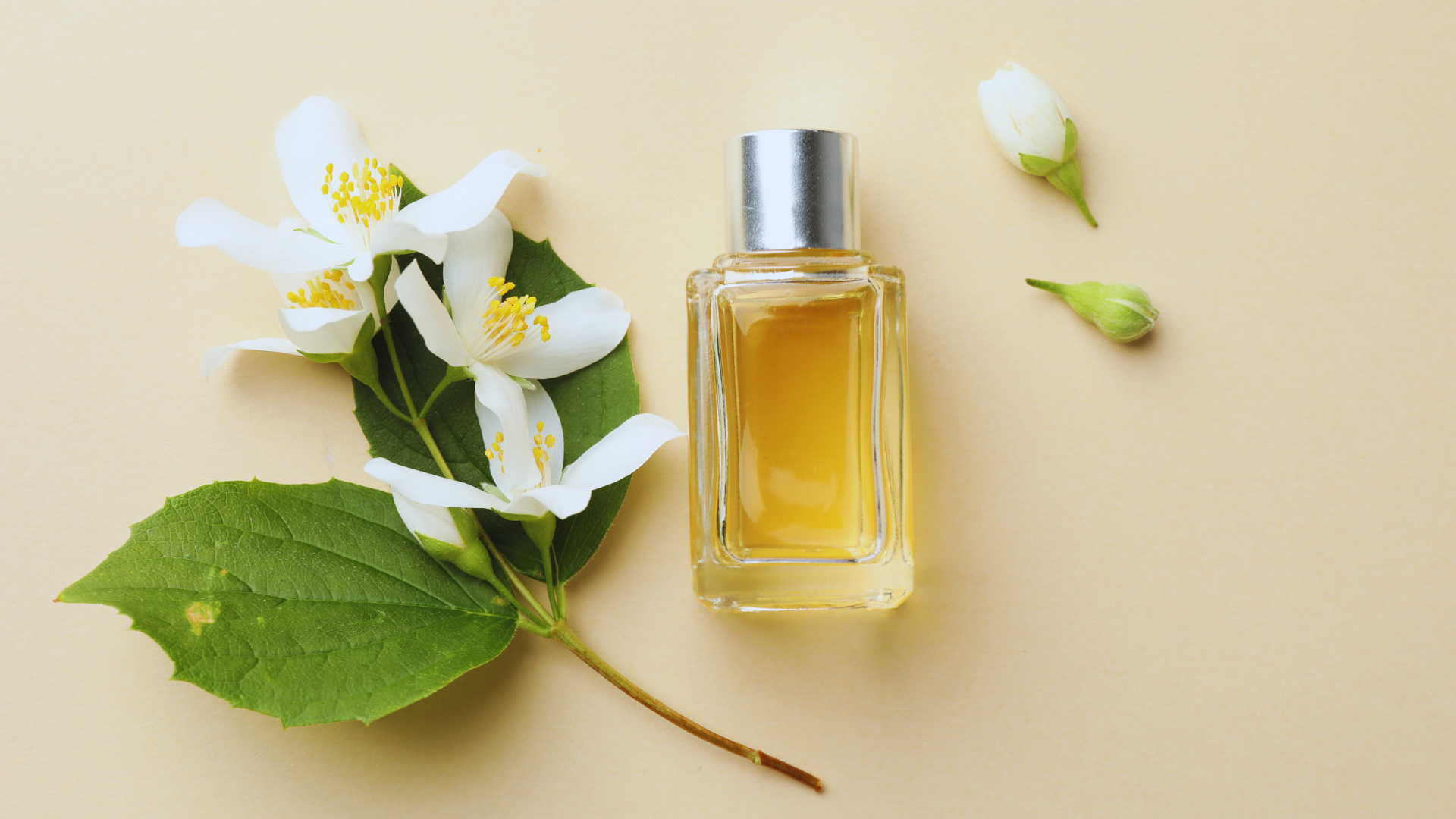
Jasmine is the white gold of fragrance: a single kilogram of pure jasmine absolute—extracted from 8 million hand-picked blossoms—retails for $15,000–$30,000, rivaling saffron and oud. Yet the same night-blooming Jasminum sambac that perfumes Chanel No. 5 and Guerlain Samsara also scents the world’s finest jasmine pearls. This is no coincidence. Tea masters and perfumers share a 1,000-year-old playbook: both capture jasmine’s nocturnal VOC burst (linalool, benzyl acetate, indole) at peak intensity, then stabilize it in a carrier—green tea leaves or alcohol—using identical principles of diffusion, fixation, and microclimate control.
The crossover runs deeper than raw material. Givaudan perfumer Thierry Wasser trained in Hengxian tea factories to master jasmine’s 12-hour bloom cycle; Fuzhou tea artisan Lin Rui consults for Dior on headspace capture of living blossoms. Their collaboration has birthed tea-perfume hybrids—jasmine tea–infused eau de parfums, solid perfume balms shaped like pearls, and scented teas that double as room diffusers. A 2024 limited release by Baccarat Rouge 540 maker Maison Francis Kurkdjian included a jasmine pearl–scented candle whose wax replicated the exact fatty-acid profile of aged tea butter.
This article reveals the shared toolkit—from enfleurage vs. tea scenting, GC-MS headspace mapping, fixative synergies, and cross-industry R&D labs—that blurs the line between sip and spritz. Whether you’re a tea sommelier or fragrance collector, you’ll discover how the same bud, picked at 10 PM under red LED light, becomes both a $500 vintage pearl and a $300 niche perfume.
The Shared Harvest: 10 PM, 23°C, 85% RH
Both industries live or die by the 4-hour jasmine window (8 PM–midnight).
- Perfumery: Pickers in Grasse or Madurai harvest unopened buds at 22–24°C, transporting them in vented muslin to solvent extraction units within 60 minutes.
- Tea: Hengxian pickers use red-light headlamps (preserves circadian rhythm), delivering buds to scenting rooms in bamboo baskets within 2 hours.
Headspace GC-MS (gas chromatography–mass spectrometry) is the universal language.
- Perfumers trap bloom emissions in glass domes over living plants, identifying 120+ VOCs.
- Tea masters use the same tech to grade flower batches—AA-grade must contain >0.8% benzyl acetate and <0.05% hexanal (grassy off-note).
A 2023 joint study by Symrise and Fujian Tea Research Institute mapped three jasmine chemotypes:
- Hengxian Type A (high indole, animalic) → niche perfumery
- Fuzhou Type B (high linalool, citrus-floral) → premium tea scenting
- Vietnam Type C (balanced, cost-effective) → mass-market fragrances
Technique 1: Enfleurage vs. Tea Scenting – Parallel Diffusion
| Process | Enfleurage (Perfumery) | Tea Scenting | Shared Principle |
|---|---|---|---|
| Carrier | Cold beef tallow + palmitic acid | Pre-warmed green tea (32–35°C) | Lipophilic matrix traps VOCs |
| Contact | Flowers laid on fat slabs, replaced 36× over 70 days | 1:1 flower:tea ratio, 7–9 cycles over 2 weeks | Repeated saturation |
| Heat | 18–20°C (fat remains solid) | 38–40°C pile respiration | Controlled volatilization |
| Yield | 0.2–0.3% absolute | 0.8–1.2% oil in final tea | Fatty acid fixation |
Modern twist: CO₂ extraction now replaces enfleurage for sustainability, but tea scenting remains 100% natural—a selling point for clean beauty brands.
Technique 2: Fixatives – From Tea Butter to Perfume Base Notes
Jasmine’s top notes evaporate in 30 minutes. Both industries use fixatives to anchor them:
| Fixative | In Tea | In Perfume | Synergy |
|---|---|---|---|
| Tea seed oil | Coats pearls post-scenting → 3-year shelf life | Replaces animal musk in vegan bases | Camellia triglycerides |
| Vanilla absolute | Added in 15-year vintages | Classic jasmine pairing (Jicky, Shalimar) | Ethyl vanillin binds indole |
| Sandalwood CO₂ | Micro-dose in aged pearls | Base note in 30% of jasmine fragrances | Sesquiterpenes slow evaporation |
Case study: Byredo’s “Jasmine Tea” (2025) uses real 7-year-aged pearl extract as a middle note—first time a perfume house imported scented tea butter from Fuzhou.
Technique 3: Headspace Capture & Reconstruction
Givaudan’s “Living Flower” technology (patented 2018) places a glass bell over a single jasmine bloom, pumping air through a Tenax trap. The captured profile is reconstructed synthetically for consistency. Tea R&D labs use the same traps to grade scenting batches—a pearl lot must match 95% of the target headspace to earn “Grand Cru” status.
Collaboration example:
- L’Oréal Luxe commissioned Hengxian Tea Factory to grow a low-indole jasmine cultivar for YSL Libre.
- In exchange, the factory received AI bloom-prediction software now used for harvest scheduling.
Crossover Products: When Tea Becomes Perfume
| Product | Maker | Innovation |
|---|---|---|
| Jasmine Pearl Solid Perfume | Diptyque x Ten Ren | 7-year pearl butter + beeswax, scented via enfleurage |
| Scented Tea Diffuser | Jo Malone London | Loose jasmine pearls in porcelain egg; heat releases aroma |
| Eau de Thé | Buly 1803 | Cold-brew jasmine tea as alcohol-free fragrance base |
| Aged Pearl Candle | MFK | Wax infused with 12-year pearl extract; burns 60 hrs |
The Lab: Where Tea Meets Perfume R&D
Symrise Shanghai Innovation Center (2024) houses a dual-purpose lab:
- Left wing: tea scenting rooms with temperature-controlled piles.
- Right wing: perfume compounding stations with GC-olfactometry. Technicians wear white coats on both sides, sharing jasmine chemotype libraries.
Joint patent (2025): “Micro-encapsulated jasmine lactone in tea matrix”—extends shelf life of both tea aroma and perfume longevity.
Tasting & Smelling: A Blind Comparison Protocol
- Brew 3g 7-year jasmine pearls (85°C, 30s).
- Spray 2 pumps niche jasmine perfume on blotter.
- Compare:
- Tea: Nutty, honeyed, 2-min aftertaste.
- Perfume: Clean, aldehydic, 6-hour skin life.
- Hybrid: Dab perfume on wrist, sip tea—synesthesia effect (flavor + scent merge).
Future: Jasmine 2.0
- CRISPR-edited jasmine: Higher linalool, lower indole for cleaner tea perfumes.
- NFT-authenticated vintages: Blockchain-tracked 20-year pearls with embedded fragrance QR codes.
- Zero-waste loops: Spent tea flowers → perfume pomades.
Conclusion
Jasmine tea and perfumery are two sides of the same blossom. From the 10 PM harvest under red light to the final fixative note, tea masters and perfumers speak the same language of volatiles, diffusion, and time. Their collaboration isn’t just crossover—it’s convergence: the same bud, picked at the same hour, now lives in both your gaiwan and your pulse points. Next time you sip a 10-year pearl or spritz a jasmine soliflore, remember: you’re experiencing one flower, two arts, a single moment of summer night preserved forever.
