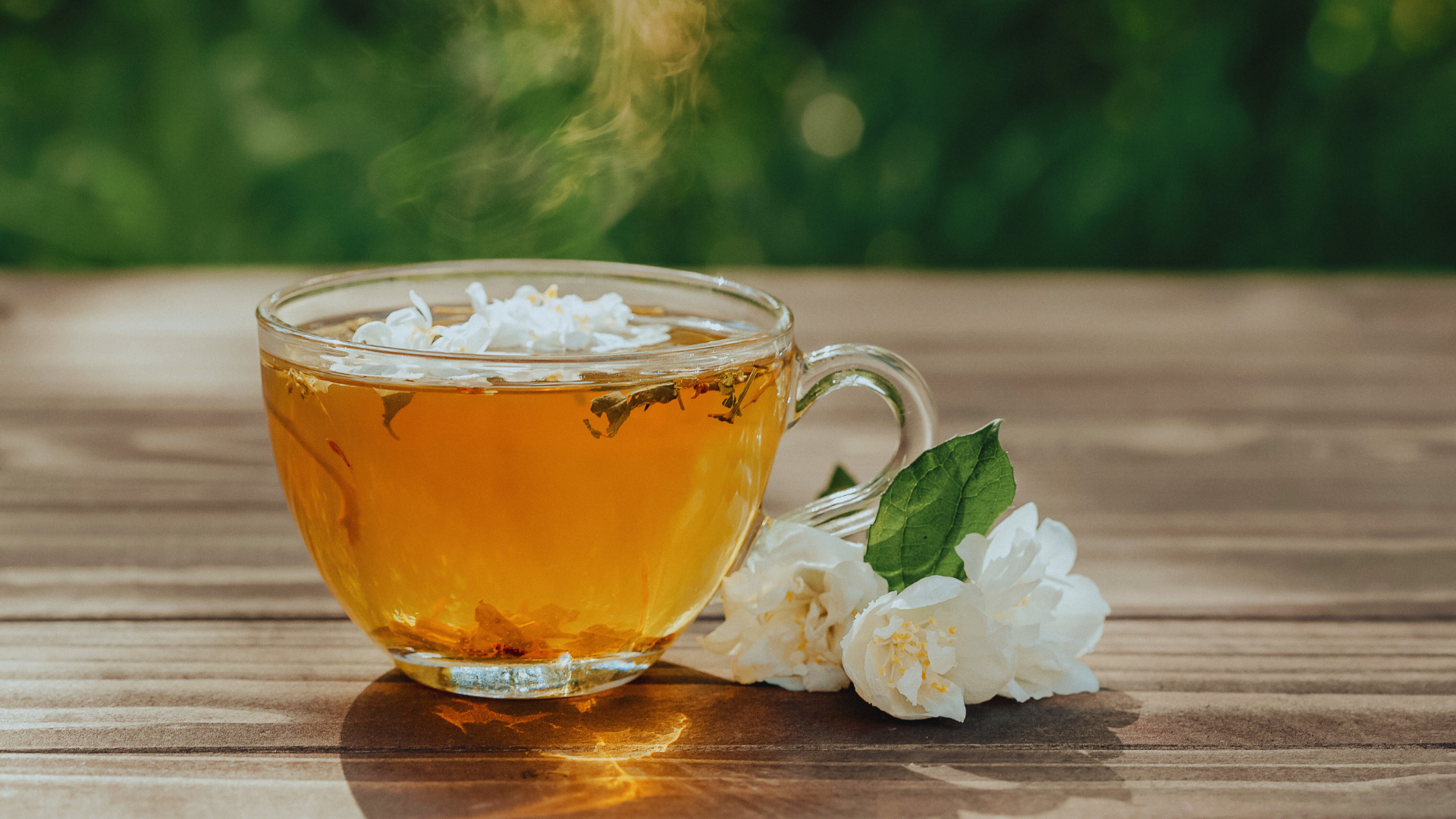
Jasmine tea, with its delicate floral aroma and subtle sweetness, has captivated tea enthusiasts around the world for centuries. Originating from China during the Song Dynasty (960-1279 AD), this scented tea is made by infusing green, black, or white tea leaves with the fragrant blossoms of the jasmine plant. Today, it’s a staple in many households, praised for its calming effects and potential health perks. But like any beverage, jasmine tea isn’t without its drawbacks. While it’s often celebrated for antioxidants that may support heart health and weight management, excessive consumption or certain health conditions can lead to unwanted side effects.
This article dives deep into the potential risks associated with jasmine tea, drawing from scientific studies and expert insights. Whether you’re a daily sipper or just curious, understanding these side effects is crucial before incorporating it into your routine. We’ll explore everything from caffeine-related issues to interactions with medications, helping you make informed choices. Remember, while jasmine tea is generally safe for most people in moderation, individual responses vary. Always consult a healthcare professional if you have pre-existing conditions.
What Is Jasmine Tea?
Jasmine tea is not a herbal tea in the strict sense; it’s typically a base tea—most commonly green—scented with jasmine flowers. The process involves layering fresh jasmine blossoms with tea leaves, allowing the natural oils to infuse the tea with their perfume. This can happen over several nights, with flowers replaced multiple times for premium varieties. Common types include jasmine green tea, jasmine pearl (rolled into balls), and rarer jasmine black or oolong blends.
Historically, jasmine tea was a luxury item in imperial China, symbolizing elegance and purity. It spread along trade routes to the Middle East and Europe, where it’s now enjoyed hot or iced. Nutritionally, a cup provides minimal calories but packs polyphenols like epigallocatechin gallate (EGCG) from the green tea base. Caffeine content varies: an 8-ounce cup typically contains 15-60 milligrams, averaging around 25-30 mg, which is less than coffee (about 95 mg) but enough to provide a gentle boost. Factors like steeping time and tea quality influence this; longer brews extract more caffeine.
Preparation is straightforward: Use 1 teaspoon of loose leaves per cup, steep in 160-180°F water for 2-3 minutes to avoid bitterness. For pearls, allow extra time for unfurling. Its floral notes pair well with light meals or desserts, making it versatile. However, the scenting process doesn’t add calories or significant nutrients beyond the base tea—it’s the aroma that sets it apart.
Health Benefits of Jasmine Tea
Before delving into risks, it’s worth noting jasmine tea’s upsides, as they often outweigh downsides for healthy individuals. The green tea base is rich in antioxidants that combat free radicals, potentially reducing inflammation and supporting cellular health. Studies suggest it may aid weight loss by boosting metabolism by 4-5% and enhancing fat burning. For heart health, polyphenols could lower LDL cholesterol oxidation, decreasing plaque buildup and stroke risk by up to 36% with regular consumption.
Oral benefits include catechins that kill bacteria like Streptococcus mutans, reducing plaque and bad breath as effectively as mouthwash. Brain-wise, the caffeine-L-theanine combo improves focus and mood without jitters, while EGCG may protect against Alzheimer’s and Parkinson’s. It could also help manage type 2 diabetes by improving insulin sensitivity and lowering blood sugar.
Cancer prevention is promising in lab studies, with EGCG inhibiting tumor growth, though human evidence is mixed. Additionally, jasmine’s aroma acts as a stress reliever, promoting relaxation and better sleep when decaffeinated. Immune support comes from antibacterial properties, and it may ease digestion by promoting healthy gut bacteria. Overall, 2-3 cups daily can enhance well-being, but balance is key.
Potential Side Effects of Jasmine Tea
Despite its allure, jasmine tea can cause adverse effects, primarily from its caffeine, tannins, and jasmine components. Let’s break them down.
Caffeine-Related Issues: With 15-60 mg per cup, overindulgence (more than 4-5 cups) can lead to insomnia, restlessness, and anxiety. Sensitive individuals might experience jitters, rapid heartbeat, or headaches. One Reddit user reported fatigue and worsening headaches after excessive intake. Caffeine stimulates the nervous system, blocking adenosine receptors, which can disrupt sleep cycles if consumed late.
Digestive Problems: Tannins in the tea can cause stomach upset, nausea, diarrhea, or heartburn, especially on an empty stomach. Those with ulcers or acid reflux should be wary, as it may exacerbate irritation. However, moderate amounts can aid digestion by fighting harmful bacteria.
Iron Absorption Interference: Catechins and tannins bind to non-heme iron from plant foods, reducing absorption by up to 85%. This raises anemia risk for vegetarians, pregnant women, or those with low iron. A study linked excessive green tea to iron deficiency anemia. To mitigate, drink tea between meals.
Kidney Stones and Oxalates: Green tea’s oxalates can bind calcium, forming stones in susceptible people. If you have a history of kidney issues, limit intake and stay hydrated.
Liver Concerns: High doses of green tea extract have caused liver damage in rare cases. Brewed tea is safer, but those with liver disease should consult a doctor.
Allergies to Jasmine: Though rare, jasmine pollen or oils can trigger reactions like hives, itching, sneezing, watery eyes, or rashes. One case reported full-body hives after drinking. If allergic to related plants, test cautiously.
Pregnancy and Breastfeeding Risks: Caffeine limits are 200 mg daily during pregnancy to avoid miscarriage, low birth weight, or preterm birth. Jasmine may induce early contractions, increasing risks, especially in the first trimester. Some sources advise avoiding it altogether while breastfeeding or for children. Opt for decaf if craving the flavor.
Drug Interactions: Green tea components can alter drug metabolism. It may reduce effectiveness of statins like atorvastatin, blood pressure meds, or warfarin by affecting liver enzymes. Consult a pharmacist if on medications.
These effects are dose-dependent; most occur with overconsumption.
Who Should Be Cautious or Avoid Jasmine Tea?
Certain groups face higher risks. People with anxiety disorders or insomnia should limit caffeine to avoid exacerbating symptoms. Those with high blood pressure, heart conditions, kidney/liver problems, or stomach ulcers may experience worsened issues. Pregnant or breastfeeding women, as noted, need moderation or avoidance.
Individuals on medications for cholesterol, blood thinning, or hypertension should check for interactions. Allergy sufferers, especially to pollens, might react. Children under 12 are better off with caffeine-free options due to developing systems.
Tips to Minimize Side Effects and Enjoy Safely
Moderation is paramount—stick to 2-3 cups daily. Drink in the morning to avoid sleep disruption. For iron concerns, time tea an hour after meals and pair with vitamin C-rich foods to boost absorption. Choose decaffeinated versions if sensitive. Start with small amounts to gauge tolerance, and opt for high-quality, organic teas to minimize pesticides.
If pregnant, consult your OB-GYN; herbal alternatives like peppermint might suit better. Hydrate well to counter any diuretic effects. If side effects persist, stop and seek medical advice.
Conclusion
Jasmine tea offers a delightful sensory experience and health benefits, but awareness of side effects ensures safe enjoyment. From caffeine jitters to potential anemia, most risks are manageable with mindful consumption. Listen to your body and consult professionals for personalized advice. At onotea.com, we encourage exploring teas responsibly—perhaps start with a sample pack to find your balance.
