
In the enchanting world of herbal infusions, floral teas stand out for their ability to transport us to blooming gardens with every sip. Among these, jasmine tea reigns as a timeless favorite, its intoxicating aroma and nuanced taste setting a benchmark for elegance. But how does it stack up against other beloved floral brews like rose, chrysanthemum, and lavender teas?
This article embarks on a sensory journey, comparing the unique profiles of these teas in terms of aroma, flavor, mouthfeel, and more. Backed by insights from tea experts and cultural traditions, we’ll uncover what makes each distinct while highlighting synergies and differences. Whether you’re a tea connoisseur or a novice explorer, this comparison will deepen your appreciation for these natural elixirs, perhaps inspiring you to blend them in your next cup.
Floral teas, derived from dried flowers or scented leaves, offer a caffeine-light alternative to traditional teas, often celebrated for their calming properties and vibrant scents. Originating largely from Asia and Europe, they blend ancient herbal wisdom with modern wellness trends. Jasmine tea, with its green tea base scented by jasmine blossoms, provides a layered experience that’s both refreshing and sophisticated.
In contrast, rose, chrysanthemum, and lavender teas are typically pure herbal infusions, each drawing from their flower’s essence to create profiles ranging from romantic sweetness to herbaceous tranquility. As we delve deeper, we’ll explore their histories, individual characteristics, and head-to-head matchups, revealing why one might suit a serene afternoon while another invigorates the senses.
The Origins and Cultural Significance of Floral Teas
Floral teas have roots intertwined with human history, serving medicinal, ceremonial, and social purposes across cultures. Jasmine tea traces its beginnings to China’s Song Dynasty, where the scenting technique evolved in Fujian province, blending green tea with jasmine for imperial courts. This process, involving repeated layering with fresh flowers, became a symbol of refinement and spread along trade routes to influence global tea culture.
Rose tea, often made from Rosa rugosa or damascena petals, has Persian and Middle Eastern origins, where it’s cherished in hospitality rituals and as a beauty elixir. In Europe, it gained popularity during the Victorian era for its romantic connotations, while in China, it’s blended with black or green teas for added depth.
Chrysanthemum tea, known as júhuā chá, is a staple in Traditional Chinese Medicine, harvested from Chrysanthemum morifolium flowers in autumn for cooling properties. Revered since the Song Dynasty, it’s often consumed during hot summers or festivals, symbolizing longevity and clarity.
Lavender tea, from Lavandula angustifolia, hails from the Mediterranean, where ancient Romans used it for bathing and healing. Popularized in Provence, France, it’s now a global relaxant, frequently blended with other herbs in Western tea traditions.
These teas reflect their cultural tapestries: jasmine’s Asian subtlety, rose’s poetic allure, chrysanthemum’s medicinal heritage, and lavender’s soothing European charm. Understanding their backgrounds enriches the flavor comparison, as origins influence harvesting and preparation methods that shape taste.
Jasmine Tea: The Quintessential Floral Elegance


Jasmine tea in a clear cup, showcasing its light infusion.
Jasmine tea’s flavor profile is a harmonious symphony of floral sweetness and green tea’s grassy freshness. The aroma is intensely perfumed, evoking blooming night gardens with notes of honey and subtle musk. On the palate, it offers a light, sweet taste with underlying vegetal tones, a touch of astringency, and no overwhelming bitterness when brewed properly. Premium varieties, scented multiple times, deliver layered complexity—fresh at first sip, evolving to a lingering floral aftertaste.
Typically based on green tea, jasmine can also pair with white or black bases for milder or robust versions. Its mouthfeel is smooth and refreshing, ideal for multiple infusions. Health-wise, it inherits green tea’s antioxidants, promoting relaxation and digestion. Jasmine’s versatility shines in iced teas or cocktails, where its aroma cuts through sweetness.
Rose Tea: Romantic and Delicately Sweet
Rose tea captivates with its soft, romantic profile, drawing from the petals’ natural oils for a flavor that’s subtly sweet and slightly tart. The aroma is evocative of fresh roses—floral, with hints of fruitiness and a gentle earthiness, less intense than jasmine’s heady scent. Taste-wise, it presents a light astringency, akin to mild black tea, balanced by natural sugars that evoke honey or apples.
Often caffeine-free when pure, rose tea can be blended with black or green leaves for added body. Its mouthfeel is velvety and soothing, with a pale pink hue that enhances visual appeal. Rich in vitamin C, it’s touted for skin health and immunity. Rose excels in desserts or as a base for lattes, its subtlety complementing spices like cardamom.
Chrysanthemum Tea: Herbaceous and Refreshing
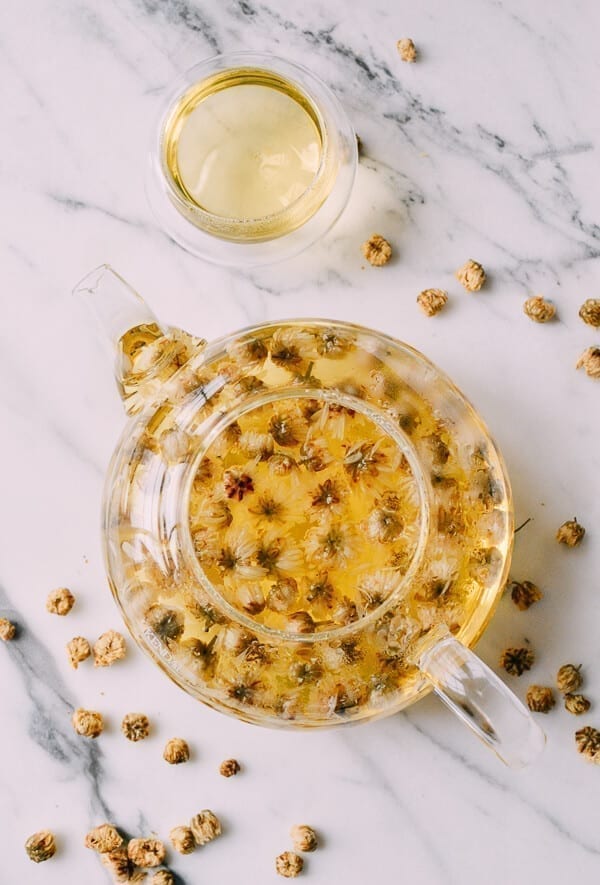
Chrysanthemum flowers brewing in a teapot.
Chrysanthemum tea offers a distinct herbaceous profile, with a mild sweetness reminiscent of honey and pollen, accented by subtle bitterness and menthol notes. Its aroma is light and meadow-like, floral yet earthy, evoking autumn fields rather than intense perfume. The taste is clean and refreshing, with a smooth finish that can turn robust if oversteeped.
Caffeine-free and often enjoyed plain or with rock sugar, it’s versatile in blends with goji berries or green tea. Mouthfeel is light and hydrating, perfect for hot days. In TCM, it’s valued for cooling the body and clearing heat. Chrysanthemum pairs well with savory foods, its subtle flavor cutting through richness.
Lavender Tea: Calming and Earthy
Lavender tea’s profile is boldly floral with earthy undertones, blending sweetness, minty hints, and a touch of rosemary-like herbaceousness. The aroma is pungent and relaxing, reminiscent of Provence fields, with citrusy notes that can border on soapy if strong. Taste delivers a light bitterness and astringency, balanced by subtle sweetness, making it more robust than jasmine’s delicacy.
Usually herbal and caffeine-free, it’s blended with black tea for energy or chamomile for sleep. Mouthfeel is soothing and full-bodied. Known for stress relief, it aids sleep and digestion. Lavender shines in baking or cocktails, its intensity enhancing lemon or honey.
Head-to-Head: Aroma Comparisons
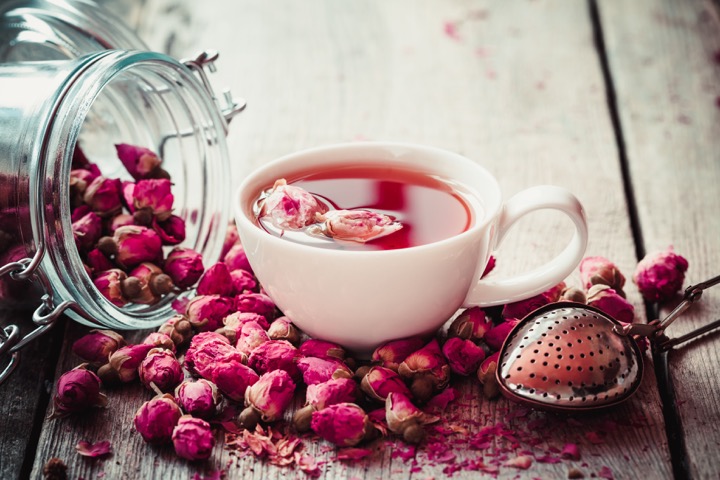
Rose tea with petals, highlighting its romantic hue.
Aroma is the gateway to flavor in floral teas. Jasmine’s is the most intoxicating—sweet, heady, and pervasive, like a summer evening bloom. Rose offers a softer, romantic scent with fruity undertones, more subtle and inviting. Chrysanthemum’s aroma is gentle and herbaceous, with menthol freshness that clears the senses. Lavender stands out as the most potent, earthy and citrusy, evoking relaxation but potentially overpowering. Jasmine edges out for complexity, while lavender wins for calming intensity.
Taste and Mouthfeel: Nuances Explored
Taste profiles vary widely. Jasmine balances sweet florals with grassy subtlety and mild astringency. Rose is sweetly tart, with a velvety feel that’s elegant but less layered. Chrysanthemum’s honeyed bitterness provides a clean, refreshing mouthfeel. Lavender’s earthy bitterness demands balance, offering a fuller body. Jasmine feels smoothest, chrysanthemum most hydrating.
Health Benefits: A Comparative Glance
All offer antioxidants, but jasmine’s green base adds catechins for metabolism. Rose boosts vitamin C for skin. Chrysanthemum cools and detoxifies. Lavender excels in stress relief.
Brewing Tips and Pairings
Brew jasmine at 80°C for 2-3 minutes; rose at boiling for tartness; chrysanthemum gently for sweetness; lavender briefly to avoid bitterness. Pair jasmine with light snacks, rose with desserts, chrysanthemum with meals, lavender with bedtime treats.
Blending Possibilities
Experiment: jasmine-rose for sweet florals, chrysanthemum-lavender for herbal calm.
Conclusion
Jasmine tea’s unique blend of aroma and taste sets it apart, yet rose, chrysanthemum, and lavender each offer distinct charms. Explore these to find your perfect floral escape.