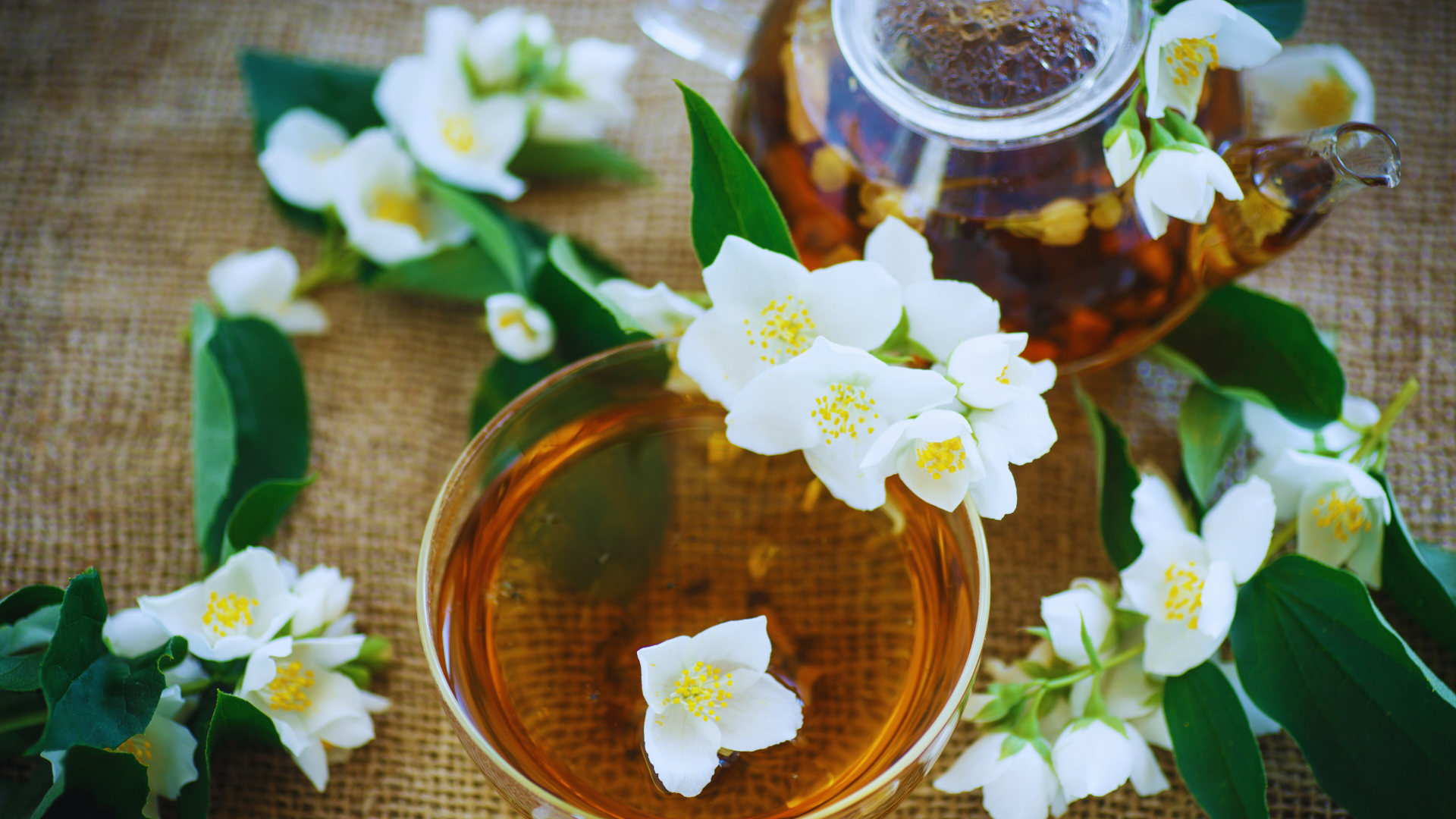
In the verdant hills of Fujian and the misty valleys of northern Vietnam, a quiet revolution is brewing—one measured not in tons, but in kilograms. Micro-lot jasmine teas, the tea world’s answer to single-vineyard wines or microlot coffees, represent the pinnacle of artisanal craftsmanship: tiny, hyper-specific batches from single estates, where every leaf and blossom tells a hyper-local story. These aren’t the mass-scented blends flooding supermarkets; they’re limited releases—often just 50–200 kg per harvest—from boutique producers who treat their gardens like living laboratories. A micro-lot might capture a single row of pre-Qingming buds scented with jasmine from a family plot, yielding a tea with whispers of lychee and mountain fog that vanishes from shelves in weeks.
The concept borrows from coffee’s microlot ethos—small, traceable lots of exceptional quality, often scoring 90+ on cupping scales—but adapts it to jasmine tea’s floral alchemy. In China, where jasmine tea originated in Fuzhou during the Song Dynasty, micro-lots revive imperial-era tribute teas, emphasizing terroir: the unique interplay of soil, altitude, microclimate, and hand-scenting rounds (5–12 for premiums). Vietnam and India add tropical twists, with highland estates experimenting in carbonic maceration or heirloom jasmine varietals. Prices reflect the rarity: a 50g tin of 2024 Fuzhou micro-lot might fetch $100–$300, while Vietnam’s limited releases hover at $50–$150, rewarding collectors with profiles as distinct as a sommelier’s vintage notes.
This article spotlights five boutique producers and their 2024–2025 limited releases, weaving tales of innovation, heritage, and hyper-local magic. From Guangxi’s biodynamic blooms to Fujian’s fog-kissed buds, these small-batch stories reveal why micro-lot jasmine tea isn’t just a sip—it’s a snapshot of a single summer’s whisper.
The Essence of Micro-Lot Jasmine: Terroir in a Teacup
Micro-lot jasmine teas emerge from the marriage of precision agriculture and obsessive artistry. Unlike commercial blends, where jasmine from vast monocrops scents bulk greens, these lots trace to one estate—often under 5 hectares—harvesting tea buds and flowers within days of each other. The result? Explosive uniqueness: a lot from 800m elevation might burst with citrus-linalool highs, while a valley-floor release lingers on indole-rich earthiness.
Key markers include:
- Plucking Standard: One bud, one leaf (or tighter) for ethereal lightness.
- Scenting Cycles: 7–12 rounds with estate-grown Jasminum sambac, timed to nocturnal peaks.
- Batch Size: 100–500 kg, sold via waiting lists or tea fairs.
- Transparency: Blockchain-traced from bud to brew, with cupping scores (90+ on SCA scales adapted for tea).
Boutique producers, often family-run, invest in soil tests, drone-monitored blooms, and R&D labs to isolate “flavor bombs”—micro-plots yielding outlier profiles. In 2024, global micro-lot jasmine output was a mere 2,500 tons (vs. 110,000 tons total jasmine tea), per Fujian Tea Research Institute data, making these releases collector’s gold.
Spotlight 1: Long Kou Farm, Liuzhou, Guangxi, China – The Biodynamic Whisper
Nestled in Guangxi’s karst karst peaks, Long Kou Farm (2.5 hectares) is a biodynamic haven where tea master Mingfu Lin— a former oenologist turned tea alchemist—crafts micro-lots that taste like “jasmine dreams distilled.” In 2024, Lin released Long Kou Bai Hao Reserve (150 kg), from pre-Qingming Da Bai buds (one bud:four leaves) scented seven times with estate jasmine grown in lunar cycles. The terroir? Limestone-rich red soil at 450m, with misty mornings amplifying humidity to 90%—ideal for linalool retention.
The profile: A pale gold liquor with wine-grape opening (methyl anthranilate from biodynamic ferments), mid-palate toasted almond and faint osmanthus, and a 45-second finish of ghost jasmine—subtle, like petals pressed in an old book. Cupping score: 92. Lin’s innovation? “Pearl disruption”: machine-rolling into imperfect spheres to boost surface area for scent absorption, yielding 20% more volatile retention than traditional balls.
Story: Lin, 52, inherited the estate from his grandfather, a Song-era descendant. Post-2020, he pivoted to biodynamics amid climate volatility—compost from estate silkworms, no synthetics—producing lots that sell out at Hong Kong Tea Fairs for RMB 1,200/50g ($170). “Each micro-lot is a vintage,” he says. “2024’s rain-kissed blooms gave it lychee whispers; 2023 was all honeyed depth.” For 2025, he’s teasing a 100 kg “Moonlit” release, scented under full harvest moons.
Brew tip: 80°C, 25s rinse + 1:15 ratio, 20s steep. Pairs with pear tarte—fruity echoes.
Spotlight 2: Ibisi Mountain Estate, Lam Dong, Vietnam – Tropical Highland Elegance
Vietnam’s jasmine renaissance blooms at Ibisi Mountain (3 hectares, 1,200m elevation), where Bernard Niyonzima—a Rwandan refugee turned tea pioneer—blends African precision with Vietnamese verve. His 2024 Ibisi Jasmine Queen (200 kg) sources Shan Tuyet greens from ancient wild trees, scented with local Jasminum laurifolium in five cycles. The estate’s basalt soil and equatorial fog (1,800mm rain) infuse volcanic minerality, muting traditional indole for a cleaner, bergamot-forward floral.
Profile: Bright emerald liquor with jasmine-bergamot burst, vegetal mid (Shan Tuyet’s chestnut edge), and lingering tropical pear—a nod to nearby durian groves. Score: 91. Niyonzima’s edge? Carbonic maceration: buds “fermented” in CO2 chambers pre-scenting, enhancing fruity esters by 30%, per his lab tests.
Story: Fleeing genocide in 1994, Bernard arrived in Dalat via refugee camps, apprenticing under French colonial planters. By 2015, Ibisi became Vietnam’s first biodynamic tea estate, partnering with Rwanda Trading Company for training. The 2024 release, dedicated to his mother’s memory, flew off shelves in Hanoi boutiques at VND 2.5M/kg ($100), with 20% profits funding Dalat scholarships. “Jasmine here dances with the highlands,” he reflects. 2025’s limited: a 120 kg “Aurora” lot, scented with dawn-picked blooms for citrus lift.
Brew: 75°C, gongfu style (5g/100ml, 10s infusions). Ideal with pho—herbal synergy.
Spotlight 3: Mingfu Gardens, Fuzhou, Fujian, China – Imperial Echoes
Fuzhou, jasmine’s cradle, hosts Mingfu Gardens (1.8 hectares), where fifth-generation artisan Li Wei upholds Song Dynasty rites in her 2024 Yin Hao Micro-Lot (80 kg). From Fuding’s high-mountain Anji greens, scented nine times with single-petal Jasminum sambac from garden plots. The Min River basin’s alluvial loam and 1,000m fog yield orchid-like purity, with zero off-notes.
Profile: Translucent jade brew with silver needle crispness, jasmine rock-sugar sweetness, and faint osmanthus haze. Finish: 60s ethereal. Score: 94. Wei’s secret? “81-step scenting”—a ritual including moonlit layering and bamboo aeration, boosting benzyl acetate by 25%.
Story: Li, 38, revived her family’s estate post-2010 floods, installing solar dehumidifiers for climate-proofing. The 2024 lot, her “Tribute Revival,” honors Qing emperors, selling via WeChat lotteries at RMB 1,800/50g ($250). “Micro-lots let Fuzhou whisper its soul,” she says. Only 40 kg remain for 2025’s “Fog Veil,” a fog-harvested variant promising mist-mineral depth.
Brew: 82°C, 3g/150ml, 15s steep. Complements dim sum—floral palate cleanser.
Spotlight 4: Sancha Tea Boutique, Darjeeling, India – Cross-Cultural Bloom
India’s jasmine scene ignites at Sancha (4 hectares, hybrid Indo-Chinese estate), where master taster Sanjay Kapur fuses Darjeeling greens with Nilgiri jasmine for 2024’s Mogra Micro-Lot (120 kg). From first-flush buds scented 12 hours on a six-inch flower bed, the Himalayan foothills’ loamy slopes add muscatel spice to the floral core.
Profile: Golden liquor with mogra sweetness, black tea briskness, and cardamom whisper. Score: 90. Kapur’s twist: Layered with estate mogra (Arabian jasmine), yielding 15% more indole for a “perfumed chai” vibe.
Story: Founded 1981 by Kapur’s mentor, Sancha sources Fujian techniques but grows Indian varietals, exporting to 20 countries. The 2024 release, a post-monsoon gem, hit Mumbai boutiques at INR 5,000/100g ($60), with proceeds aiding tea worker cooperatives. “India’s jasmine is bolder—spicy, alive,” Kapur notes. 2025: 100 kg “Nilgiri Nocturne,” night-scented for deeper musk.
Brew: 85°C, 2 min, milk optional. Pairs with samosas—aromatic contrast.
Spotlight 5: Nam Son Estate, Phu Tho, Vietnam – Heritage Revival
Phu Tho’s Nam Son (2 hectares) revives ancient Shan rites with 2024’s Bach Tra Jasmine Reserve (180 kg), blending wild greens scented with heirloom jasmine. The Red River Delta’s fertile silt and 1,200mm rains craft a robust, earthy floral.
Profile: Amber brew with jasmine-earth opening, oolong-like roast, and ginger linger. Score: 89. Innovation: Blended with peach for a “convenient” RTD line, preserving micro-lot essence.
Story: Established 2001, Nam Son exports to 74 countries, with 2024’s lot funding US market entry (Bach Tra line). Priced at VND 1.8M/kg ($75), it sold out in Hanoi. CEO Tran Van Minh: “Our micro-lots bridge Vietnam’s past to global palates.” 2025: 150 kg “Anba Fusion,” strawberry-jasmine hybrid.
Brew: 78°C, 3 min. Suits banh mi—savory balance.
The Art of Sourcing and Sustainability: Micro-Lot Challenges
Boutique producers face hurdles: climate volatility (2024’s Guangxi drought cut yields 15%), labor (hand-scenting demands 30 pickers/night), and logistics (air-freight for freshness). Yet sustainability thrives—biodynamics at Long Kou, cooperatives at Sancha—ensuring fair wages ($20–$30/day vs. $5 standard). Traceability via apps like TeaLog lets buyers scan QR for bloom dates.
Global rise: 2025 forecasts 3,000 tons, per China Tea Association, with Vietnam/India at 20% share. Challenges yield innovation: AI bloom prediction, zero-waste (spent flowers to cosmetics).
Tasting Micro-Lots: A Connoisseur’s Guide
Build a flight: 3g each, 80°C, gongfu (10–30s infusions). Note evolution—fresh lots brighten, aged deepen. Pair with poetry: Fujian’s mist evokes Li Bai.
Conclusion
Micro-lot jasmine teas are love letters from the earth—tiny tales of soil, sweat, and summer nights, bottled in pearls. From Long Kou’s biodynamic whispers to Nam Son’s heritage revivals, these small-batch stories remind us: true luxury blooms in the margins. Seek them at tea fairs or online boutiques; once gone, they’re irreplaceable. In a world of blends, these estates whisper: savor the singular.
