
Digestive discomfort and nausea are common issues affecting daily life, from post-meal bloating to motion sickness or morning queasiness. Many turn to herbal teas for natural relief, with mint tea (primarily peppermint, sometimes spearmint) and ginger tea leading the pack. Both are caffeine-free, flavorful, and backed by traditional use, but they work differently. This article compares their stomach-soothing properties, effects on nausea and digestion, anti-inflammatory benefits, immunity support, and overall evidence to determine which excels for specific needs.
Mint tea offers cooling relaxation, ideal for spasms and bloating, while ginger tea provides warming stimulation, renowned for nausea relief. Peppermint dominates mint discussions due to higher menthol content and stronger research. We’ll explore compounds, mechanisms, studies, and practical recommendations—helping you choose or blend for optimal relief.
Origins and Key Compounds
Mint tea, especially peppermint (Mentha × piperita), blends watermint and spearmint. Menthol drives cooling and antispasmodic effects; rosmarinic acid adds antioxidants.
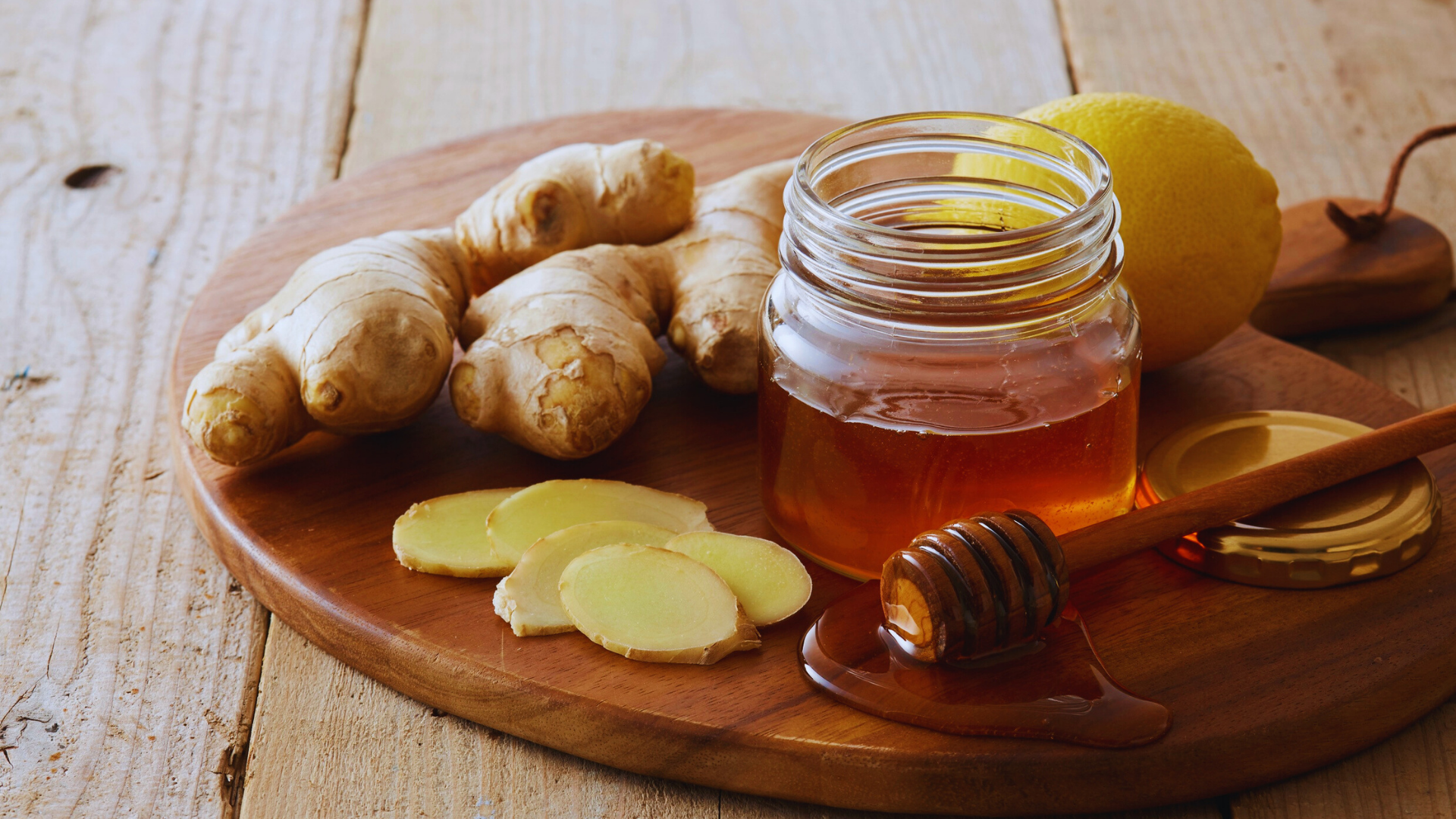
Ginger tea uses Zingiber officinale rhizome. Gingerols and shogaols deliver pungency, anti-inflammatory, and pro-motility properties.
Brewing extracts these: mint yields soothing volatiles, ginger potent bioactives.
Flavor Profiles: Cooling Refresh vs. Warming Spice
Taste shapes enjoyment and compliance.
Mint tea (peppermint) delivers sharp, icy menthol—crisp and invigorating. Spearmint offers sweeter, milder notes.
Ginger tea brings spicy, warming heat with earthy undertones—zesty and stimulating.
Mint refreshes instantly; ginger energizes gradually. Add honey or lemon to both.
Stomach-Soothing Properties: Relaxation vs. Stimulation
Both aid digestion differently.
Mint tea relaxes GI smooth muscles via menthol, easing spasms, bloating, gas, and cramps. It excels for IBS and indigestion.
Ginger tea stimulates motility, enzyme production, and gastric emptying—preventing stagnation and bloating.
Mint suits spastic issues; ginger proactive sluggishness.
Effects on Nausea: Strong Contender Emerges
Nausea relief varies markedly.
Ginger tea shines with robust evidence. Gingerols block serotonin receptors and speed emptying—effective for pregnancy, chemotherapy, motion sickness, and postoperative nausea.
Mint tea helps mildly, relaxing the gut and reducing vomiting in some cases, such as chemotherapy or pregnancy.
Ginger leads decisively for nausea.
Anti-Inflammatory Effects
Inflammation drives many digestive woes.
Ginger tea inhibits pathways like COX-2, reducing cytokines—benefiting arthritis, gut inflammation, and oxidative stress.
Mint tea offers milder rosmarinic acid effects, supporting overall reduction.
Ginger provides stronger systemic action.
Immunity Support
Both bolster defenses indirectly.
Ginger tea shows antimicrobial, antioxidant properties—potentially aiding colds and infections.
Mint tea contributes antimicrobial menthol and antioxidants, supporting respiratory health.
Ginger edges with broader immune modulation.
Scientific Evidence Comparison
Ginger boasts stronger nausea data from systematic reviews—effective at 1g/day with minimal sides.
Peppermint oil (implying tea) excels for IBS via meta-analyses reducing pain and bloating.
Both safe; ginger superior for nausea, mint for IBS spasms.
Practical Tips and Blending
Brew mint 5-10 minutes; ginger simmer sliced root 10-15.
For nausea: Ginger first. For bloating/IBS: Mint. Blend for synergy—mint relaxation plus ginger stimulation.
Add lemon/honey. 2-3 cups daily; consult for pregnancy or meds.
Potential Side Effects
Both are generally safe. Excess mint risks heartburn; ginger rarely causes mild upset or interactions.
Conclusion: Targeted Winners
Mint tea vs ginger tea for digestion and nausea? Ginger triumphs for nausea (pregnancy, motion, chemo) and proactive digestion with strong anti-inflammatory/immunity perks. Mint (peppermint) dominates spastic issues like IBS bloating/cramps. Neither universally superior—ginger for nausea prevention, mint for relaxation. Blend for comprehensive support. Experiment safely; consult professionals for persistent issues. On onotea.com, these roots offer natural gut allies.
