As more people seek caffeine-free beverages that support wellness without late-night jitters, two herbal favorites rise to the top: mint tea (primarily peppermint or spearmint) and rooibos tea (Aspalathus linearis). Both are naturally caffeine-free, richly flavorful, and associated with relaxation and skin benefits. Mint tea delivers a bold, cooling freshness renowned for digestive calm, while rooibos—South Africa’s “red bush” tea—offers a smooth, nutty sweetness celebrated for antioxidant potency. This article compares their roles in skin health and relaxation, including antioxidant profiles, hydration support, allergy-friendly aspects, and overall suitability for sensitive individuals.
These teas provide gentle, daily rituals ideal for evening wind-downs or skin-conscious routines. Peppermint dominates mint discussions due to higher menthol and research volume, but spearmint adds milder notes. Rooibos stands out for unique compounds unavailable in mint. We’ll explore origins, taste, evidence-based benefits, and practical guidance to help you choose—or blend—the best caffeine-free option for your needs.
Origins and Key Compounds
Mint tea comes from the Mentha genus. Peppermint (Mentha × piperita) is a hybrid with high menthol (cooling agent), menthone, and rosmarinic acid. Spearmint (Mentha spicata) offers lower menthol and sweeter carvone. Both contain flavonoids with anti-inflammatory potential.
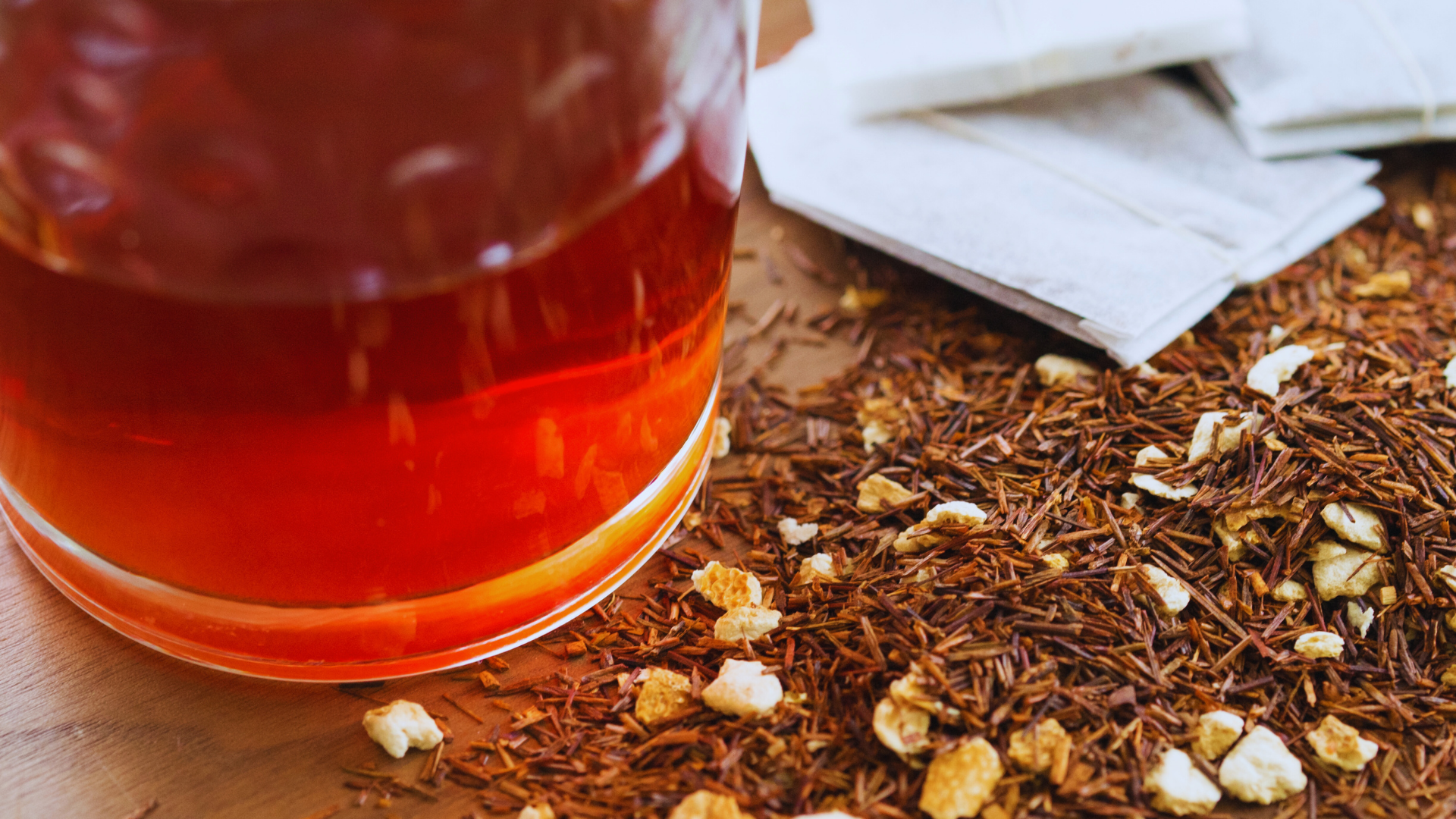
Rooibos tea, native to South Africa’s Cederberg region, is fermented (red) or unfermented (green). Key compounds include aspalathin (unique to rooibos), nothofagin, quercetin, orientin, and iso-orientin—powerful polyphenols with strong free-radical scavenging.
Brewing extracts volatiles in mint for aroma and rooibos’s deep red polyphenols for color and depth.
Flavor Profiles: Crisp Cool vs. Smooth Nutty Sweetness
Taste shapes daily enjoyment.
Mint tea (peppermint) delivers intense, icy menthol—sharp, refreshing, with lingering throat coolness. Spearmint is gentler, sweeter, almost fruity.
Rooibos tea offers naturally sweet, woody-nutty notes with vanilla-honey undertones. Red rooibos is fuller and caramel-like; green rooibos lighter and grassier.
Mint invigorates instantly; rooibos comforts smoothly. Both delicious plain or iced.
Caffeine-Free Hydration: Shared Strength
Both are completely caffeine-free, making them perfect any time—especially evenings or for caffeine-sensitive people, pregnant individuals, or children.
As warm or iced beverages, they contribute to daily fluid intake without diuretic caffeine effects. Proper hydration supports skin elasticity, toxin flushing, and overall glow—both excel here equally.
Antioxidant Comparison: Unique Profiles for Skin Health
Skin health hinges on combating oxidative stress from UV, pollution, and aging.
Rooibos tea boasts superior antioxidant capacity. Aspalathin and nothofagin are rare, potent scavengers—stronger than many common flavonoids. Studies show rooibos inhibits lipid peroxidation and protects against UV-induced damage. Quercetin content aids collagen preservation and reduces inflammation linked to acne or eczema.
Mint tea offers rosmarinic acid and flavonoids with respectable activity. Lab assays confirm antioxidant effects, but total polyphenol content is lower than rooibos. Menthol adds topical cooling (in compresses), but internal skin benefits are milder.
Direct comparisons (ORAC, DPPH assays) consistently rank rooibos higher. Green rooibos edges red due to less fermentation preserving aspalathin.
Rooibos leads for systemic skin protection; mint supports indirectly via reduced inflammation.
Relaxation and Stress Relief
Both promote calm, but pathways differ.
Mint tea (peppermint) relaxes smooth muscles and provides aromatic therapy—menthol aroma reduces tension and mental fatigue. Warmth and ritual foster mindfulness.
Rooibos tea contains magnesium and trace zinc for nervous system support. Its naturally sweet, comforting flavor encourages slower sipping and relaxation without stimulation.
Both caffeine-free, they avoid evening interference with sleep. Mint clears the mind; rooibos cradles gently.
Allergy-Friendly Choices
Sensitivity matters for daily drinks.
Rooibos tea is exceptionally hypoallergenic—no reported cross-reactivity with common allergens. Naturally free of oxalic acid (kidney stone concern) and low tannins (less stomach irritation).
Mint tea is generally safe but belongs to the Lamiaceae family—rare cross-reactivity possible with basil, oregano, or lavender. Peppermint may trigger heartburn via esophageal relaxation in GERD sufferers.
Rooibos wins for broadest allergy tolerance.
Scientific Evidence for Skin and Relaxation
Rooibos benefits from dedicated research: South African studies show topical/internal use improves acne, eczema, and aging markers. Aspalathin protects fibroblasts and reduces MMP enzymes that break collagen.
Mint evidence focuses on digestion and oral health; skin benefits are largely from anti-inflammatory rosmarinic acid. Topical peppermint cools irritated skin, but internal effects milder.
Both support relaxation anecdotally and via ritual, with limited direct anxiety trials.
Practical Tips and Blending
Brew mint 5-10 minutes; rooibos 5-7 (red) or 4-6 (green) to avoid bitterness.
- Skin Focus → Rooibos daily (3-4 cups); use cooled brew as facial toner.
- Evening Relaxation → Mint for post-dinner calm; rooibos for sweeter comfort.
- Sensitive Stomach → Rooibos (low tannin).
- Variety → Blend—mint freshness lifts rooibos earthiness.
Add honey or lemon. Organic preferred.
Potential Side Effects
Both very safe. Rare mint allergies or heartburn; rooibos almost none. Extremely high intake theoretically affects iron absorption (tannins), but minimal at normal levels.
Conclusion: Complementary Caffeine-Free Champions
Mint tea vs rooibos tea for skin health and relaxation? Rooibos emerges stronger for skin—thanks to unique, potent antioxidants like aspalathin offering superior protection against aging and inflammation. Its exceptional allergy-friendliness and smooth sweetness make it ideal for sensitive users. Mint (peppermint) excels in instant refreshment, digestive relaxation, and aromatic calm—perfect when bloating or mental clarity is needed.
Neither is universally better—rooibos for systemic skin support, mint for invigorating ritual. Both hydrate beautifully and promote caffeine-free relaxation. Stock both: rooibos daytime skin boost, mint evening wind-down. On onotea.com, these herbal stars deliver gentle, flavorful wellness.
