Moroccan mint tea, known as atay bi na’na, and regular green tea represent two iconic beverages with deep cultural roots and health potential. Moroccan mint tea blends Chinese gunpowder green tea with fresh spearmint (nana mint) and generous sugar, embodying North African hospitality. Regular green tea, from unoxidized Camellia sinensis leaves, offers a pure, earthy profile cherished in East Asia. This article compares their flavor, preparation (including the traditional recipe), refreshment qualities, and antioxidant profiles, plus broader benefits, to guide your choice.
Both provide hydration and wellness, but Moroccan mint tea tempers green tea’s bite with minty sweetness for social sipping, while plain green tea delivers concentrated catechins for focused health. We’ll explore origins, taste, brewing rituals, scientific insights, and when each shines—ideal for onotea.com readers seeking flavorful, functional infusions.
Origins and Cultural Significance
Regular green tea traces to ancient China (circa 2737 BCE), minimally processed to preserve vibrant compounds. Varieties like sencha (Japan) or longjing (China) emphasize purity.
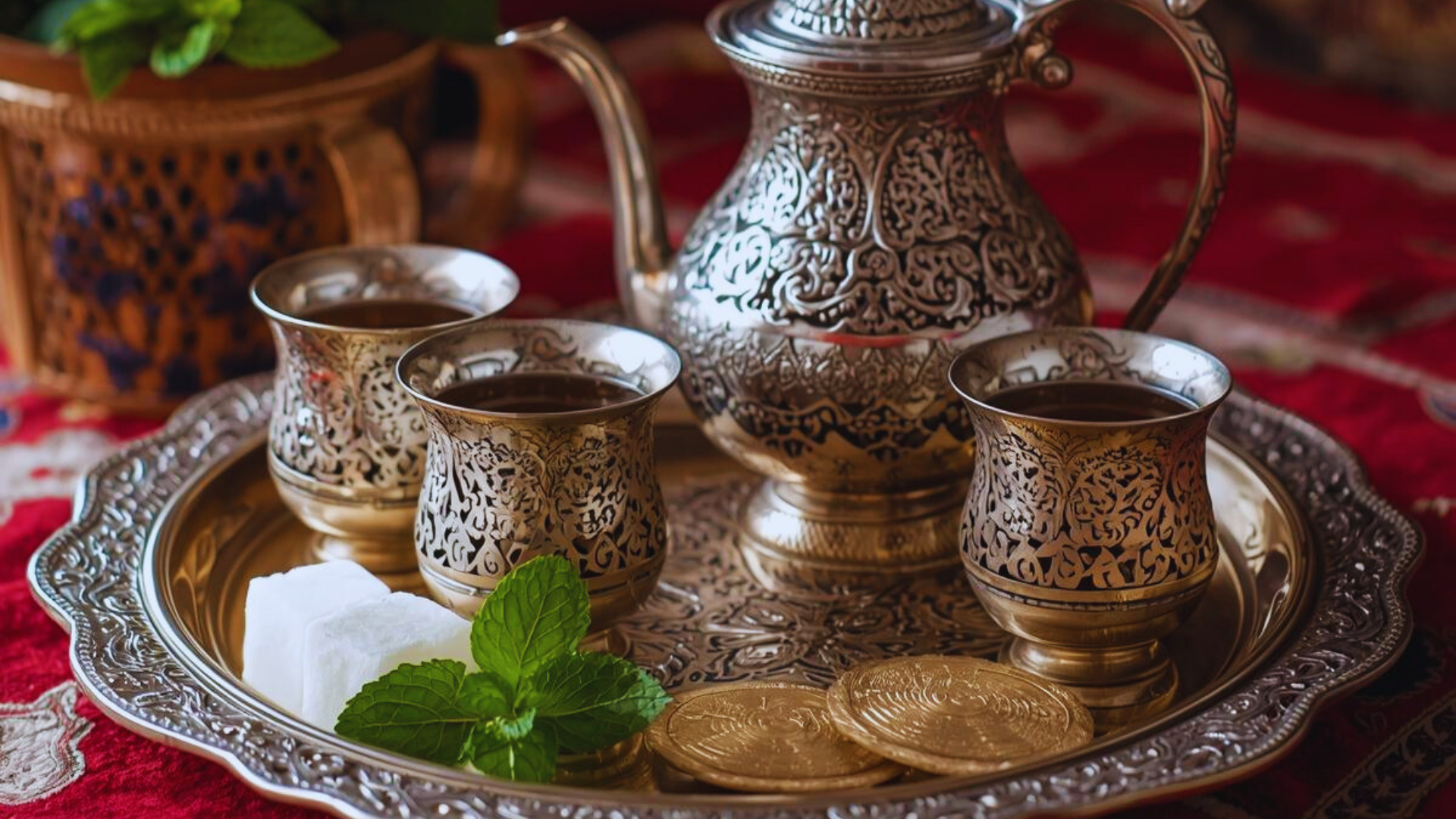
Moroccan mint tea emerged in the 19th century when British merchants diverted gunpowder green tea to Morocco during the Crimean War (1850s). Locals blended it with abundant spearmint and sugar, transforming it into atay bi na’na—”tea with mint.” Now Morocco’s national drink (consuming 3.5 pounds per person yearly), it’s a hospitality symbol, served in three rounds: bitter first (strong tea), balanced middle, sweet finale. Poured from height for foam (rizza), it fosters conversation in riads or souks.
Gunpowder’s rolled pellets withstand bold brewing, distinguishing it from delicate regulars.
Flavor Profiles: Sweet-Minty Fusion vs. Grassy Purity
Taste defines enjoyment.
Regular green tea is vegetal, grassy, with umami, slight astringency, and seaweed notes. Sencha: fresh-cut grass; matcha: creamy, oceanic. Low sweetness; bitterness rises with steep time.
Moroccan mint tea masks green tea’s edge: spearmint’s sweet, cooling freshness dominates, balanced by sugar (4-6 tbsp per liter traditionally). Gunpowder adds smoky depth; result: aromatic, frothy, dessert-like—mint-forward with subtle tannin. Fresh nana (stronger than peppermint) yields herbal intensity; sugar enhances refreshment.
Moroccan wins for approachable sweetness; green for nuanced subtlety. Iced Moroccan refreshes summers; hot green comforts winters.
Traditional Preparation and Recipes
Brewing highlights contrasts.
Regular green tea: 1 tsp leaves, 80°C water, 1-3 min steep. Avoid boiling to prevent bitterness. Multiple infusions possible.
Moroccan mint tea (atay bi na’na) is ceremonial, yielding 1 liter (4-6 servings):
Ingredients: 1 tbsp Chinese gunpowder green tea, large handful fresh spearmint leaves (25-30, bruised), 4-6 tbsp sugar (or cubes), 1L boiling water.
Steps (10-15 min):
- Rinse teapot with boiling water.
- Add gunpowder; pour 100ml boiling water, swirl 1 min, discard (removes bitterness/dust).
- Add bruised mint and sugar.
- Pour remaining boiling water; simmer 3-5 min on low (traditional: stovetop metal pot).
- Pour from height (30-50cm) into glasses for foam—repeat pot-glass transfers for aeration.
- Serve three rounds, tasting/adjusting sweetness.
This bold method (boiling gunpowder) suits sugar-masking; regular green avoids it. Variations: wormwood (chiba) winter bitterness, lemon verbena citrus. Use nana spearmint for authenticity—stronger than peppermint.
Refreshment Qualities: Cooling Social Elixir vs. Steady Reviver
Both hydrate superbly in heat.
Regular green tea refreshes via L-theanine/caffeine synergy: calm focus (20-45mg/cup). Antioxidants combat fatigue; grassy coolness suits meditation.
Moroccan mint tea excels hot climates: spearmint menthol cools receptors, sugar energizes mildly (gunpowder caffeine ~30mg/cup, diluted). Frothy, aromatic—social “Berber whiskey.” Digestion-soothing mint eases post-meal bloat; tradition slows pace, reducing stress.
Moroccan for gatherings/hot days; green for solo clarity.
Antioxidant Profiles and Health Benefits
Antioxidants drive benefits; profiles differ.
Regular green tea dominates: catechins (EGCG primary, 50-100mg/cup), scavenging free radicals. EGCG fights inflammation, cancer risk, supports heart/brain. Studies: lowers LDL oxidation, boosts metabolism (3-4% fat burn). Gunpowder retains high EGCG (56-70mg/g dry).
Moroccan mint tea combines: gunpowder EGCG/catechins + spearmint rosmarinic acid/flavonoids. Synergy enhances—2025 study: green-peppermint blends show additive scavenging (DPPH/ABTS), dose reduction via co-maceration. Mint adds menthol (digestion/respiratory), minerals (Ca, Mg immunity). Benefits: antioxidants (abdominal fat reduction), nausea relief, stress drop (20% via L-theanine).
Sugar tempers (unsweeten for max); mint boosts oral/antimicrobial. Moroccan: digestion/immunity edge; green: potent EGCG.
Evidence: Green tea meta-analyses (heart/diabetes); mint reviews (antioxidant/antimicrobial, PMC7923432). Moroccan lacks direct trials but inherits both.
Caffeine: Green higher (pure); Moroccan milder.
When to Choose Each
- Refreshment/Social: Moroccan—festive, cooling.
- Pure Antioxidants/Weight: Regular green—EGCG focus.
- Digestion/Colds: Moroccan—mint decongests.
- Daily Ritual: Green (multiple brews); Moroccan occasional.
- Caffeine-Sensitive: Unsweetened Moroccan (diluted).
Blend: Add mint to green for hybrid.
Practical Tips and Precautions
Organic gunpowder/nana mint maximizes. Sugar: traditional but limit (diabetes). Excess mint: heartburn; green tannins: iron block (post-meal). Safe moderation; pregnant limit caffeine.
Conclusion: A Tale of Two Teas
Moroccan mint tea vs. regular green tea? Moroccan captivates with sweet-minty allure, ceremonial prep, and balanced refreshment—gunpowder antioxidants + spearmint synergy for digestion/immunity. Regular green offers grassy purity, superior EGCG for metabolic/heart health. Neither superior—Moroccan for culture/joy, green for potency. Try atay traditionally; savor sencha mindfully. On onotea.com, both elevate sips to wellness rituals.
