
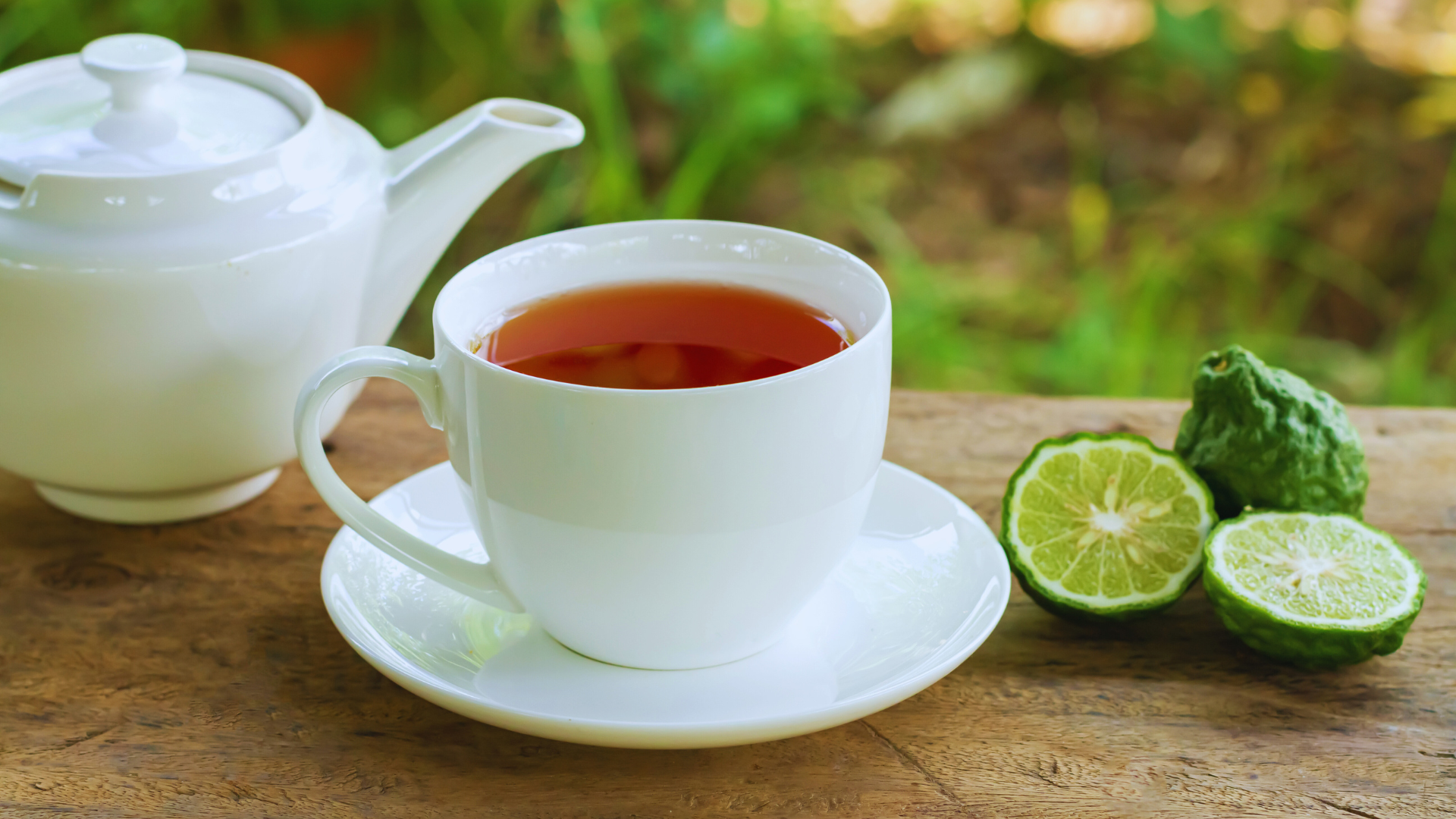
In the realm of healthful beverages, Earl Grey tea stands as a low-calorie elixir that combines the robust nutrition of black tea with the citrusy essence of bergamot oil, offering a spectrum of vitamins, minerals, and antioxidants with virtually no caloric burden. Brewed from oxidized Camellia sinensis leaves scented with Citrus bergamia extract, this iconic blend provides hydration alongside micronutrients that support immunity, heart health, and metabolism—all in a near-zero-calorie package. As consumers seek nutrient-dense drinks without the sugar crash of sodas, Earl Grey’s profile—rich in polyphenols, modest in fluoride, and sparse in vitamins—positions it as a smart daily staple. This article breaks down its nutritional components, from trace vitamins to essential minerals, while addressing brewing impacts and comparisons, equipping tea lovers on onotea.com with knowledge to maximize benefits from every steeped cup.
All About Earl Grey: History, Composition, and Base Ingredients
Earl Grey tea, named after the 19th-century British Prime Minister Charles Grey, traces its roots to a legendary gift from a Chinese diplomat or a practical flavoring for hard water, emerging as a staple by the 1830s. At its core, it’s black tea—fully oxidized leaves from Camellia sinensis, typically sourced from India, China, or Sri Lanka—infused with bergamot essential oil from the rare Citrus bergamia fruit, cultivated almost exclusively in Italy’s Calabria region. This oil, cold-pressed from the rind, imparts the signature citrus-floral aroma without adding significant bulk.
Compositionally, a standard 8-ounce cup (240 ml) of brewed Earl Grey contains negligible calories (about 2), derived minimally from trace carbohydrates in the tea leaves. The black tea base delivers polyphenols like theaflavins and thearubigins (50-100 mg per cup), potent antioxidants formed during oxidation. Bergamot contributes flavonoids such as naringin and neohesperidin, enhancing the tea’s anti-inflammatory potential. Caffeine hovers at 40-60 mg, providing gentle stimulation, while L-theanine (around 20 mg) promotes calm focus.
Historically, tea’s nutritional value was recognized in ancient China for digestive and invigorating effects, evolving into Earl Grey’s refined profile through British trade. Variations like decaf (under 5 mg caffeine) or organic blends preserve these nutrients without pesticides. For onotea.com enthusiasts, loose-leaf Earl Grey maximizes extraction, yielding a nutrient-dense brew free from tea bag additives.
Vitamins in Earl Grey: Trace Amounts and Antioxidant Synergies
Earl Grey’s vitamin content is modest, primarily from the black tea base, as bergamot oil adds flavor rather than substantial micronutrients. Key vitamins include traces of vitamin C (ascorbic acid, 0.1-0.3 mg per cup), an antioxidant that supports collagen formation and immunity, though diminished by oxidation in black tea processing. Vitamin K, vital for blood clotting and bone health, appears in minute quantities (under 1 mcg), derived from residual catechins. B vitamins, such as riboflavin (B2, 0.01-0.02 mg) and niacin (B3, 0.1 mg), contribute to energy metabolism, with black tea’s fermentation enhancing bioavailability.
Bergamot’s flavonoids act as vitamin-like antioxidants, mimicking vitamin E’s protective effects against oxidative stress, potentially reducing cellular damage by 15-20% in vitro studies. While not a vitamin powerhouse like citrus juices (e.g., orange juice’s 50 mg vitamin C), Earl Grey’s synergies—polyphenols recycling vitamin C—amplify efficacy. Brewing longer (3-5 minutes) extracts more, but over-steeping leaches water-soluble vitamins.
In context, these traces support daily needs minimally—e.g., 1% DV for vitamin C—but compound with diet for holistic benefits.
Minerals in Earl Grey: Fluoride, Manganese, and Beyond
Earl Grey shines in mineral delivery, particularly fluoride and manganese from the black tea infusion. Fluoride, averaging 0.3-0.5 mg per cup, strengthens tooth enamel and bones, with black tea surpassing green varieties due to soil uptake in growing regions. This meets 10-15% of daily needs (3-4 mg), aiding cavity prevention without fluorosis risks at moderate intake. Manganese (0.2-0.4 mg) supports enzyme function and antioxidant defenses, contributing 10-20% DV and synergizing with polyphenols for metabolic health.
Potassium (10-20 mg) regulates fluid balance, while magnesium (2-5 mg) aids nerve function—traces that accumulate over multiple cups. Bergamot adds negligible minerals but enhances absorption via flavonoids. Compared to water (zero minerals), Earl Grey provides a mineralized hydration boost, with hard water brewing increasing calcium traces.
A minerals table per 8-oz cup:
| Mineral | Amount (mg) | % Daily Value | Key Benefit |
|---|---|---|---|
| Fluoride | 0.3-0.5 | 10-15% | Bone/teeth strength |
| Manganese | 0.2-0.4 | 10-20% | Antioxidant support |
| Potassium | 10-20 | 0.3-0.5% | Electrolyte balance |
| Magnesium | 2-5 | 0.5-1% | Muscle/nerve function |
These elements make Earl Grey a subtle mineral source in a balanced diet.
Caloric Content and Macronutrients: Low-Energy Elegance
Earl Grey is a caloric whisper, clocking in at 0-2 calories per cup, primarily from negligible carbohydrates (0.5 g) in tea solids. Unsweetened, it contains no fats, proteins, or sugars, making it ideal for weight management—far below coffee’s 2-5 calories or sodas’ 140. Add-ins like milk (30 calories) or honey (20) elevate it, but plain brews support intermittent fasting or low-carb diets.
Macronutrients are absent, but fiber traces (0.1 g) from leaves aid mild digestion. This profile—high-volume, low-energy—promotes satiety without calories, with studies linking tea to slight metabolic boosts via catechins.
Health Implications: How Nutrients Contribute to Wellness
Earl Grey’s profile supports multifaceted health. Antioxidants combat oxidative stress, reducing chronic disease risk by 10-20% in habitual drinkers. Fluoride bolsters skeletal integrity, while manganese aids blood sugar control. Low calories aid weight loss, with bergamot flavonoids potentially lowering cholesterol. B vitamins enhance energy, and vitamin C traces fortify immunity.
Cautions: Tannins may hinder iron absorption; limit to 3-4 cups for caffeine-sensitive individuals.
Brewing and Preparation: Optimizing Nutrient Extraction
Optimal brewing extracts maximum nutrition: Use 1 tsp loose-leaf per 8 oz, steep 3-5 minutes in 195-205°F water. Filtered water preserves minerals; avoid boiling to retain volatiles. Loose-leaf outperforms bags for polyphenol yield (up to 20% more). Iced versions retain nutrients if cold-brewed 12 hours.
Comparison to Other Teas: Earl Grey in Context
Versus green tea (higher catechins, similar calories), Earl Grey’s oxidation yields more theaflavins for heart benefits. Herbal teas lack caffeine but match low calories; oolong bridges with moderate minerals. A comparison table:
| Tea Type | Calories (8 oz) | Key Vitamins/Minerals | Unique Trait |
|---|---|---|---|
| Earl Grey | 0-2 | Fluoride (0.4 mg), Mn (0.3 mg) | Bergamot flavonoids |
| Green Tea | 0-2 | Vit C (0.2 mg), catechins | Higher antioxidants |
| Oolong | 0-2 | Mg (3 mg), K (15 mg) | Partial oxidation |
| Herbal (Chamomile) | 0 | Trace minerals | Caffeine-free calm |
Earl Grey excels in balanced, flavorful nutrition.
Conclusion: Sipping Nutrition with Earl Grey Elegance
Earl Grey’s nutritional profile—trace vitamins, vital minerals, and zero-calorie grace—makes it a wellness ally, blending flavor with subtle fortification. From fluoride’s bone support to polyphenols’ protection, it nourishes without excess. Incorporate it mindfully on onotea.com for a healthier, hydrated routine.
