
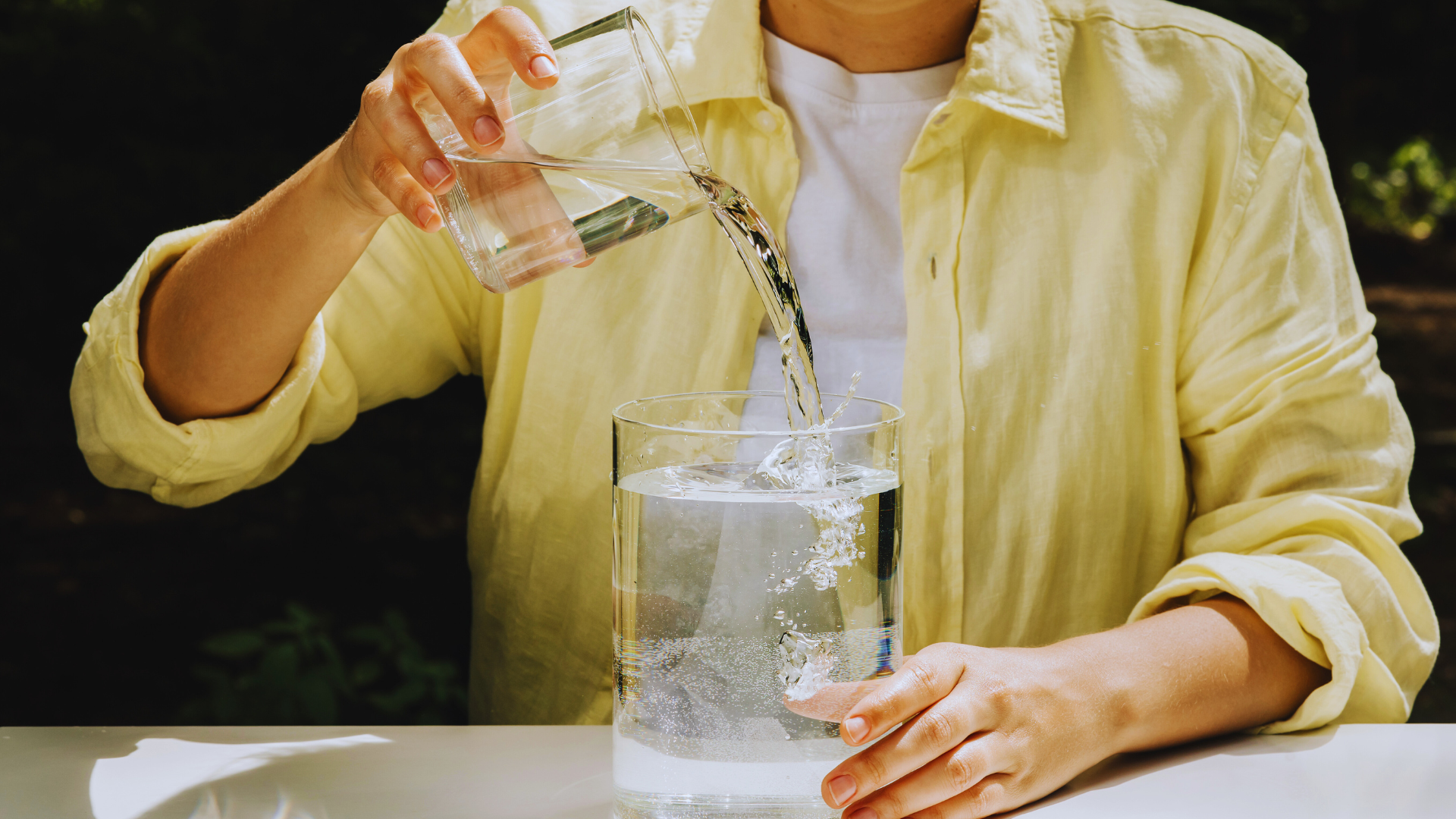
Earl Grey tea, renowned for its elegant fusion of black tea and bergamot citrus notes, demands more than quality leaves for perfection—water quality is paramount. Named after Charles Grey, the 2nd Earl Grey and British Prime Minister in the 1830s, this blend’s subtle floral and zesty profile can be enhanced or diminished by the water used. Factors like pH, mineral content, and filtration directly influence extraction, aroma release, and overall taste, turning a simple brew into a sophisticated experience. In an age where tea connoisseurs seek optimal flavor, understanding water optimization aligns with broader trends in artisanal brewing and wellness.
Water constitutes over 99% of a cup of tea, acting as the solvent that extracts compounds from leaves, including tannins, catechins, and the volatile bergamot oils that define Earl Grey. Poor water can lead to flat, bitter, or cloudy infusions, while optimized water yields clarity, brightness, and balance. This article explores pH’s impact on acidity, minerals’ role in flavor modulation, and effective filtration methods to achieve ideal brewing conditions. Drawing from scientific insights and practical tips, we will guide you through customizing water for Earl Grey, whether using tap, bottled, or treated sources. By mastering these elements, enthusiasts can elevate their daily ritual, blending tradition with precision for a brew that honors Earl Grey’s refined heritage.
As global tea consumption surges, with black teas like Earl Grey leading preferences, optimizing water not only improves taste but also maximizes health benefits, such as antioxidants from properly extracted polyphenols.
Understanding pH: The Acidity Balance for Ideal Extraction
pH, a measure of water’s acidity or alkalinity on a scale of 0-14, profoundly affects Earl Grey’s flavor profile. Neutral water, with a pH close to 7, is ideal for brewing, allowing balanced extraction of bergamot’s citrus notes and black tea’s robustness without overpowering bitterness or dullness. Water below pH 6 becomes overly acidic, potentially softening the tea’s body and muting aromas, while above 8.5, it can flatten flavors and create scum from mineral reactions.
For Earl Grey, aim for a pH of 6-8, as this range preserves the tea’s natural acidity (brewed pH around 4.5-6) without interference. Acidic water enhances brightness but may extract excess tannins, leading to astringency, whereas alkaline water hinders polyphenol release, resulting in a lackluster cup. Studies on tea infusion show neutral pH promotes optimal volatile compound volatility, crucial for bergamot’s floral-citrus burst.
Testing pH is straightforward: use strips or digital meters on your source water. Tap water often varies by region—hard water areas may skew alkaline due to limestone. Adjust by adding citric acid (from lemon) for slight acidification or baking soda for alkalinity correction, but sparingly to avoid altering taste. In practice, slightly acidic water (pH 6.5-7) brightens Earl Grey’s bergamot, mimicking the tea’s historical adaptation to variable English waters. This balance ensures the tea’s signature elegance shines through, free from off-notes.
The Impact of Minerals: Enhancing or Hindering Flavor
Minerals in water—such as calcium, magnesium, sodium, and bicarbonate—act as flavor modulators in Earl Grey brewing, influencing extraction efficiency and mouthfeel. Low mineral content, or soft water, is generally preferred for tea, as it allows clean, vibrant flavors to emerge without interference. High mineral levels (hard water) can bind to tea compounds, causing cloudiness, scum formation, and a metallic or bitter aftertaste.
Calcium and magnesium, key hardness contributors, react with tea polyphenols to form insoluble complexes, dulling bergamot’s zest and flattening the black tea base. Ideal hardness for tea is 1-4 grains per gallon (17-68 ppm), promoting clarity and briskness. Excessive minerals (over 150 ppm TDS—total dissolved solids) impart a chalky taste, masking Earl Grey’s subtlety, while very low TDS (under 50 ppm) results in bland, weak brews lacking depth.
Sodium softens water but can add a salty edge if high, while bicarbonate buffers pH, potentially making tea flat in alkaline sources. Research indicates lower-mineral waters, like mountain springs, yield superior flavor profiles, with enhanced aroma release from bergamot volatiles. For Earl Grey, minerals should complement rather than compete—trace amounts enhance body, but excess hinders the tea’s natural astringency and citrus lift.
To assess minerals, use TDS meters or home kits. Regional variations matter: UK hard water often requires treatment for optimal Earl Grey, echoing historical blends designed to counter lime-rich sources. By minimizing disruptive minerals, brewers can achieve a harmonious cup where bergamot’s perfume and tea’s maltiness coexist perfectly.
Filtration Techniques: Purifying Water for Purity and Balance
Filtration is a cornerstone of water optimization for Earl Grey, removing impurities while preserving beneficial elements. Common methods include activated carbon filters, reverse osmosis (RO), ion exchange softeners, and simple jug filters, each tailored to address specific issues like chlorine, hardness, or contaminants.
Activated carbon filters, found in pitcher systems like Brita, excel at eliminating chlorine and organic compounds that cause off-flavors, without stripping all minerals. Ideal for tap water, they maintain a neutral pH and low TDS, enhancing Earl Grey’s clarity and bergamot aroma. Japanese bamboo charcoal offers a natural alternative, absorbing odors and softening water subtly.
Reverse osmosis provides thorough purification, removing up to 99% of minerals and contaminants through a semi-permeable membrane, resulting in near-distilled water. While effective for hard water areas, it can produce bland tea unless remineralized with a pinch of salt or gypsum to restore trace elements. RO is best for precise control, but over-purification risks muting Earl Grey’s complexity.
Ion exchange softeners swap calcium and magnesium for sodium, reducing hardness and scum but potentially adding salinity. Suitable for very hard water, they pair well with Earl Grey by preventing bitterness, though monitoring sodium is key for health.
For simplicity, filter kettles or under-sink systems combine carbon and resin for balanced filtration. Avoid distilled water outright, as its zero minerals yield flat flavors. Advanced techniques, like adding minerals post-filtration (e.g., Himalayan salt for trace elements), customize water to mimic ideal spring sources. Regular filter replacement ensures efficacy, preventing bacterial buildup.
Brewing Practices: Integrating Optimized Water
Optimal water shines in brewing: use fresh, oxygenated water (freshly drawn to retain dissolved oxygen for better extraction). For Earl Grey, heat to 95-100°C, as boiling enhances bergamot volatility without scorching leaves. Steep 3-5 minutes for loose-leaf, adjusting for water hardness—softer water may require longer for full flavor.
Pre-warm vessels to maintain temperature, and experiment with ratios: 1 tsp tea per 8 oz water. In hard water regions, filtration precedes brewing to avoid scum. For iced Earl Grey, use double-strength brews with filtered water to preserve citrus notes.
Regional Considerations and Sustainability
Water optimization varies globally: in the UK, combat hardness with softeners; in soft-water areas like Scotland, minimal filtration suffices. Sustainability favors reusable filters over bottled water, reducing plastic waste while maintaining quality.
Home testing kits empower personalization, ensuring Earl Grey reflects local adaptations.
Advanced Optimization: Remineralization and Experiments
For ultra-pure filtered water, remineralize with drops of mineral solutions to achieve 50-100 ppm TDS, enhancing body. Blind tastings compare sources, refining preferences.
Incorporate pH buffers or natural additives like lemon for acidity tweaks, but test incrementally.
Health Implications of Optimized Water
Beyond taste, optimized water maximizes Earl Grey’s antioxidants, with neutral pH aiding polyphenol absorption. Low-mineral water reduces heavy metal intake from prolonged brewing.
Conclusion: Crafting the Perfect Brew
Optimizing water for Earl Grey through pH balance, mineral control, and filtration transforms an everyday tea into an exquisite delight. By selecting neutral, low-mineral water and employing effective techniques, brewers unlock bergamot’s full potential. This pursuit blends science and art, honoring Earl Grey’s legacy while inviting personal innovation in every cup.
