
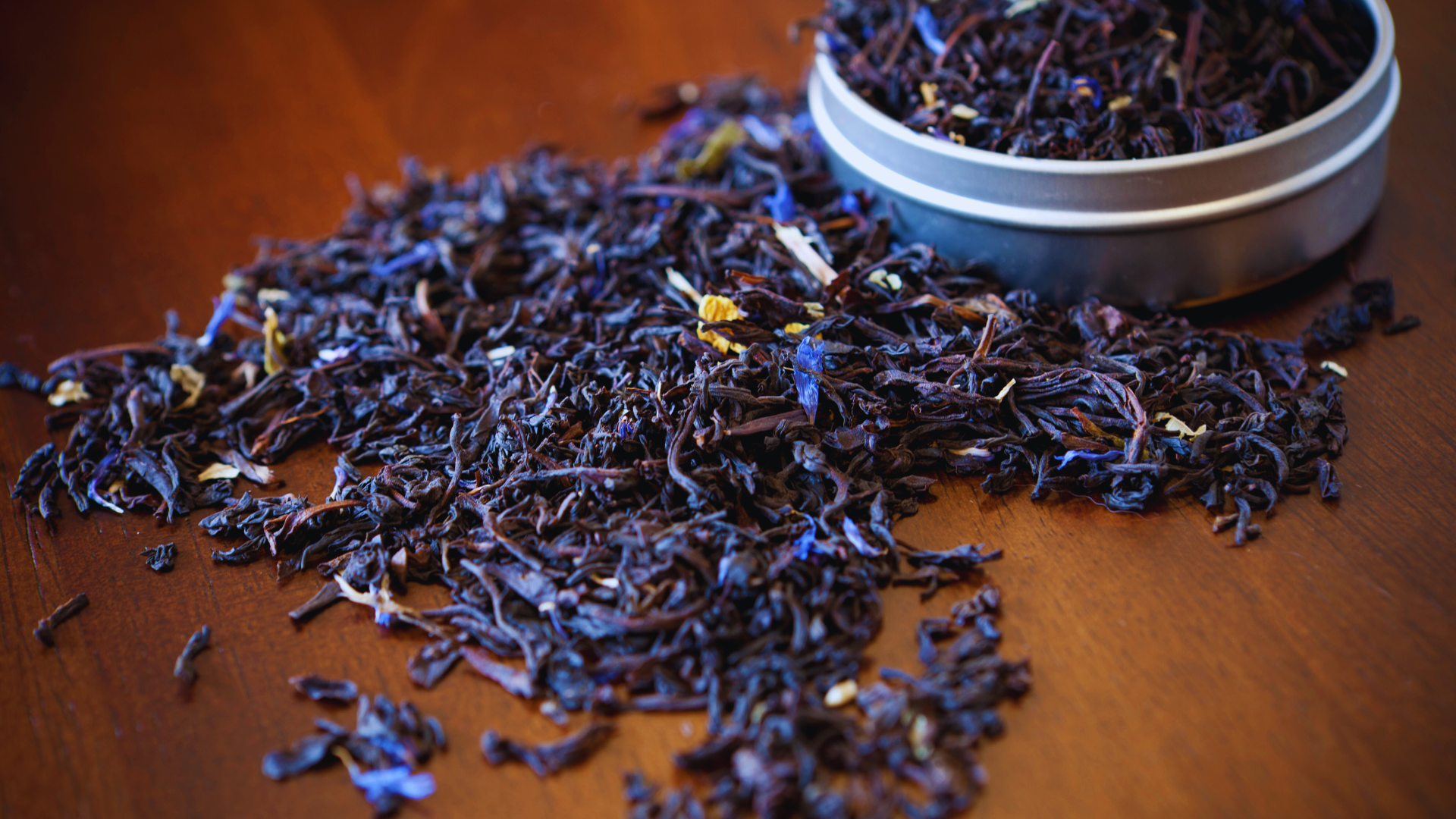
Earl Grey tea, a timeless favorite blending black tea with the aromatic essence of bergamot oil, traditionally relies on multi-origin components for consistency. However, the rise of single-origin Earl Grey—using tea leaves from a specific estate or region—highlights terroir’s profound influence on flavor, offering nuanced taste profiles that reflect unique environmental factors. Named after Charles Grey, the 2nd Earl Grey and British Prime Minister in the 1830s, the tea’s creation is often romanticized as a diplomatic gift from China or an adaptation to suit England’s mineral-rich waters. In single-origin versions, terroir—the interplay of soil, climate, altitude, and topography—elevates the black tea base, while bergamot’s own origins add layers of citrus complexity.
Terroir, a concept borrowed from winemaking, shapes tea’s character much like it does grapes, resulting in distinct sensory experiences from one harvest to another. For Earl Grey, this means variations in maltiness, brightness, or earthiness in the tea base, harmonized with bergamot’s floral tang. As artisanal tea culture grows, with single-origin options appealing to connoisseurs seeking authenticity, understanding terroir reveals why a Yunnan-sourced Earl Grey might taste bolder than one from Darjeeling. Recent trends, including sustainable farming and estate-specific labeling, underscore this shift, with premium single-origin blends commanding higher prices. This article explores terroir’s role in single-origin Earl Grey, examining the black tea base, bergamot’s influence, notable examples, taste impacts, challenges, and future directions. By spotlighting these elements, we uncover how environmental specificity transforms a classic blend into a terroir-driven masterpiece, inviting deeper appreciation for each cup.
In an era where consumers prioritize traceability and uniqueness, single-origin Earl Grey exemplifies how local conditions craft global flavors, bridging tradition with terroir-driven innovation.
Understanding Terroir in Tea Production
Terroir encompasses the environmental and human factors that impart distinctive qualities to agricultural products, from soil minerals and microclimates to cultivation practices. In tea, it influences the Camellia sinensis plant’s biochemistry, affecting leaf chemistry, aroma volatiles, and infusion character. For black tea—the backbone of Earl Grey—terroir determines tannin levels, sweetness, and body, which bergamot oil then complements or contrasts. High-altitude regions like Darjeeling yield brisk, floral notes due to cooler temperatures slowing growth and concentrating flavors, while lowland Assam produces robust, malty profiles from humid, fertile soils.
Single-origin Earl Grey amplifies terroir by sourcing the black tea from one estate, avoiding blends that homogenize tastes. This purity allows bergamot—typically from Calabria’s Ionian coast, with its calcareous soils and mild winters—to interact uniquely with the base. Calabrian terroir imparts bergamot’s signature linalyl acetate and limonene balance, but variations in harvest timing or microclimates can subtly shift oil potency. Human elements, like orthodox processing (hand-rolling for flavor retention), further express terroir, distinguishing single-origin from mass-produced blends.
Research emphasizes terroir’s role: a 2023 study on Chinese teas found altitude variations altering catechin profiles by 20-30%, directly impacting mouthfeel and aftertaste in flavored blends like Earl Grey. For enthusiasts, this means tasting the landscape—volcanic soils adding minerality or misty hills contributing freshness—elevating Earl Grey beyond uniformity.
The Black Tea Base: Terroir Variations in Single-Origin Earl Grey
The black tea base in single-origin Earl Grey is where terroir most vividly shapes taste, as regional differences create diverse foundations for bergamot’s overlay. Assam, from India’s Brahmaputra Valley, offers a bold, malty profile due to its alluvial soils and monsoon rains, resulting in high-theaflavin teas with brisk astringency. In single-origin Earl Grey from Assam estates like Halmari, the robust body stands up to bergamot’s citrus, yielding a full-bodied brew with caramel undertones and a lingering spice—ideal for milk additions that temper the malt.
Darjeeling, dubbed the “Champagne of teas,” from Himalayan foothills, imparts a lighter, muscatel flavor from high-altitude (1,500-2,000m) cool mists and loamy soils, producing nuanced, grape-like notes. Single-origin Earl Greys like those from Margaret’s Hope estate feature delicate florals that blend seamlessly with bergamot, creating an elegant, perfumed cup with subtle astringency—best enjoyed plain to appreciate the terroir-driven finesse.
Ceylon (Sri Lanka) teas from the central highlands, with red clay soils and equatorial rains, deliver bright, coppery infusions with honeyed sweetness. In variants from estates like Pekoe Trail, the crispness enhances bergamot’s zest, resulting in a lively, citrus-forward Earl Grey with minimal bitterness. Yunnan Province in China, with its ancient tea trees and misty mountains, contributes smoky, earthy depths; single-origin Dianhong-based Earl Greys, as from Onyx Coffee Lab, offer a velvety richness where bergamot adds exotic fruit notes.
These bases illustrate terroir’s spectrum: lowland robustness versus highland delicacy, each altering how bergamot integrates for unique taste journeys.
Bergamot’s Terroir: The Calabrian Influence and Beyond
While the tea base varies, bergamot’s terroir is more uniform, centered in Calabria’s coastal hills, where Ionian Sea breezes, volcanic soils, and 600-800mm annual rainfall foster optimal oil production. This environment yields bergamot with balanced limonene (fresh citrus) and linalyl acetate (floral sweetness), essential for Earl Grey’s harmony—oils from Reggio Calabria command premiums for their purity.
Micro-terroir variations within Calabria, like higher-elevation groves near Aspromonte, produce slightly spicier oils due to cooler nights, adding complexity to single-origin Earl Greys. Emerging alternatives, such as Ivory Coast plantations, yield earthier profiles from tropical soils, potentially muting florals in blends. A 2024 analysis noted Calabrian bergamot’s superior volatile retention, enhancing single-origin teas’ authenticity over global substitutes.
In single-origin Earl Grey, bergamot’s terroir acts as a fixed accent, allowing the tea base’s variations to shine while ensuring citrus cohesion.
Taste Profiles: How Terroir Shapes the Sensory Experience
Terroir’s impact manifests in multifaceted taste profiles, where environmental nuances create distinctive Earl Grey expressions. Assam-based versions exhibit deep malt and honey from fertile plains, with bergamot providing a sharp citrus counterpoint—resulting in a bold, comforting brew suited for breakfast rituals. Tasters note a caramelized edge, amplified by humid terroir’s robust oxidation.
Darjeeling single-origins deliver a lighter, perfumed cup: muscatel florals from misty highlands mingle with bergamot for an ethereal, jasmine-like lift, with minimal astringency for nuanced sipping. Ceylon’s bright copper notes from highland rains yield a lively, orange-zested vibrancy, where terroir’s mineral soils add a clean finish.
Yunnan’s ancient trees impart smoky depth, transforming Earl Grey into a contemplative brew with bergamot’s fruit evoking ripe peaches—terroir’s misty forests lending an almost oolong-like subtlety. Across profiles, bergamot unifies, but terroir dictates intensity: bold bases demand stronger oils, while delicate ones require subtlety to avoid overpowering. Sensory evaluations confirm these differences, with single-origin teas scoring higher in complexity due to unblended terroir expression.
Notable Examples of Single-Origin Earl Grey
Artisanal producers exemplify terroir’s role. Jing Tea’s Assam Earl Grey showcases Brahmaputra Valley boldness, with rich soils yielding malty depth balanced by Calabrian bergamot for a full-bodied elegance. Onyx Coffee Lab’s Yunnan Dianhong Earl Grey highlights misty mountain smokiness, where high-altitude terroir adds velvet texture and subtle fruit, elevating bergamot’s citrus to exotic heights.
Wanderstate Mercantile’s single-origin from undisclosed estates emphasizes traceability, with terroir-driven notes of honey and spice harmonizing bergamot for a velvety sip. Het Kleinste Huis offers Darjeeling variants, capturing Himalayan florals for a refined, perfumed profile. These examples illustrate how terroir crafts bespoke Earl Greys, appealing to palates seeking specificity over standardization.
Challenges in Single-Origin Production and Terroir Preservation
Producing single-origin Earl Grey presents challenges, including climate variability threatening terroir consistency—rising temperatures in Assam could mellow maltiness, while Calabria’s droughts dilute bergamot oils. Small-scale estates face economic pressures, limiting scalability and raising prices 20-50% over blends. Sourcing authentic bergamot remains tricky amid global supply issues, potentially compromising terroir purity.
Preservation efforts include sustainable farming and certifications like PDO for Calabrian bergamot, ensuring terroir integrity. Blenders must navigate seasonal fluctuations, sometimes resulting in limited editions that celebrate vintage terroir.
The Future of Terroir-Driven Single-Origin Earl Grey
Looking ahead, terroir-focused Earl Grey will evolve with climate-resilient cultivars and expanded single-estate sourcing, potentially from new regions like Nepal for highland parallels to Darjeeling. Consumer demand for storytelling—labels detailing terroir—will drive innovation, with blockchain traceability ensuring authenticity. As sustainability rises, organic single-origins may dominate, preserving unique tastes amid homogenization threats.
Conclusion: Tasting the Terroir in Every Sip
Single-origin Earl Grey illuminates terroir’s transformative power, where regional soils, climates, and altitudes craft diverse taste symphonies—from Assam’s bold malt to Darjeeling’s floral finesse, all elevated by Calabrian bergamot. Examples like Jing and Onyx showcase this artistry, offering connoisseurs nuanced experiences beyond blends. Despite challenges, terroir’s preservation ensures Earl Grey’s future as a landscape in a cup, inviting exploration of flavor’s environmental roots.
