
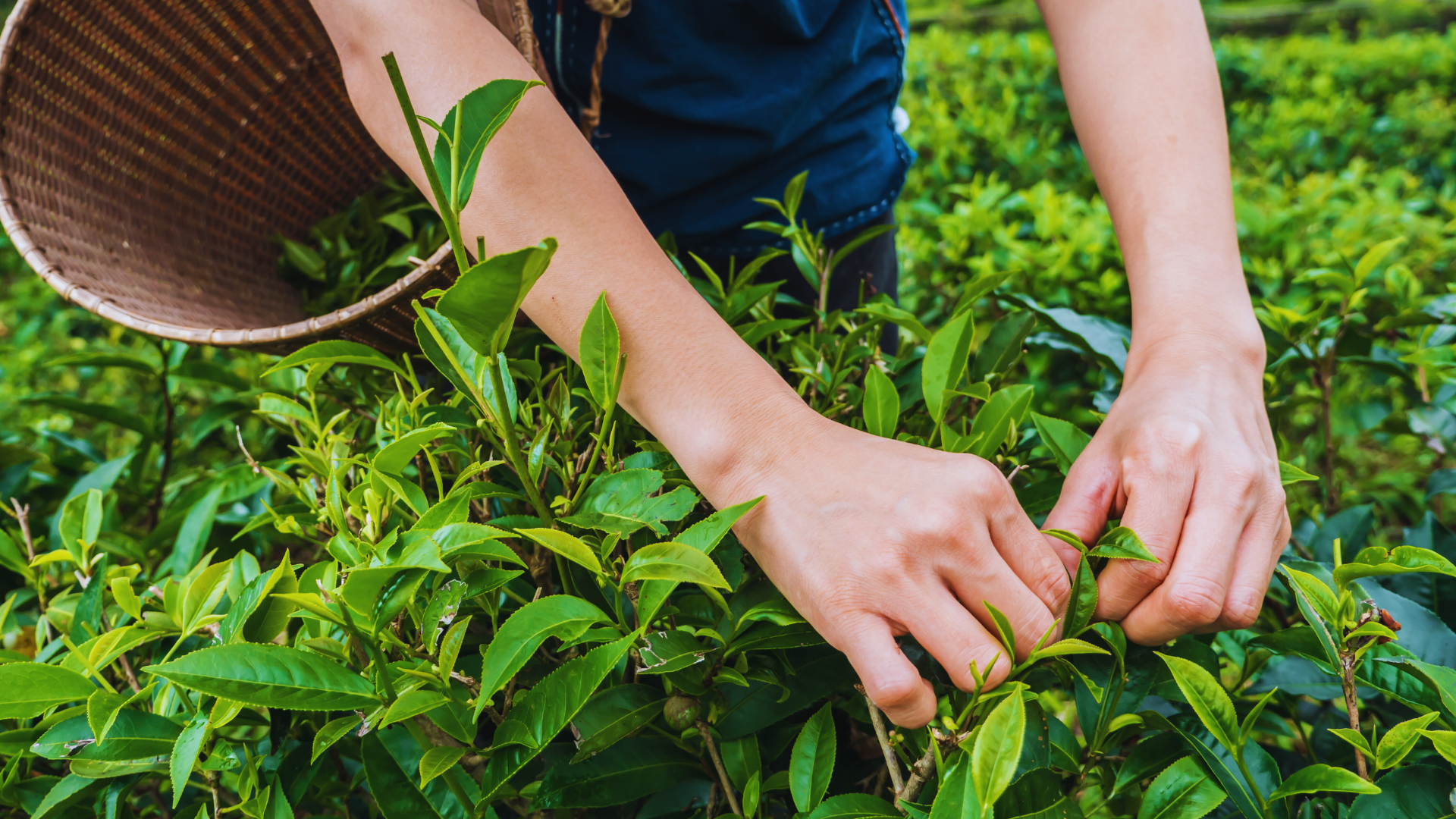
Earl Grey tea, celebrated for its aromatic blend of black tea and bergamot oil, is a global favorite, cherished for its bold flavor and citrusy elegance. However, the journey from tea leaf to teacup involves complex agricultural and economic systems that impact the environment and communities worldwide. As consumer awareness grows, the demand for sustainable and ethically sourced Earl Grey has surged, prompting tea producers to rethink their practices. Sustainability in tea production ensures environmental preservation, while ethical sourcing prioritizes fair wages and safe working conditions for farmers and laborers. Together, these principles safeguard the future of this beloved beverage while respecting the planet and its people.
The production of Earl Grey involves two key components: black tea, typically sourced from regions like India, Sri Lanka, or China, and bergamot, a citrus fruit primarily grown in Calabria, Italy. Both face environmental and social challenges, from pesticide use and deforestation to low wages and labor exploitation. This article explores the importance of sustainability and ethical sourcing in Earl Grey production, examining the environmental impact of tea and bergamot farming, the social dynamics of the supply chain, and actionable steps for consumers to support responsible practices. By understanding these issues, tea lovers can make informed choices that align with their values, ensuring Earl Grey remains a guilt-free pleasure.
The Environmental Impact of Tea Production
Tea production, particularly for black tea used in Earl Grey, has significant environmental implications. Tea is grown in monoculture plantations in regions like Assam (India), Sri Lanka, and Kenya, where large-scale farming can strain ecosystems. Key environmental challenges include:
- Deforestation and Land Use: Clearing forests for tea plantations reduces biodiversity and disrupts habitats. In Assam, for instance, tea estates have replaced native forests, threatening species like the Indian elephant.
- Soil Degradation: Intensive farming depletes soil nutrients, requiring chemical fertilizers that can pollute waterways. Over time, soil erosion reduces land productivity, impacting long-term yields.
- Water Usage: Tea plants require significant water, and irrigation in dry regions can strain local water supplies. Runoff from fertilizers and pesticides further contaminates rivers and groundwater.
- Carbon Footprint: Tea processing—withering, rolling, and drying—relies on energy-intensive machinery, often powered by fossil fuels. Transporting tea globally adds to emissions.
Sustainable practices can mitigate these issues. Organic farming avoids synthetic chemicals, preserving soil health and water quality. Agroforestry, integrating trees into plantations, enhances biodiversity and sequesters carbon. Water-efficient irrigation systems, like drip irrigation, reduce waste. Certifications like Rainforest Alliance and USDA Organic ensure adherence to these standards, making it easier for consumers to choose eco-friendly Earl Grey blends.
Bergamot Cultivation: A Mediterranean Challenge
Bergamot, the citrus fruit that defines Earl Grey’s flavor, is primarily grown in Calabria, Italy, where over 80% of the world’s supply originates. The fruit’s cultivation faces unique environmental challenges due to its specific growing conditions and labor-intensive harvest:
- Climate Sensitivity: Bergamot thrives in Calabria’s coastal microclimate, with mild winters and hot summers. Climate change, bringing erratic rainfall and temperature spikes, threatens yields. Droughts stress trees, while heavy rains cause root rot.
- Soil and Water Management: Bergamot groves require well-drained, volcanic soil, but intensive farming can lead to erosion. Over-irrigation depletes local water resources, especially in dry seasons.
- Pesticide Use: While bergamot is naturally pest-resistant, some growers use pesticides to maximize yields, risking soil and water contamination. Organic bergamot farming, though costlier, avoids these issues.
- Energy in Processing: Extracting bergamot oil via cold-pressing is energy-intensive, and improper waste disposal (e.g., fruit pulp) can pollute local ecosystems.
Sustainable bergamot farming emphasizes organic methods, water conservation, and renewable energy for processing. Small-scale, family-run groves in Calabria often adopt these practices, but scaling them requires investment and consumer support. Choosing Earl Grey with organic, Calabrian-sourced bergamot supports these efforts.
Social and Ethical Challenges in Tea Production
The tea industry, including Earl Grey production, relies heavily on labor in developing countries, where social issues like low wages, poor working conditions, and gender inequality persist. Key challenges include:
- Low Wages and Poverty: Tea pluckers, often women, earn minimal wages—sometimes as low as $2–$3 per day in regions like Assam or Sri Lanka. This perpetuates poverty, limiting access to education and healthcare.
- Unsafe Working Conditions: Workers face exposure to pesticides, long hours in harsh weather, and inadequate safety gear. Child labor, though declining, remains a concern in some regions.
- Gender Disparities: Women dominate tea plucking but often lack leadership roles or fair pay. Empowerment programs are critical but underfunded.
- Community Impact: Tea estates can strain local resources, like water or housing, affecting surrounding communities.
Ethical sourcing addresses these through fair-trade certifications, which guarantee minimum wages, safe conditions, and community reinvestment. Fairtrade International and Ethical Tea Partnership (ETP) set standards for worker welfare, ensuring benefits like schools or medical clinics. Brands adopting these certifications, such as Twinings or Pukka, help improve livelihoods in tea-growing regions.
Ethical Sourcing of Bergamot
Bergamot farming in Calabria, while less labor-intensive than tea, has its own ethical challenges. Most bergamot is grown by small family farms, which face economic pressures from global markets and intermediaries:
- Economic Vulnerability: Farmers receive a fraction of the final price for bergamot oil, as middlemen take significant cuts. Low profits discourage sustainable practices.
- Seasonal Labor: Harvesting (November–March) relies on seasonal workers, who may face unstable employment and low wages.
- Market Volatility: Fluctuating demand for bergamot oil, used in perfumes and tea, affects farmers’ income stability.
Ethical sourcing initiatives, like direct trade with Calabrian cooperatives, ensure farmers receive fair prices. Certifications like Fairtrade or organic labels promote transparency and support small-scale growers. Consumers can prioritize brands that partner directly with Calabrian producers, ensuring ethical bergamot sourcing.
Certifications and Standards for Sustainability
Certifications guide consumers toward sustainable and ethical Earl Grey. Key ones include:
- Rainforest Alliance: Ensures environmental protection, biodiversity, and fair labor practices in tea production. Certified estates use fewer pesticides and support worker welfare.
- Fairtrade International: Guarantees fair wages, safe conditions, and community benefits for tea and bergamot farmers. It also promotes gender equity.
- USDA Organic/EU Organic: Prohibits synthetic pesticides and fertilizers, preserving soil and water quality for both tea and bergamot.
- Ethical Tea Partnership (ETP): Focuses on improving labor conditions and sustainability in tea supply chains.
These certifications, while not perfect, provide accountability. However, some brands engage in “greenwashing,” using vague terms like “natural” without certification. Check labels for specific seals and research brand practices to ensure authenticity.
Sustainable Practices in Tea and Bergamot Production
Producers are adopting innovative practices to enhance sustainability:
- Organic Farming: Avoiding synthetic chemicals preserves ecosystems. Organic tea estates in India and organic bergamot groves in Calabria reduce pollution and improve soil health.
- Agroforestry: Planting trees among tea bushes sequesters carbon, enhances biodiversity, and provides shade, reducing water needs.
- Water Conservation: Drip irrigation and rainwater harvesting minimize water waste in tea and bergamot cultivation.
- Renewable Energy: Solar or biomass energy for tea processing and bergamot oil extraction lowers carbon footprints.
- Waste Management: Composting tea waste or bergamot pulp reduces landfill use and enriches soil.
These practices require investment but yield long-term benefits, ensuring the viability of Earl Grey production. Consumer demand for certified products drives adoption.
The Role of Consumers in Promoting Sustainability
Consumers play a pivotal role in advancing sustainable and ethical Earl Grey production. By making informed choices, you can influence industry practices:
- Choose Certified Brands: Opt for Earl Grey with Rainforest Alliance, Fairtrade, or organic certifications. Brands like Harney & Sons or Fortnum & Mason often highlight ethical sourcing.
- Research Supply Chains: Look for transparency about tea and bergamot origins. Brands that specify “Calabrian bergamot” or “Assam tea” are more accountable.
- Support Small Producers: Artisanal tea companies or direct-trade bergamot suppliers prioritize sustainability and fair wages.
- Reduce Waste: Buy loose-leaf Earl Grey to minimize packaging, and compost used tea leaves.
- Advocate: Share information about ethical brands on social media or support campaigns for fair trade.
These actions create demand for responsible practices, encouraging producers to prioritize sustainability.
Challenges in Sustainable Earl Grey Production
Despite progress, challenges remain:
- Cost: Sustainable practices like organic farming or fair wages increase production costs, raising prices for consumers.
- Climate Change: Erratic weather affects tea and bergamot yields, threatening supply stability. Droughts in Calabria or floods in Assam disrupt harvests.
- Scalability: Small-scale sustainable practices are hard to scale for large brands, limiting widespread adoption.
- Certification Gaps: Some certifications overlook specific issues, like gender equity or local water rights, requiring consumer vigilance.
- Market Competition: Cheap, non-certified teas undercut sustainable brands, pressuring ethical producers.
Addressing these requires collaboration among producers, governments, and consumers to fund innovation and enforce standards.
Case Studies: Brands Leading the Way
Several brands exemplify sustainable and ethical Earl Grey production:
- Pukka Herbs: Certified Fair for Life and organic, Pukka sources tea from smallholder farms in India and Vietnam, emphasizing worker welfare and biodiversity.
- Numi Organic Tea: Uses Fairtrade-certified tea and organic Calabrian bergamot, with compostable packaging to reduce waste.
- Twinings: Partners with Rainforest Alliance for sustainable tea sourcing and supports community projects in tea-growing regions.
- Calabrian Cooperatives: Direct-trade bergamot suppliers like Consorzio del Bergamotto work with small farmers to ensure fair prices and organic practices.
These brands show that sustainability and quality can coexist, offering consumers flavorful, ethical Earl Grey.
Practical Tips for Choosing Sustainable Earl Grey
To select eco-friendly and ethical Earl Grey:
- Check Labels: Look for Rainforest Alliance, Fairtrade, or organic seals. Avoid vague terms like “natural flavor.”
- Prioritize Loose-Leaf: Reduces packaging waste and often ensures higher-quality tea and bergamot.
- Research Brands: Visit company websites for sourcing details. Transparent brands list tea origins and bergamot suppliers.
- Buy Local or Direct: Support tea companies or bergamot cooperatives that work directly with farmers.
- Brew Mindfully: Use reusable infusers and avoid over-steeping to maximize tea use and minimize waste.
These steps align your tea-drinking habits with sustainable values.
The Future of Sustainable Earl Grey Production
The future of Earl Grey production hinges on innovation and consumer advocacy. Emerging trends include:
- Regenerative Agriculture: Restoring soil health and biodiversity through cover crops and composting.
- Carbon-Neutral Processing: Using renewable energy for tea and bergamot oil production.
- Blockchain Transparency: Tracking tea and bergamot from farm to cup to ensure ethical sourcing.
- Climate-Resilient Crops: Developing tea and bergamot varieties resistant to climate change.
Consumer demand for transparency and sustainability will drive these changes, ensuring Earl Grey remains a viable, ethical choice.
Benefits of Sustainable and Ethical Earl Grey
Choosing sustainable Earl Grey offers multiple benefits:
- Environmental Health: Protects ecosystems, reduces pollution, and combats climate change.
- Social Equity: Improves livelihoods for tea and bergamot farmers, promoting fair wages and safe conditions.
- Quality: Sustainable teas often taste better, with natural bergamot oil enhancing flavor.
- Long-Term Supply: Ensures the availability of tea and bergamot for future generations.
These benefits make ethical Earl Grey a win for both people and the planet.
Conclusion
Sustainability and ethical sourcing are transforming Earl Grey tea production, addressing environmental and social challenges in tea and bergamot cultivation. By adopting organic farming, fair-trade practices, and water-efficient methods, producers can create a more responsible supply chain. Consumers play a critical role by choosing certified, transparent brands and advocating for change. From Calabria’s bergamot groves to Assam’s tea estates, sustainable Earl Grey production preserves the planet and supports communities while delivering the beloved citrusy flavor. Explore ethical blends on onotea.com and sip with purpose, knowing your cup supports a brighter future.
