
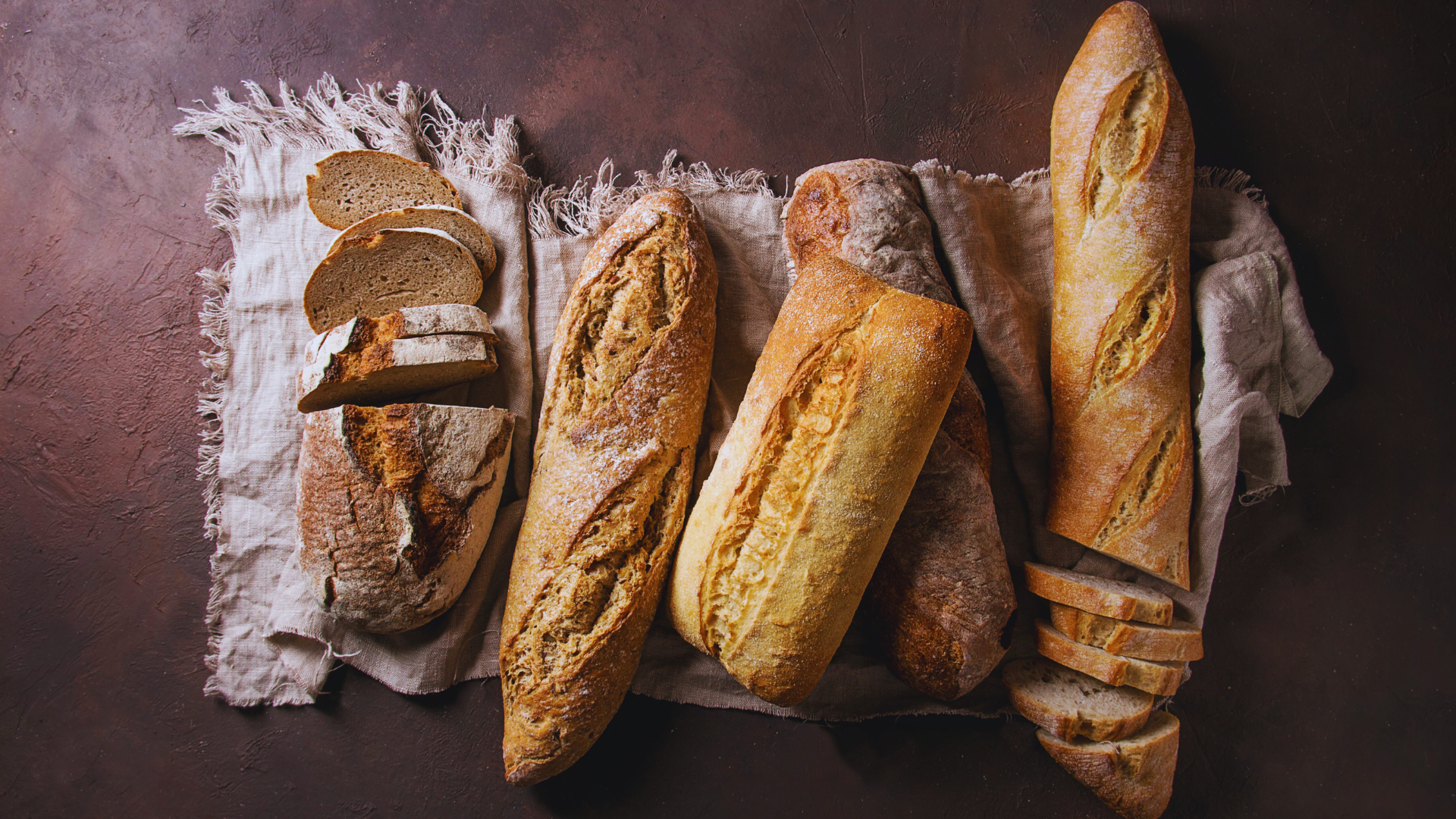
Earl Grey tea, with its signature blend of robust black tea and the aromatic essence of bergamot, has transcended its origins as a simple beverage to become a versatile element in culinary pairings. When matched with artisanal breads—those handcrafted loaves made with high-quality ingredients, slow fermentation, and traditional techniques—the result is a symphony of flavors that elevates both the tea and the bread. Artisanal breads, often featuring complex textures like chewy sourdoughs or nutty whole grains, provide a canvas for Earl Grey’s citrusy brightness and subtle floral notes to shine. This pairing art draws from sensory science, where complementary tastes and aromas create harmony on the palate.
In recent years, food enthusiasts and chefs have increasingly explored such combinations, blending the elegance of afternoon tea traditions with the rustic appeal of bakery crafts. Whether it’s a slice of fennel-infused loaf alongside a steaming cup or a fruit-studded tea bread that incorporates Earl Grey directly, these pairings offer endless possibilities for home cooks and professionals alike. This article delves into the nuances of pairing Earl Grey with artisanal breads, covering flavor profiles, principles, specific examples, and practical tips. Drawing from culinary experts and recipes, we’ll uncover how this classic tea can transform a simple snack into a gourmet experience. By the end, you’ll be equipped to experiment confidently, discovering pairings that delight the senses and perhaps even inspire your next baking adventure.
Understanding Earl Grey’s Flavor Profile
At its core, Earl Grey is a black tea flavored with oil from the bergamot orange, a citrus fruit native to Italy. This imparts a distinctive profile: bright, zesty citrus notes balanced by the malty, slightly astringent base of black tea, often from regions like Assam or Ceylon. The bergamot adds layers of floral and spicy undertones, reminiscent of lavender or orange blossom, making it versatile for pairings. Depending on the blend, Earl Grey can range from bold and robust to delicate and perfumed, influenced by factors like tea leaf quality and bergamot concentration.
In sensory terms, Earl Grey engages multiple aspects: Its aroma is uplifting and invigorating, while the taste offers a balance of bitterness from tannins, acidity from citrus, and subtle sweetness. When hot, the bergamot volatiles are more pronounced; iced versions highlight refreshing qualities. This complexity makes it ideal for artisanal breads, where the tea can contrast crunchy crusts, enhance nutty flavors, or complement fruity inclusions.
Variations abound: Lavender Earl Grey adds herbal depth, while green or rooibos-based versions soften the profile for lighter pairings. Understanding these nuances is key— a strong, traditional Earl Grey might overpower a delicate brioche, but pair perfectly with a hearty rye. Experts recommend tasting the tea solo first to identify dominant notes, then selecting breads that either echo or contrast them for balance.
The World of Artisanal Breads
Artisanal breads represent a return to traditional baking, emphasizing natural leavening, high-quality flours, and minimal processing. Unlike mass-produced loaves, these are often fermented with sourdough starters, resulting in tangy flavors, open crumb structures, and superior digestibility. Common types include sourdough, with its lactic acidity; baguettes, crisp and airy; ciabatta, holey and olive oil-infused; and whole grain varieties like multigrain or spelt, offering nutty earthiness.
What makes them perfect for pairing with Earl Grey? Their diverse flavor profiles—from sour and tangy to sweet and spiced—interact dynamically with the tea’s citrus elements. For instance, the fermentation process in sourdough produces organic acids that can mirror bergamot’s tang, creating synergy. Artisanal bakers often incorporate add-ins like fruits, nuts, or herbs, further expanding pairing options.
Globally, artisanal breads vary: Italian focaccia with rosemary, French pain au levain, or Scandinavian rye with caraway. Each brings cultural context to pairings, such as pairing a bergamot-scented tea with a Mediterranean olive bread for a thematic twist. Sourcing fresh, local artisanal breads enhances the experience, as their freshness preserves volatile aromas that complement Earl Grey’s scent.
Principles of Flavor Pairing
Effective pairing relies on principles from food science: complementarity, where similar flavors amplify each other; contrast, where opposites create excitement; and bridging, where a shared element ties them together. For Earl Grey and breads, bergamot’s citrus acts as a bridge, enhancing fruity or acidic notes in breads while contrasting richness.
Consider texture: The tea’s smooth liquidity pairs with bread’s chewiness, providing mouthfeel variety. Temperature matters too—hot tea with warm bread intensifies aromas via volatility. Acidity levels should balance; Earl Grey’s moderate pH (around 5-6) suits slightly acidic breads like sourdough but may need sweetening for neutrality.
Aroma matching is crucial: Bergamot’s floral-citrus profile aligns with breads featuring lemon zest, fennel, or lavender. Taste wheels, similar to those for wine, can guide: Pair Earl Grey’s “citrus” quadrant with bread’s “fruity” or “nutty” sectors. Experts suggest starting with simple pairings, noting personal preferences—some favor bold contrasts, others subtle harmonies.
Practical tips include brewing strength: Lighter steeps for delicate breads, stronger for robust ones. Additives like milk or lemon can alter the tea, making it creamier for buttery breads or brighter for plain loaves.
Classic Pairings: Sourdough and Beyond
Sourdough, with its tangy fermentation, is a classic match for Earl Grey. The bread’s lactic acid echoes bergamot’s citrus tang, creating a refreshing duo. Try a plain sourdough slice with hot Earl Grey for simplicity, or toast it with butter to add creaminess that softens the tea’s astringency.
Fruit-infused sourdoughs elevate this: A blueberry Earl Grey sourdough combines the tea’s floral notes with berry sweetness, resulting in a balanced bite. Similarly, apricot-studded versions offer jammy contrast, where dried fruits absorb the tea’s essence when dipped.
Baguettes or ciabatta provide crisp textures: The former’s neutral flavor lets bergamot shine, ideal with a light spread like honey. Focaccia with herbs like rosemary bridges to Earl Grey’s spicy undertones, evoking Mediterranean teas.
Whole grain breads, like spelt or multigrain, add nutty depth. Their earthiness grounds the tea’s brightness, perfect for afternoon snacks. Experiment with toasting to caramelize sugars, enhancing mutual flavors.
Sweet Breads and Earl Grey Variations
Sweet artisanal breads pair delightfully with Earl Grey’s subtle sweetness. Brioche, rich and buttery, contrasts the tea’s lightness; a lavender-infused Earl Grey amplifies floral notes in honey-lavender brioche.
Tea loaves, traditionally soaked in black tea, adapt well to Earl Grey. Recipes featuring sultanas, currants, and prunes plumped in steeped Earl Grey yield moist, aromatic breads. Slice and serve with the tea for a meta-pairing.
Quick breads like lemon loaf or banana bread harmonize: Bergamot enhances citrus zests, creating a cohesive experience. Pumpkin bread, with its spiced warmth, pairs with Earl Grey for autumnal comfort, as noted in enthusiast shares.
For variations, try Earl Grey crème with sweet breads, or iced tea with chilled brioche in summer.
Savory Options: Infused Breads
Savory artisanal breads open new avenues. Olive bread’s briny notes contrast bergamot’s freshness, ideal for Mediterranean-inspired pairings. Add cheese like feta for bridging creaminess.
Herb-infused loaves, such as fennel and lemon sourdough smoked with Earl Grey leaves, incorporate the tea directly for intensified flavor. This technique—smoking flour with tea—adds smoky depth, pairing well with salmon spreads.
Rye breads, with caraway spice, echo Earl Grey’s subtle warmth. A dark rye slice with the tea offers hearty satisfaction, enhanced by mustard or pickles.
Cheese breads like gouda-infused focaccia balance the tea’s astringency with fat, creating umami harmony.
Baking with Earl Grey: Infused Artisanal Breads
Incorporating Earl Grey into bread dough amplifies pairings. Infuse liquids with tea: Replace water in sourdough with steeped Earl Grey for floral loaves. Add ground leaves for specks and aroma.
Recipes like Earl Grey apricot sourdough yield jammy, perfumed results. Or try clementine sultana versions, where citrus fruits complement bergamot.
Smoking techniques, as in fennel-lemon loaves, impart unique smokiness. These infused breads pair naturally with plain Earl Grey, closing the flavor loop.
Hosting a Tea and Bread Tasting
Elevate pairings into events: Select 3-5 breads and Earl Grey variants. Present with tasting notes, encouraging guests to note aromas and tastes.
Set up stations: Warm breads, brewed teas at varying strengths. Include spreads like clotted cream or jams to experiment.
Themes, like “Citrus Journey,” focus on lemon-infused breads. This fosters appreciation and discovery.
Health and Sensory Benefits
Pairings offer benefits: Earl Grey’s antioxidants support wellness, while artisanal breads provide fiber. Together, they promote mindful eating, enhancing satisfaction.
Sensory-wise, the combo stimulates olfaction and gustation, potentially boosting mood via aromatherapy effects from bergamot.
Moderation is key—caffeine and gluten sensitivities considered.
Conclusion
The art of pairing Earl Grey with artisanal breads is a delightful exploration of flavors, textures, and traditions. From classic sourdoughs to innovative infusions, these combinations invite creativity and joy. Whether savoring a simple slice or hosting a tasting, let Earl Grey’s elegance enhance your bread experiences. Experiment, taste, and discover your perfect match in this timeless culinary dance.
