
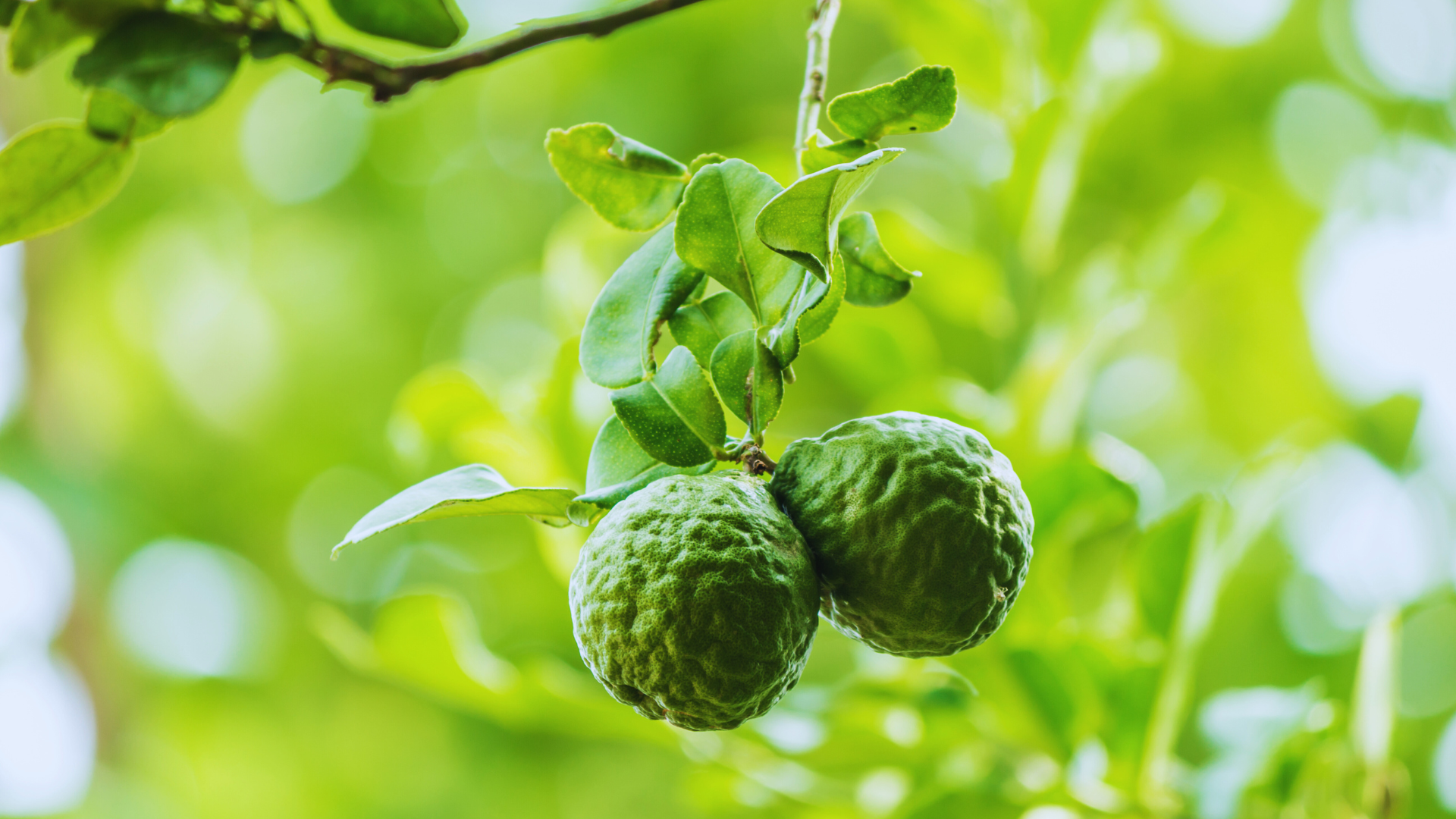
Earl Grey tea, a beloved blend of black tea leaves scented with bergamot essential oil, derives its signature citrusy, floral aroma from the rare Citrus bergamia fruit, primarily cultivated in Calabria, Italy. Named after Charles Grey, the 2nd Earl Grey and British Prime Minister in the 1830s, the tea’s origins are steeped in legend—possibly a diplomatic gift from a Chinese mandarin or an English adaptation to improve water taste. Bergamot oil, extracted from the fruit’s rind, constitutes just 0.5-2% of the tea but defines its global appeal, with over 95% of production concentrated in Reggio Calabria. As climate change intensifies, rising temperatures, erratic rainfall, and extreme weather threaten this fragile crop, potentially disrupting yields and quality for Earl Grey worldwide.
Global warming exacerbates vulnerabilities in bergamot cultivation, a subtropical citrus hybrid sensitive to environmental shifts. Recent studies from 2020-2025 highlight yield declines of up to 80% in affected seasons, driven by heat stress, droughts, and pests. With Earl Grey’s market valued at billions and bergamot integral to perfumes, cosmetics, and beverages, these impacts ripple through supply chains. This article examines climate change’s effects on bergamot yields, drawing from recent research on Calabria’s production, quality alterations, global shifts, and mitigation efforts. As temperatures rise, understanding these dynamics is crucial for sustaining Earl Grey’s legacy amid environmental challenges.
In a world where citrus crops face existential threats, bergamot’s plight underscores the urgency of adaptive agriculture to preserve cultural staples like Earl Grey.
Overview of Bergamot Production and Its Global Concentration
Bergamot (Citrus bergamia), a pear-shaped hybrid of bitter orange and lemon, thrives in the Mediterranean climate of southern Italy’s Calabria region, where over 90% of the world’s supply originates on fewer than 1,400 hectares. Harvested from November to March, the fruit yields essential oil via cold-pressing, producing about 500-600 tons annually, with Reggio Calabria accounting for 95%. This oil, rich in limonene (30-45%) and linalyl acetate (25-35%), imparts Earl Grey’s characteristic scent, essential for the tea’s 1.5 billion USD global market.
Production is labor-intensive, involving manual harvesting on terraced hillsides, with yields averaging 20-30 tons per hectare under optimal conditions. Beyond tea, bergamot supports industries like perfumery (e.g., Chanel No. 5) and pharmaceuticals, but its narrow growing window—requiring mild winters (5-15°C) and warm summers—makes it susceptible to climatic variability. Minor cultivation occurs in Ivory Coast, Brazil, and Argentina, but these represent less than 5% of global output, lacking Calabria’s terroir for premium quality.
This concentration amplifies risks: any disruption in Calabria could spike prices and alter Earl Grey’s flavor profile, as seen in recent shortages. Climate models predict a 1.5-2°C global rise by 2050, pushing bergamot beyond its thermal limits and threatening yields essential for Earl Grey’s authenticity.
Direct Impacts of Climate Change on Bergamot Cultivation
Climate change manifests through rising temperatures, altered precipitation, and extreme events, all profoundly affecting bergamot’s growth cycle. Calabria’s average temperatures have increased by 1.5°C since the 1980s, with summers exceeding 40°C—well above the 25-30°C optimum for fruit development. Heat stress during flowering (April-May) causes flower drop and reduced pollination, leading to 20-30% yield losses in affected years.
Droughts, intensified by erratic rainfall, deplete soil moisture critical for bergamot’s shallow roots. Calabria receives 700-800 mm annually, but projections indicate a 20% decline by 2050, exacerbating water scarcity in this karstic region. In 2023, prolonged dry spells destroyed 80% of the crop, with fruits suffering from sunburn and dehydration. A 2021 study using climatic data from 1980-2020 correlated higher temperatures with diminished fruit size and oil yield, predicting a 15-25% global decline by 2040 without intervention.
Extreme weather, including late frosts and hail, further compounds issues. A 2024 report noted increased frost events disrupting winter dormancy, while hailstorms in 2022 damaged 10-15% of groves. Pests like the Mediterranean fruit fly thrive in warmer conditions, with infestations rising 30% since 2015, necessitating more pesticides that harm soil health. These factors collectively reduce photosynthetic efficiency, stunting tree vigor and perpetuating yield declines.
Yield Declines: Quantitative Insights from Recent Studies
Recent research quantifies climate change’s toll on bergamot yields. A 2021 Industrial Crops and Products study analyzed 40 years of data from Reggio Calabria, finding a 10-15% annual yield drop correlated with temperature anomalies, projecting 50% reductions by 2100 under RCP 8.5 scenarios. The paper highlighted how elevated CO2 alters oil composition, diminishing linalyl acetate by 20%, affecting Earl Grey’s scent.
In 2023, a FreshPlaza report documented an 80% loss from July heatwaves, with fruits aborted or deformed, leading to emergency imports and price surges of 50%. A 2024 PMC study on abiotic stresses confirmed drought and heat as primary yield limiters, with bergamot’s sensitivity—requiring 600-800 mm water—resulting in 25-40% reductions in irrigated vs. rain-fed systems.
Global models from 2020-2025, including IPCC reports, estimate citrus yields like bergamot could fall 10-30% by mid-century, with Calabria hit hardest due to its marginal climate. A 2025 Stanford analysis on crop yields predicted 11% losses for staples, extending to specialty fruits like bergamot under adaptation scenarios. These declines threaten Earl Grey’s supply, potentially raising costs and altering blends.
Impacts on Bergamot Quality and Earl Grey’s Flavor Profile
Beyond yields, climate change degrades bergamot quality, directly affecting Earl Grey’s essence. Warmer temperatures reduce essential oil content from 0.5% to 0.3%, with limonene increasing at linalyl acetate’s expense, shifting the aroma from floral-citrus to harsher notes. A 2021 study correlated 1°C rises with 15% oil volatility loss, impacting tea blenders.
Drought stresses trees, producing smaller, less juicy fruits with lower flavonoid levels, diminishing antioxidants vital for Earl Grey’s health claims. Pest pressures elevate mycotoxin risks, contaminating oils. A 2024 quality evaluation across Calabria sites showed heat-stressed areas yielding oils with altered profiles, potentially muting Earl Grey’s signature tang.
These changes could force synthetic alternatives, eroding authenticity and consumer trust in premium Earl Grey.
Global Shifts: Attempts at Alternative Cultivation Regions
To counter Calabria’s vulnerabilities, efforts to diversify bergamot cultivation are underway, though challenges persist. Experimental plantations in Ivory Coast and Argentina yield 5-10% of global supply but struggle with quality—oils lack Calabria’s nuanced profile due to different soils and climates. A 2022 study on abiotic factors noted potential in subtropical zones like Brazil, but erratic weather limits scalability.
In Europe, trials in Spain and Greece face similar heat issues, with yields 20-30% lower than Italian benchmarks. African expansions, supported by Italian firms like Symrise, aim for sustainability but encounter water scarcity and biodiversity loss. Climate models suggest viable shifts to higher latitudes by 2050, but adaptation lags, with current alternatives comprising under 10% of needs.
These shifts may dilute Earl Grey’s terroir-driven flavor, prompting industry calls for protected designations.
Implications for the Earl Grey Industry and Supply Chain
Yield declines and quality shifts pose existential threats to Earl Grey production. Shortages since 2020 have increased oil prices by 40-60%, forcing blenders to use substitutes or ration, potentially raising tea costs 10-20%. Major brands like Twinings report supply pressures, with 2023 disruptions affecting global exports.
Supply chain vulnerabilities amplify: Calabria’s monopoly risks monopolistic pricing and fraud, with adulterated oils entering the market. For Earl Grey, inconsistent bergamot could homogenize flavors, eroding premium segments. Economic impacts include job losses in Calabria’s 5,000-worker industry. Broader effects on related sectors like perfumery compound the crisis.
Mitigation Strategies and Future Outlook
Adaptation strategies include drought-resistant hybrids, developed by Italian researchers, showing 15-20% yield improvements. Irrigation tech and shaded groves mitigate heat, while regenerative farming enhances resilience. Diversification to new regions, backed by EU funding, aims for 20% non-Italian production by 2030.
Policy interventions, like carbon credits for sustainable groves, and research into synthetic alternatives offer hope, though purists resist. Outlook remains cautious: without aggressive mitigation, yields could halve by 2050, reshaping Earl Grey’s future.
Conclusion: Safeguarding Bergamot for Earl Grey’s Legacy
Climate change’s effects on bergamot yields—through heat, drought, and extremes—threaten Calabria’s monopoly and Earl Grey’s essence, with studies forecasting significant declines. Global shifts and adaptations provide pathways, but urgent action is needed to preserve this vital crop. As stewards of tradition, the industry must innovate to ensure Earl Grey’s citrus symphony endures amid environmental flux.
