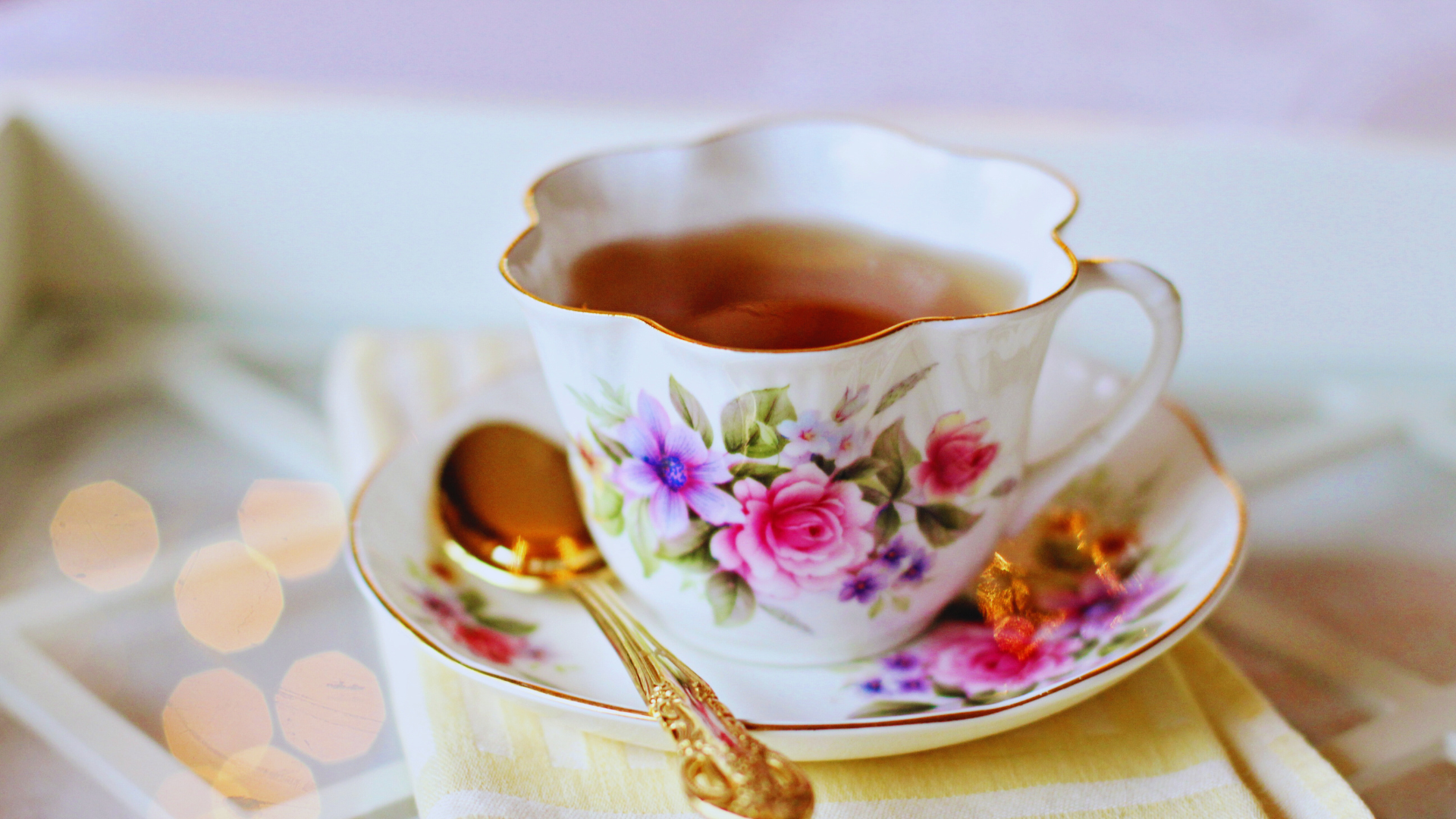
Earl Grey tea, with its distinctive bergamot-infused flavor, stands as one of the most iconic blends in the world of tea, blending British refinement with a citrusy allure. This black tea, celebrated for its bold yet elegant profile, has captivated tea drinkers for nearly two centuries, evolving from a storied aristocratic origin to a global staple in countless variations.
Its journey is steeped in legend, cultural significance, and innovative adaptations, making it a fascinating subject for tea enthusiasts and historians alike. This article traces the origins, evolution, production, cultural impact, and modern expressions of Earl Grey, exploring how it became a timeless classic. Let’s steep into the rich history of this beloved brew and uncover its enduring charm.
The Origins: A Tale of Aristocracy and Diplomacy
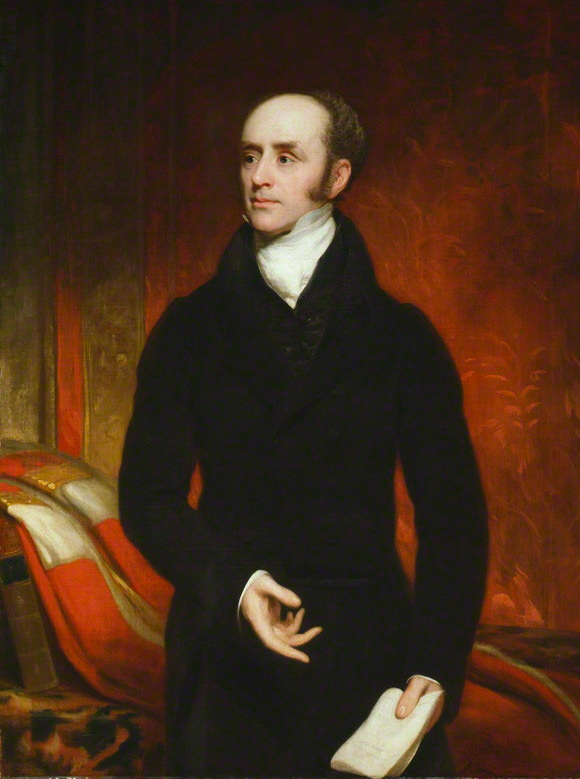
The story of Earl Grey tea begins in early 19th-century Britain, named after Charles Grey, the 2nd Earl Grey and Prime Minister from 1830 to 1834. Its origins are shrouded in romanticized tales, with two primary legends dominating its lore. One suggests that during a diplomatic mission to China, British officials, possibly under Earl Grey’s influence, saved a mandarin’s life, and in gratitude, he gifted a recipe for black tea flavored with bergamot oil. Another account claims the blend was created to counteract the lime-heavy water at Howick Hall, the Grey family estate in Northumberland, with bergamot’s citrusy essence masking the water’s mineral taste.
While the exact origin remains uncertain, historical records indicate that by the 1830s, tea merchants like Jacksons of Piccadilly were marketing “Earl Grey’s Mixture,” claiming it was based on a recipe endorsed by the Earl himself. Bergamot, a citrus fruit primarily grown in Calabria, Italy, became the defining ingredient, its oil imparting a unique floral and citrusy note to the black tea base. Earl Grey’s association with Charles Grey’s political reforms, notably the abolition of slavery in the British Empire in 1833, added a layer of cultural significance, elevating the tea’s status among the elite.
Early Evolution: From Elite Salons to Widespread Popularity
By the mid-19th century, Earl Grey had become a fashionable choice in British high society, served at afternoon teas and aristocratic gatherings. Its distinctive flavor, blending the robustness of black tea with bergamot’s citrusy flair, appealed to a growing middle class as tea culture expanded beyond the upper echelons. The British East India Company’s tea trade, which Charles Grey helped liberalize by ending its monopoly, facilitated the spread of tea blends like Earl Grey across Europe and the colonies.
By the late 19th century, Earl Grey was a household name, with tea companies like Twinings and Fortnum & Mason refining their own versions. Its popularity surged in the 20th century, particularly in Britain and North America, where it became a staple in tea shops and homes. The tea’s versatility—enjoyed plain, with milk, or with lemon—made it adaptable to diverse tastes, cementing its place in global tea culture.
Ingredients and Production: Crafting the Classic Blend
Earl Grey’s signature flavor comes from a carefully crafted combination of black tea and bergamot. The base typically consists of high-quality black tea leaves from regions like Assam, Ceylon, or Keemun, processed through withering, rolling, full oxidation, and drying to achieve a robust, dark character. Bergamot oil, extracted from the rind of the bergamot orange, is then sprayed or blended with the dried leaves, infusing them with its distinctive citrusy, floral, and slightly spicy aroma. Premium blends prioritize natural bergamot essence over artificial flavorings to maintain authenticity.
The production process requires precision to balance the tea’s boldness with bergamot’s brightness. Variations in the black tea base—such as smoky Lapsang Souchong or smoother Darjeeling—can alter the final profile, but the bergamot remains the unifying element. Modern production often involves blending teas from multiple regions to ensure consistency, with some artisanal brands experimenting with single-origin bases for unique expressions.
Flavor Profile: A Harmony of Bold and Bright
Earl Grey’s flavor is a masterful interplay of black tea’s malty, smoky, and slightly astringent notes with bergamot’s bright, citrusy, and floral character. Often described as elegant, it evokes orange blossom, lemon zest, and subtle spiciness, creating a refreshing yet robust sip. The tea’s versatility allows it to shine plain, with a splash of milk to soften its edge, or with a slice of lemon to amplify its citrus notes, making it a favorite for varied palates.
Health Benefits: Wellness in Every Cup
As a black tea, Earl Grey is rich in antioxidants like theaflavins and catechins, which support heart health, reduce inflammation, and boost immunity. Bergamot adds unique benefits, including cholesterol reduction, improved digestion, and stress relief through its calming aroma. With 40-70mg of caffeine per 8-ounce cup, it provides a steady energy boost without the jitters of coffee, making it ideal for morning or afternoon sipping. It may also aid weight management, enhance oral health, and promote hydration. However, moderation is key to avoid caffeine-related side effects.
Brewing Tips: Mastering the Perfect Cup
Brewing Earl Grey requires precision to balance its bold tea base and bergamot’s brightness. Use fresh, filtered water heated to 205-212°F and 1 teaspoon of loose leaves per 8-ounce cup, steeping for 3-5 minutes to avoid bitterness. Pre-warming the teapot enhances flavor extraction, and additives like milk, lemon, or honey can elevate the experience, depending on preference. Oversteeping should be avoided to prevent an overly astringent brew.
Pairings: Elevating Culinary Experiences
Earl Grey’s citrusy profile pairs beautifully with sweet treats like scones with clotted cream, lemon cakes, or dark chocolate, where its bergamot cuts through richness. It also complements savory dishes like smoked salmon sandwiches or creamy cheeses, enhancing their flavors with its bright notes. For a modern twist, Earl Grey is used in desserts like macarons or cocktails, showcasing its versatility.
Cultural Significance: A Symbol of Refinement
Earl Grey embodies British sophistication, a staple of afternoon teas and a recurring motif in literature and pop culture, from Jane Austen’s era to Captain Picard’s iconic order in Star Trek: The Next Generation. Its association with elegance and diplomacy has made it a global icon, featured in high tea menus and cultural events worldwide. Beyond Britain, it’s embraced in countries like the United States and Canada, where it’s a coffee shop staple and a base for creative recipes.
Variations: Expanding the Earl Grey Legacy
Earl Grey’s popularity has inspired numerous variations, adapting its bergamot core to diverse tastes. Lady Grey, introduced by Twinings in the 1990s, adds lemon and orange peel for a lighter, fruitier profile, often with cornflower petals for floral notes. Cream Earl Grey incorporates vanilla or cream flavoring for a rich, dessert-like smoothness, popular in North America. Green Earl Grey uses a green tea base for a fresher, grassier take, while Rooibos Earl Grey offers a caffeine-free, earthy alternative. Other modern twists include Earl Grey Lavender, Earl Grey Blue (with mallow flowers), and decaf versions, catering to wellness trends and varied preferences.
Modern Brew: Earl Grey Today
Today, Earl Grey remains a global favorite, available in loose-leaf, tea bags, and ready-to-drink formats, from artisanal blends to mass-market brands. Its versatility extends to culinary uses, flavoring everything from cakes and ice cream to cocktails and savory dishes. The rise of specialty tea shops and online retailers has fueled experimentation, with small-batch producers offering organic, single-origin, or ethically sourced Earl Grey. Its enduring appeal lies in its ability to balance tradition with innovation, making it as relevant in modern cafes as it was in Victorian salons.
Conclusion: A Timeless Classic
Earl Grey’s journey from a 19th-century aristocratic blend to a modern global icon reflects its timeless appeal. Its bergamot-infused elegance, rooted in legend and refined through centuries, continues to captivate tea lovers. From classic blends to innovative variations like Lady Grey and Cream Earl Grey, this tea offers something for every palate. Whether enjoyed in a quiet moment or a bustling tea party, Earl Grey remains a symbol of sophistication and versatility, inviting all to savor its storied sip.
