
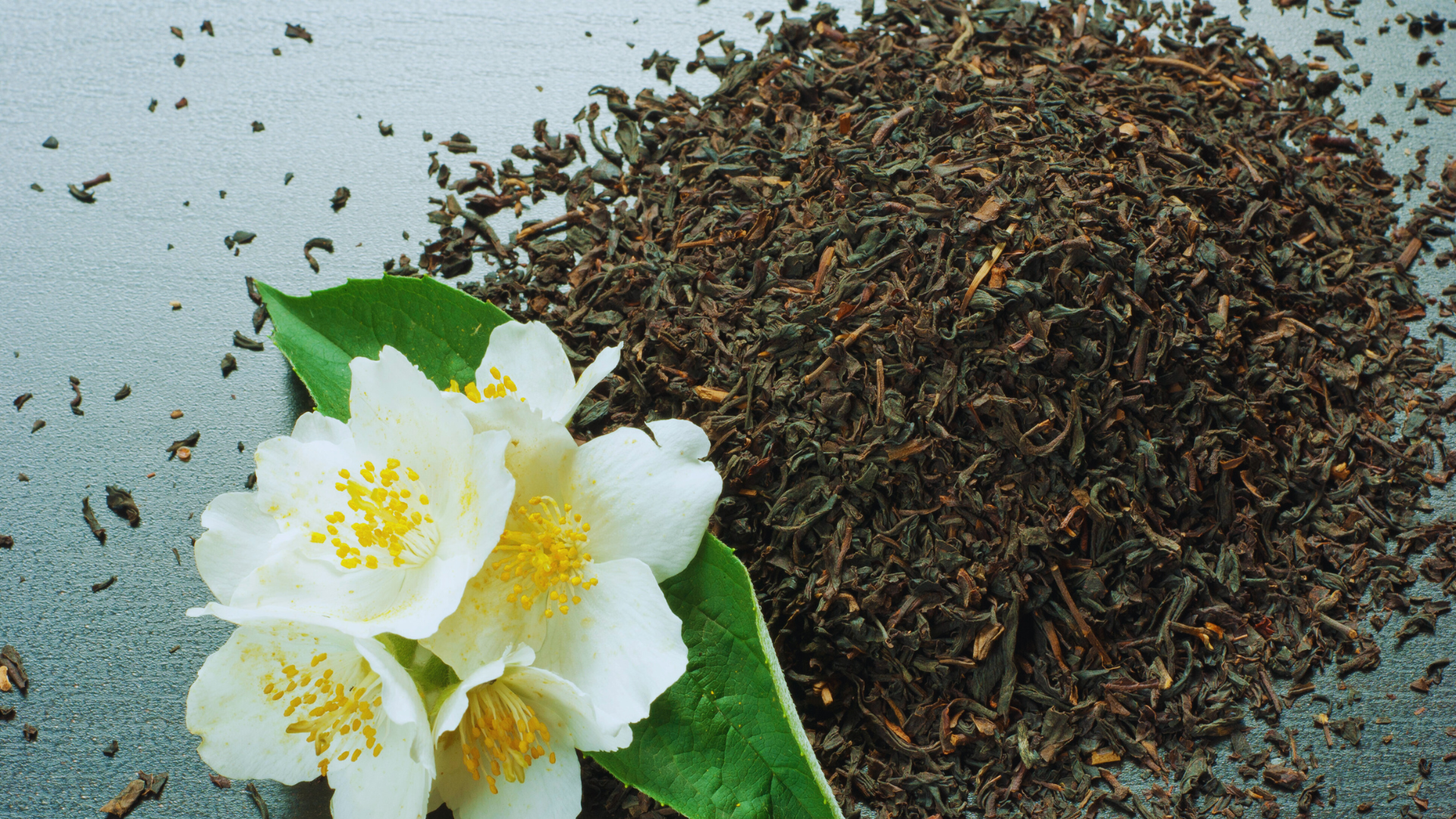
Terroir, a French term traditionally associated with wine, encapsulates the unique environmental factors—soil, climate, topography, and even local flora—that shape the character of agricultural products. In the realm of tea, this concept is equally profound, influencing everything from the subtle nuances of flavor to the intensity of aroma. Jasmine tea, a scented variety where green tea leaves are infused with the fragrance of jasmine flowers, exemplifies how terroir can elevate a simple brew into an exquisite sensory experience. Produced primarily in China, jasmine tea’s quality hinges on the interplay between the terroir of the tea leaves (Camellia sinensis) and that of the jasmine blossoms (Jasminum sambac). The leaves provide the foundational vegetal notes, while the flowers impart a sweet, floral perfume that defines the tea’s allure.
The tea base, often green or white tea, is harvested in spring from regions like Fujian Province, where misty mountains and fertile soils foster complex profiles. Meanwhile, jasmine flowers bloom in summer, thriving in warm, humid areas such as Guangxi’s Hengxian County, known for its ideal conditions that yield blossoms with an unparalleled scent. Soil composition affects nutrient uptake, leading to variations in bitterness or sweetness; climate dictates growth rates and essential oil concentrations; and regional specifics, including elevation and microclimates, refine the final product’s harmony. Poor terroir can result in flat, uninspired tea, while optimal conditions produce vibrant, layered aromas and flavors that evoke fresh meadows or honeyed blooms.
As global demand for premium jasmine tea grows—with markets expanding in Europe and North America—understanding terroir’s role becomes essential for connoisseurs and producers alike. This article explains how soil, climate, and region affect the flavor and aroma of jasmine tea leaves and flowers, drawing on examples from key production areas. By dissecting these elements, we reveal why a cup from Fujian might whisper of misty elegance, while one from Vietnam carries tropical exuberance, underscoring terroir’s indelible stamp on this timeless elixir.
Terroir and the Tea Leaves: Building the Base Flavor
The green tea leaves that form jasmine tea’s backbone are profoundly shaped by terroir, which influences their chemical composition and, ultimately, how well they absorb jasmine’s scent. Soil is a primary factor: acidic, well-drained loams rich in minerals like nitrogen, potassium, and phosphorus promote healthy growth, leading to leaves with balanced catechins and amino acids. These compounds contribute to the tea’s umami depth and subtle astringency. In Fujian Province, the red-yellow soils—volcanic in origin and slightly acidic (pH 4.5-6.5)—impart a mineral-rich profile, resulting in teas with nutty undertones and a smooth mouthfeel. Conversely, overly alkaline or compacted soils can stunt development, yielding bland leaves with muted flavors that fail to harmonize with jasmine’s florals.
Climate plays a pivotal role in modulating growth speed and compound accumulation. Subtropical regions with high humidity and moderate rainfall (1,500-2,000 mm annually) encourage slow, even maturation, enhancing sweetness via increased L-theanine levels—a calming amino acid that tempers caffeine’s edge. In warmer, sunnier climates like those in southern China, faster growth can lead to higher polyphenol content, introducing bitterness if not managed. Misty conditions, prevalent in hilly areas, diffuse sunlight, reducing photorespiration and preserving delicate aromas. For instance, Fujian’s Wuyi Mountains, with their foggy microclimates, produce leaves that exude a fresh, grassy scent, ideal for scenting as they readily absorb jasmine volatiles without overpowering them.
Elevation, a key regional aspect, further refines quality. Higher altitudes (above 800 meters) expose plants to cooler temperatures and greater diurnal swings—warm days and cold nights—which slow metabolism, concentrating flavors. Teas from these heights, like those in Zhejiang’s neighboring hills used for some jasmine bases, boast brighter, more vibrant aromas with hints of chestnut or orchid. Lower elevations may yield robust but less nuanced leaves. Topography also matters: sloping terrains improve drainage, preventing root rot and ensuring even nutrient distribution, while proximity to rivers or forests can introduce subtle environmental notes, such as a faint herbal edge from surrounding vegetation.
Regional variations amplify these effects. In Jiangnan (southern Yangtze River area), including parts of Zhejiang and Anhui, the humid, temperate climate fosters greens like Longjing, sometimes used as jasmine bases, with a buttery texture and vegetal freshness. South China’s Huanan region, encompassing Fujian and Guangdong, benefits from lush, rainy subtropics, producing teas with floral predispositions that complement jasmine. These leaves often exhibit a natural sweetness, enhanced by the region’s granite-derived soils, which add a mineral crispness. In contrast, teas from drier or polluted areas might carry off-notes, diminishing the final product’s purity. Overall, optimal terroir for jasmine tea leaves creates a receptive canvas: balanced, aromatic, and resilient, ensuring the scented result is harmonious rather than discordant.
Terroir and Jasmine Flowers: Crafting the Signature Aroma
Jasmine flowers, the soul of jasmine tea, are equally beholden to terroir, where environmental nuances dictate the intensity and complexity of their essential oils—compounds like linalool and benzyl acetate that define the tea’s captivating perfume. Soil fertility is crucial: jasmine thrives in loamy, nutrient-rich substrates with good organic content, allowing roots to absorb trace minerals that enhance floral volatility. In Guangxi’s Hengxian County, the “Jasmine Capital of the World,” the alluvial soils—fertile from river deposits and slightly acidic—yield blossoms with a potent, sweet aroma, boasting higher oil concentrations for deeper scenting. Poor, sandy soils might produce weaker flowers with fleeting scents, while heavy clays risk waterlogging, muting fragrances through stress.
Climate profoundly impacts blooming and oil synthesis. Jasmine prefers warm, humid subtropics with temperatures between 25-35°C (77-95°F) during the day and mild nights, promoting nocturnal opening when aromas peak. High humidity (70-90%) aids in volatile release, but excessive rain can dilute oils or foster mold. In Hengxian’s monsoon-influenced climate, consistent summer rains and heat create ideal conditions for prolific, fragrant blooms—up to seven scentings possible for premium teas. Cooler climates, like Vietnam’s Lam Dong highlands, slow growth, concentrating sugars and resulting in flowers with a crisp, lingering perfume, often described as more ethereal than their lowland counterparts.
Elevation and microclimates add layers: mid-altitudes (300-600 meters) balance warmth with cooling breezes, enhancing oil diversity for multifaceted aromas—hints of honey or citrus alongside core florals. Regional flora influences too; jasmine near orchards might absorb fruity notes, enriching the scent profile. In arid or polluted zones, flowers may develop off-odors, like a metallic tang, compromising tea quality.
Key regions showcase these dynamics. Guangxi’s tropical lowlands produce bold, heady blossoms, perfect for robust jasmine teas. Vietnam’s highland terroir yields subtler, refined flowers, adding elegance to local blends. These variations ensure jasmine’s aroma isn’t monolithic but a terroir-tuned symphony, directly elevating the scented tea’s allure.
Regional Case Studies: Fujian, Guangxi, and Beyond
Fujian Province exemplifies terroir’s mastery for tea leaves, with its mountainous terrain and subtropical climate fostering greens like Bi Luo Chun or Tie Guan Yin bases for jasmine. The region’s misty, high-elevation (500-1,200m) slopes and granite soils impart a fresh, orchid-like aroma, with flavors of sweet chestnut—ideal for absorbing jasmine without clashing. Fuzhou, the jasmine tea hub, benefits from coastal humidity, enhancing leaf pliability for multiple scentings.
Guangxi’s Hengxian, conversely, is flower-focused: its flat, fertile plains and hot, rainy summers produce blossoms with intense, long-lasting scents, thanks to red earth soils rich in potassium. This terroir yields teas with bold floral dominance, evoking summer gardens.
In Vietnam’s Lam Dong, cooler plateaus and volcanic soils create jasmine with nuanced, fruity aromas, blending with local greens for lighter teas. India’s jasmine from Tamil Nadu adds spicy undertones from clay soils, diversifying global offerings.
These cases highlight how matching leaf and flower terroirs—often sourcing flowers locally—optimizes quality, with mismatches risking imbalance.
The Scenting Process: Terroir in Harmony
Scenting unites leaf and flower terroirs, where optimal conditions shine. Fujian leaves, absorbent from misty climes, pair with Hengxian flowers’ potency, creating layered profiles through repeated infusions. Terroir mismatches can dull aromas, emphasizing the need for synergy.
Challenges and Future Considerations
Climate change threatens traditional terroirs, with erratic rains altering flavors. Sustainable practices, like organic farming, preserve soil health, ensuring future quality.
Conclusion
Terroir’s influence on jasmine tea is a delicate dance of earth and elements, crafting flavors and aromas that captivate. From Fujian’s misty leaves to Guangxi’s blooming fields, it underscores nature’s artistry in every cup.
