
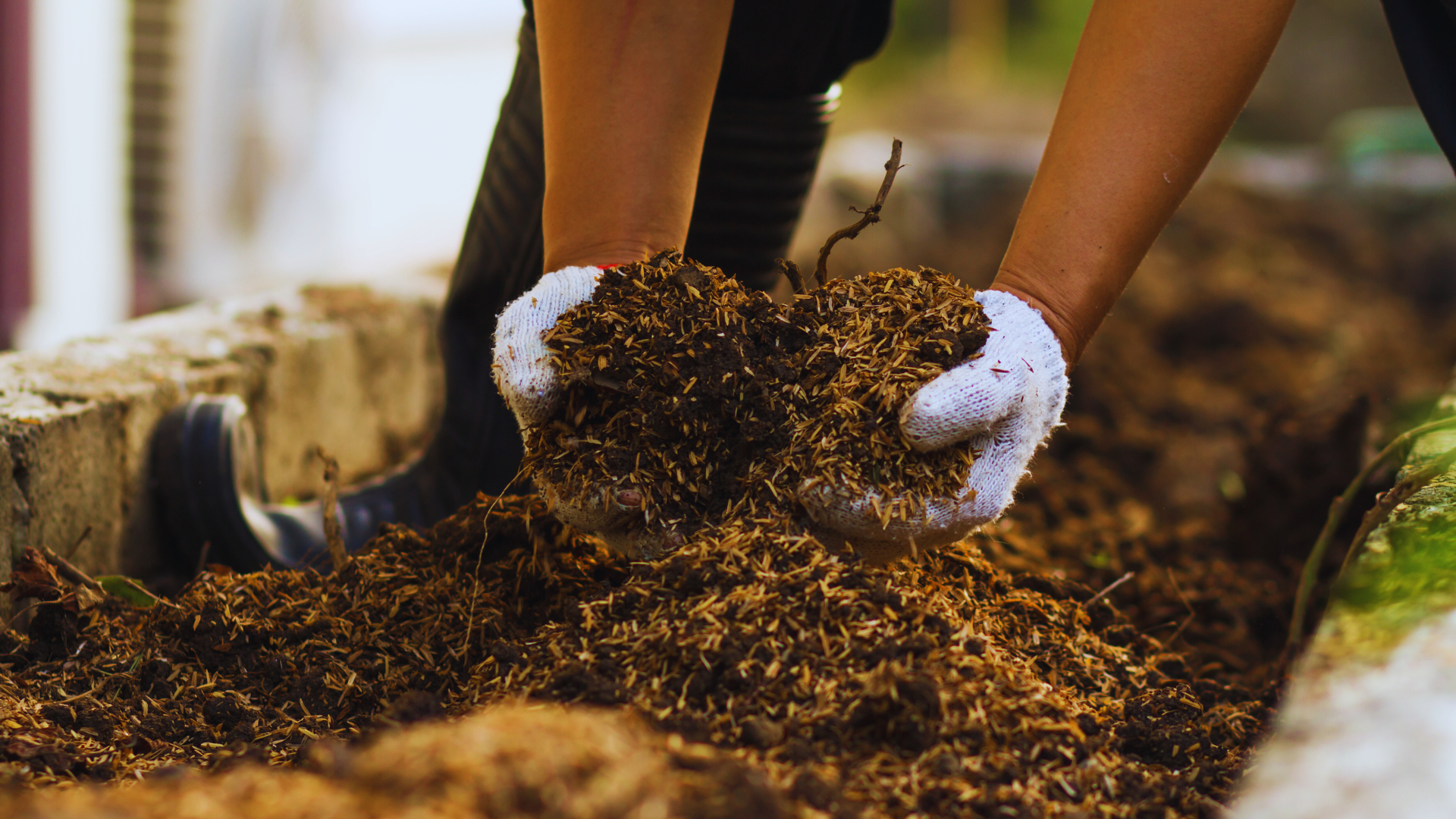
Composting has long been hailed as a cornerstone of sustainable gardening, transforming kitchen scraps and yard waste into nutrient-rich soil amendments that enhance plant growth and reduce landfill contributions. Among the myriad items that can be added to a compost pile, used tea leaves and bags stand out for their simplicity and efficacy. Earl Grey tea, a beloved blend of black tea scented with bergamot oil, offers a unique twist to this practice. While many enjoy its citrusy aroma in a steaming cup, fewer realize its potential in the garden. The organic matter from steeped Earl Grey can enrich compost, providing benefits like increased nitrogen levels and improved soil structure.
In an age where eco-friendly practices are paramount, repurposing tea remnants aligns with zero-waste philosophies. Black tea leaves, the base of Earl Grey, are rich in tannins and nutrients, while the bergamot essence adds subtle antimicrobial properties. When integrated into composting, these elements can foster a healthier microbial environment in the soil, leading to robust plant health. This article explores the science and practicalities of using Earl Grey tea in composting, highlighting its benefits for garden soil. Drawing from expert gardening advice and studies on organic amendments, we’ll cover how to incorporate it effectively, potential pitfalls, and why it might just be the secret ingredient your garden needs. Whether you’re a novice composter or a seasoned horticulturist, discover how this classic tea can brew up better soil.
The Fundamentals of Composting and Tea’s Role
Composting is a natural process where organic materials decompose into humus-like substance through the action of microorganisms, fungi, and macroorganisms like earthworms. It requires a balance of “greens” (nitrogen-rich materials) and “browns” (carbon-rich materials), along with moisture and aeration. Tea leaves, classified as greens, contribute nitrogen essential for microbial activity, accelerating decomposition. Used tea bags or loose leaves from Earl Grey fit seamlessly into this system, as they are biodegradable and add to the pile’s diversity.
Earl Grey’s composition—black tea leaves infused with bergamot essential oil—brings additional nuances. Black tea undergoes oxidation, resulting in higher tannin content, which can mildly acidify soil, benefiting acid-loving plants like azaleas or blueberries. Bergamot, derived from Citrus bergamia, imparts citrus notes but in tea form, it’s primarily the oil coating the leaves. In composting, this oil breaks down slowly, potentially releasing compounds that deter pests or enhance fungal activity.
Historically, tea waste has been used in gardening since tea’s introduction to Europe in the 17th century. Victorian gardeners often scattered used leaves around plants to ward off slugs. Modern composting elevates this: Steeped tea maintains moisture in the pile, preventing dry spots and promoting even breakdown. For Earl Grey enthusiasts, collecting daily remnants can yield substantial material— a single household might produce pounds of tea waste annually, all divertible from trash to treasure.
Incorporating tea requires mindfulness of bag materials. Many commercial bags contain polypropylene for sealing, which doesn’t fully decompose, leading to microplastics. Opt for loose-leaf Earl Grey or confirmed compostable bags to maximize benefits without environmental drawbacks.
Bergamot’s Unique Contribution to Compost
Bergamot, the hallmark of Earl Grey, is a hybrid citrus fruit grown mainly in Calabria, Italy, sensitive to soil conditions. Its essential oil, cold-pressed from the rind, contains limonene and linalool, compounds with antimicrobial and antioxidant properties. In composting, these may influence microbial communities, potentially suppressing harmful pathogens while supporting beneficial ones.
Studies on citrus wastes in composting show they enhance compost quality by adding organic acids that lower pH, aiding in nutrient release. Though bergamot in Earl Grey is minimal (typically 1-2% oil), regular additions can accumulate effects. Bergamot’s polyphenols may boost soil enzyme activity, improving nutrient cycling.
In soil health, bergamot-infused compost could promote mycorrhizal fungi, which form symbiotic relationships with plant roots, enhancing water and nutrient uptake. Anecdotal evidence from gardeners suggests bergamot-scented compost deters fungal diseases like damping-off in seedlings. However, excessive acidity from tannins warrants monitoring soil pH, ideally keeping it between 6.0-7.0 for most vegetables.
Compared to plain black tea, Earl Grey’s bergamot adds a layer of complexity. Research on essential oils in agriculture indicates they can stimulate plant growth hormones, potentially leading to vigorous gardens. For composters, this means Earl Grey isn’t just waste—it’s a value-added input.
Key Benefits of Earl Grey Tea in Composting for Soil Health
The primary benefit of adding Earl Grey to compost is nitrogen enrichment. Tea leaves contain about 4% nitrogen by dry weight, fueling bacteria that break down organics. This results in faster composting, producing mature humus in months rather than years.
Soil structure improves markedly. Compost from tea-amended piles increases aggregation, enhancing aeration and water retention. Gardens with such soil experience less erosion and better root penetration, crucial for healthy crops.
Microbial diversity thrives. Compost teas made from tea-enriched compost boost beneficial microbes, suppressing diseases. Bacterial teas from Earl Grey may aid nitrogen fixation, reducing fertilizer needs.
Nutrient profile expands: Potassium and phosphorus from tea leaves support flowering and root development. Bergamot’s antioxidants combat oxidative stress in soil, preserving nutrient availability.
Earthworms are attracted to moist, tannin-rich environments, aerating soil and casting nutrient-dense vermicompost. Studies show tea waste increases worm activity, amplifying benefits.
Environmentally, it reduces methane from landfills and sequesters carbon in soil. For urban gardeners, it’s a low-cost way to amend poor soils.
Practical Methods for Using Earl Grey in Composting
Start with collection: After brewing, dry leaves or bags to prevent mold, then add to your bin. For bags, tear open if non-compostable, composting only the leaves.
In a pile, layer tea with browns like leaves or cardboard, maintaining 50-60% moisture. Turn weekly for aeration.
Vermicomposting: Worms love tea; bury in worm bins for quick processing.
Compost tea: Steep mature compost with Earl Grey remnants in water for 24-48 hours, aerating for microbial growth. Apply as foliar spray or soil drench.
Direct application: Scatter dried leaves around plants as mulch, or bury in soil for slow release.
For large-scale, mix with weeds or grass clippings for balanced fertilizer.
Potential Drawbacks and Precautions
While beneficial, over-addition can acidify soil excessively; test pH regularly. Caffeine in tea may affect sensitive plants, though minimal in used leaves.
Microplastics from bags are a concern; choose plastic-free options. If using bags, remove staples or strings.
Bergamot oil might irritate skin; wear gloves when handling.
In hot composting, ensure temperatures reach 140°F to kill pathogens.
Advanced Applications and Research Insights
Research shows tea-amended compost enhances lettuce growth via better nutrient uptake. Bio-composts with tea alter soil metabolism, improving carbon and nitrogen cycles.
For organic farms, it’s a sustainable alternative to synthetic fertilizers.
Experiment with blends: Combine Earl Grey with coffee grounds for balanced NPK.
Conclusion
Using Earl Grey tea in composting unlocks a host of benefits for garden soil, from nutrient enrichment to microbial enhancement. This simple act not only repurposes waste but fosters vibrant, sustainable gardens. As research evolves, the potential of such organic amendments grows, encouraging us to rethink everyday discards. Brew a cup, then compost the rest—your soil will thank you with bountiful harvests.
