
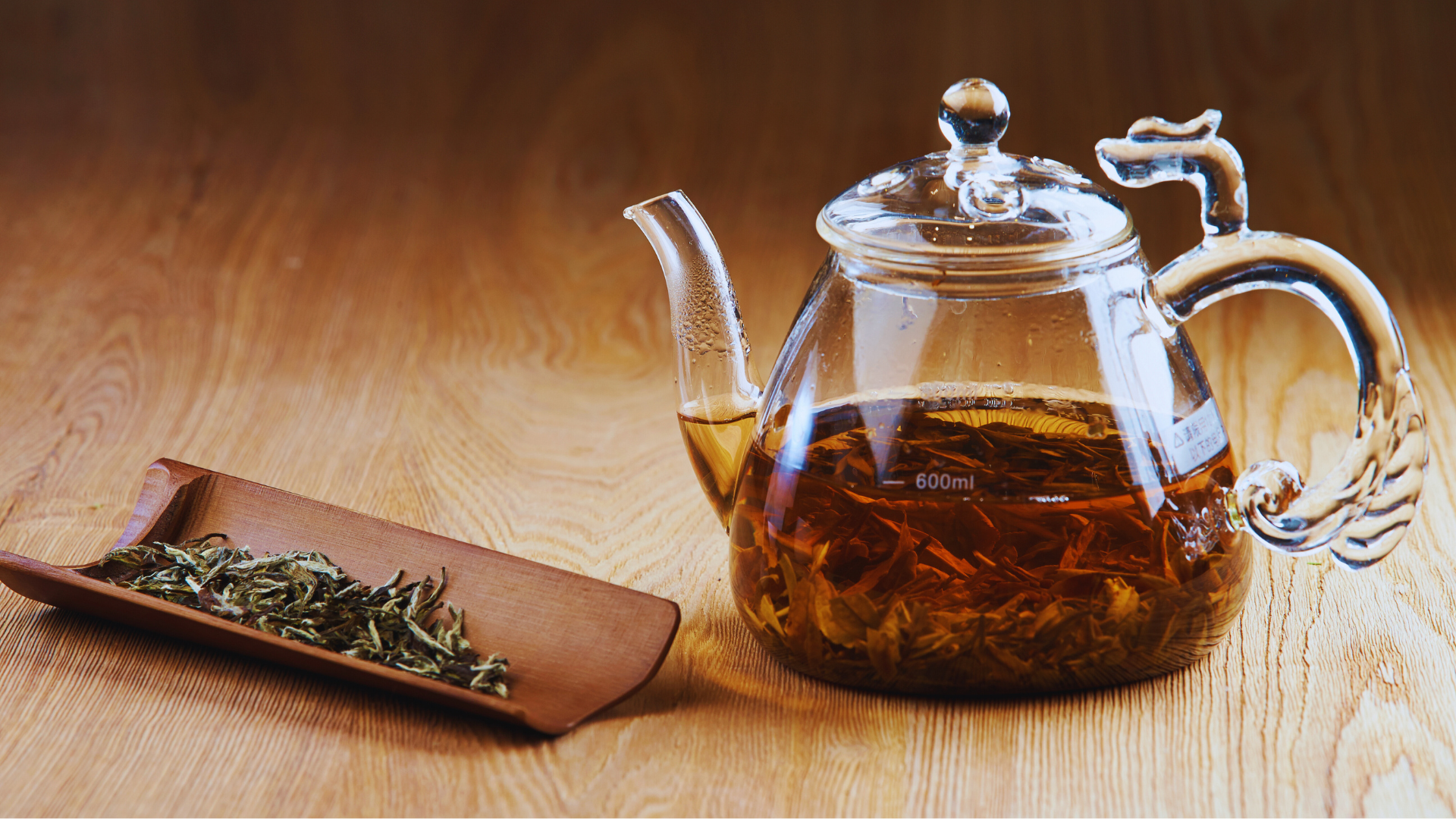
White tea and black tea, both derived from the Camellia sinensis plant, represent two ends of the tea spectrum, each offering distinct flavors, aromas, and health benefits. While white tea is celebrated for its delicate, floral subtlety, black tea is known for its bold, robust character. These differences stem from their unique processing methods, which influence everything from taste to caffeine content and wellness properties. For tea enthusiasts and newcomers alike, understanding the contrasts between white tea and black tea can guide choices based on palate preferences, health goals, and drinking occasions.
We’ll explore the key differences between white tea and black tea, comparing their origins, processing, flavor profiles, caffeine levels, health benefits, and ideal uses. By the end, you’ll have a clear picture of what sets these teas apart and which might suit your lifestyle best.
Understanding White Tea and Black Tea: The Basics
Before diving into the differences, let’s establish the fundamentals of each tea type.
White Tea
White tea is the least processed of all tea types, primarily produced in China’s Fujian province. It’s made from young buds and, in some varieties, tender leaves, harvested in early spring. Varieties like Silver Needle (Bai Hao Yin Zhen) and White Peony (Bai Mu Dan) are prized for their silvery-white appearance, owed to the fine, downy hairs on the buds. The minimal processing—withering and drying with no rolling or oxidation—preserves the tea’s natural compounds, resulting in a delicate flavor, low caffeine content, and high antioxidant levels.
Black Tea
Black tea, one of the most widely consumed tea types globally, undergoes full oxidation, giving it a dark color and robust flavor. Produced in regions like India (Darjeeling, Assam), China (Keemun), and Sri Lanka (Ceylon), black tea is made from mature leaves that are withered, rolled, oxidized, and dried. Popular varieties include Earl Grey, English Breakfast, and Lapsang Souchong. Its bold taste and higher caffeine content make it a staple in morning routines and tea blends.While both teas originate from the same plant, their processing and cultural roles create stark contrasts, which we’ll explore in detail.
Origins and Cultural Significance
White Tea Origins
White tea traces its roots to Fujian, China, with historical records suggesting its emergence during the Tang Dynasty (618–907 CE). Initially a luxury for the imperial court, it was crafted from tender buds and valued for its purity. By the Qing Dynasty (1644–1912 CE), varieties like Silver Needle and White Peony became well-established in Fuding and Zhenghe counties. White tea remained a Chinese specialty until the late 20th century, when global interest in artisanal and health-focused teas brought it wider recognition. Today, small-scale production occurs in India, Sri Lanka, and Thailand, but Fujian remains the gold standard.
In Chinese culture, white tea symbolizes simplicity and elegance, often gifted during special occasions or served to honor guests. Its minimal processing aligns with Taoist principles of naturalness, and its modern association with wellness has made it a favorite in health-conscious circles.
Black Tea Origins
Black tea’s history is more global, with significant developments in China and colonial-era India. In China, black tea (known as “red tea” or hong cha due to its reddish liquor) emerged around the Ming Dynasty (1368–1644 CE), with varieties like Keemun and Lapsang Souchong gaining prominence. In the 19th century, British colonial efforts in India led to the cultivation of black tea in Assam and Darjeeling, driven by demand for a strong, exportable tea. Sri Lanka’s Ceylon tea followed, solidifying black tea’s global dominance.
Black tea is deeply embedded in cultures worldwide, from British afternoon tea traditions to Indian chai. Its bold flavor makes it a versatile base for blends (e.g., Earl Grey with bergamot) and spiced preparations, reflecting its adaptability across cuisines.
Origins Comparison
- Geographic Focus: White tea is closely tied to Fujian, with limited global production; black tea is produced worldwide, with major hubs in India, China, and Sri Lanka.
- Cultural Role: White tea is a symbol of purity in Chinese tradition; black tea is a global staple, central to social and culinary practices in many cultures.
- Historical Spread: White tea remained niche until recently; black tea’s colonial history made it a global commodity by the 19th century.
Processing: Minimal vs. Maximal
The most significant difference between white tea and black tea lies in their processing, which shapes their flavor, color, and chemical composition.
White Tea Processing
White tea’s processing is minimal, designed to preserve the natural qualities of the tea plant:
- Harvesting: Young buds (for Silver Needle) or buds and tender leaves (for White Peony) are hand-picked in early spring, often within a narrow window for optimal freshness.
- Withering: The leaves are spread out to wilt naturally, either under shaded indoor conditions or diffused sunlight, for 24–72 hours. This reduces moisture and concentrates flavors.
- Drying: The withered leaves are gently dried using low heat or air-drying to halt any oxidation, locking in the tea’s delicate character.
- Sorting: Hand-sorting ensures quality, removing damaged leaves or impurities.
This minimal intervention results in a light, unoxidized tea with a high concentration of antioxidants and a subtle flavor profile.
Black Tea Processing
Black tea undergoes full oxidation, transforming the leaves into a dark, robust product:
- Harvesting: Mature leaves are plucked, often mechanically in large-scale production, though high-quality teas like Darjeeling are hand-picked.
- Withering: Leaves are withered for 12–18 hours to reduce moisture, making them pliable for rolling.
- Rolling: The leaves are rolled or crushed to break cell walls, releasing enzymes that trigger oxidation.
- Oxidation: The leaves are spread out in a controlled environment for several hours, allowing full oxidation, which darkens the leaves and develops bold flavors.
- Drying: The oxidized leaves are fired at high heat to stop oxidation and preserve the final flavor.
This extensive processing creates a fully oxidized tea with a strong taste, dark color, and higher caffeine content.
Processing Comparison
- Oxidation: White tea is unoxidized (0–5%); black tea is fully oxidized (80–100%).
- Handling: White tea involves minimal handling to preserve delicacy; black tea requires rolling and oxidation for boldness.
- Time: White tea processing is quicker (1–3 days); black tea takes longer due to oxidation (up to a week).
- Outcome: White tea retains natural compounds; black tea develops complex, robust flavors.
Flavor Profiles: Delicate vs. Bold
The processing differences translate into strikingly different flavor profiles, making white tea and black tea suited to distinct preferences and occasions.
White Tea Flavor
White tea is the epitome of subtlety, offering a light, floral, and slightly sweet taste with a smooth, velvety mouthfeel. Its minimal processing highlights the tea plant’s natural essence, with little to no astringency. Key varieties include:
- Silver Needle: Ethereal and refined, with notes of honeysuckle, ripe melon, sweet cream, and fresh hay. The finish is clean and cooling.
- White Peony: Fuller-bodied, with floral (jasmine, orchid), fruity (peach, apricot), and subtle nutty or earthy undertones.
- Shou Mei: Earthier, with dried fruit, toasted nuts, and a warm, autumnal character.
White tea’s understated complexity rewards slow sipping, making it ideal for meditative moments or as a palate cleanser. Its gentle flavor pairs well with light foods like cucumber sandwiches or fruit desserts.
Black Tea Flavor
Black tea is bold and robust, with a rich, full-bodied taste that ranges from malty to floral depending on the variety. Its full oxidation creates a deeper, more intense flavor with moderate astringency. Common profiles include:
- Assam: Malty, brisk, and slightly sweet, with a strong, breakfast-tea character.
- Darjeeling: Floral and muscatel, with a lighter, more delicate body, often called the “champagne of teas.”
- Earl Grey: Infused with bergamot, offering citrusy, aromatic notes over a robust black tea base.
Black tea’s intensity makes it a versatile choice for standalone drinking, blending with milk or spices (e.g., chai), or pairing with hearty foods like scones, cheeses, or spicy dishes.
Flavor Comparison
- Intensity: White tea is delicate and subtle; black tea is bold and robust.
- Taste Notes: White tea offers floral, fruity, and creamy flavors; black tea ranges from malty and citrusy to floral and smoky.
- Astringency: White tea is smooth with minimal bitterness; black tea has moderate astringency, adding a brisk finish.
- Versatility: White tea shines with light, fresh foods; black tea pairs with richer, bolder dishes.
Winner? White tea for those who love nuance; black tea for those who crave intensity.
Caffeine Levels: Gentle vs. Strong
Caffeine content is a critical factor for tea drinkers, influencing energy levels and suitability for different times of day.
White Tea Caffeine
White tea is among the lowest in caffeine, making it ideal for sensitive individuals or evening sipping. An 8 oz cup typically contains:
- Silver Needle: 15–30 mg, due to its bud-only composition.
- White Peony: 20–40 mg, with slightly higher caffeine from leaves.
- Shou Mei: 25–45 mg, reflecting mature leaves.
White tea’s caffeine, paired with L-theanine, provides a gentle, sustained lift without jitters, promoting calm alertness.
Black Tea Caffeine
Black tea has the highest caffeine content among true teas, offering a robust energy boost. An 8 oz cup typically contains:
- Assam: 40–70 mg, with a strong, stimulating effect.
- Darjeeling: 30–60 mg, slightly lighter due to its delicate nature.
- Earl Grey: 40–65 mg, depending on the base tea.
Black tea’s caffeine delivers a noticeable kick, making it a popular morning or midday choice, though it may cause jitteriness in sensitive individuals.Caffeine Comparison
- Range: White tea: 15–45 mg per cup; black tea: 30–70 mg per cup.
- Impact: White tea offers a mild, calming boost; black tea provides a stronger, energizing lift.
- Factors: Caffeine varies with steeping time, water temperature, and tea quality. Longer steeps extract more caffeine.
Winner? White tea for low-caffeine needs; black tea for a bold energy boost.
Health Benefits: Antioxidants vs. Stimulation
Both white tea and black tea offer health benefits, primarily due to their antioxidants, but their processing affects the type and concentration of these compounds.
White Tea Health Benefits
White tea’s minimal processing preserves a high concentration of catechins (e.g., EGCG), polyphenols, and flavonoids, which combat oxidative stress and inflammation. Key benefits include:
- Skin Health: Antioxidants protect collagen, reducing wrinkles and UV damage. A 2009 study in BMC Complementary and Alternative Medicine noted white tea’s anti-aging effects.
- Heart Health: Catechins lower LDL cholesterol and improve blood flow. A 2013 study in Journal of Agricultural and Food Chemistry highlighted endothelial benefits.
- Immune Support: Antimicrobial properties and catechins boost immunity. A 2007 study in Proceedings of the National Academy of Sciences found catechins enhance immune cell activity.
- Weight Management: EGCG may promote fat oxidation. A 2009 study in Nutrition & Metabolism supported white tea’s role in metabolism.
White tea’s low caffeine and high catechins make it a gentle, skin-focused wellness choice.
Black Tea Health Benefits
Black tea’s full oxidation converts catechins into theaflavins and thearubigins, unique antioxidants with distinct benefits. Key benefits include:
- Heart Health: Theaflavins lower cholesterol and improve blood vessel function. A 2013 meta-analysis in The American Journal of Clinical Nutrition linked black tea to reduced cardiovascular risk.
- Cognitive Function: Caffeine and L-theanine enhance focus and alertness. A 2010 study in Psychopharmacology noted black tea’s cognitive benefits.
- Digestive Health: Theaflavins may support gut health by reducing inflammation. A 2016 study in Journal of Nutritional Biochemistry suggested black tea’s gut-protective effects.
- Stress Reduction: Black tea’s moderate caffeine and L-theanine may lower cortisol. A 2007 study in Psychopharmacology found black tea reduces stress responses.
Black tea’s higher caffeine and unique antioxidants make it ideal for mental clarity and heart health.
Health Comparison
- Antioxidants: White tea has higher catechins, excelling for skin and anti-aging; black tea’s theaflavins are potent for heart and cognitive health.
- Gentleness: White tea is easier on the stomach and suitable for sensitive individuals; black tea’s caffeine may cause jitteriness.
- Research: Black tea has more studies due to its global popularity, but white tea’s benefits are gaining recognition.
Winner? White tea for gentle, skin-focused benefits; black tea for cognitive and cardiovascular support.
Brewing and Enjoyment
Proper brewing enhances flavor, caffeine, and health benefits for both teas.
White Tea Brewing
- Temperature: 175–195°F (80–90°C). Silver Needle: 175–185°F; White Peony/Shou Mei: 185–195°F.
- Steeping Time: 2–5 minutes for the first infusion; multiple infusions (30–60 seconds) reveal new flavors.
- Ratio: 2–3 grams (1 tablespoon) per 8 oz water.
- Tips: Use a glass teapot to showcase clarity. Cold brewing (6–12 hours in fridge) enhances sweetness.
Black Tea Brewing
- Temperature: 195–212°F (90–100°C). Darjeeling prefers slightly cooler water (195°F).
- Steeping Time: 3–5 minutes. Oversteeping can cause bitterness.
- Ratio: 1–2 grams (1 teaspoon) per 8 oz water.
- Tips: Use a ceramic teapot. Add milk or sugar for some varieties (e.g., Assam), but enjoy Darjeeling plain.
Pairing Suggestions
- White Tea: Complements light foods like cucumber sandwiches, goat cheese, or lemon madeleines.
- Black Tea: Pairs with hearty foods like scones, dark chocolate, or spicy Indian dishes.
Choosing Between White Tea and Black Tea
Your choice depends on taste, health goals, and occasion:
- Choose White Tea If: You prefer delicate, floral flavors, low caffeine, and skin-focused benefits. Ideal for evening sipping, meditation, or light pairings.
- Choose Black Tea If: You enjoy bold, robust flavors, higher caffeine, and cognitive-heart benefits. Perfect for mornings, social gatherings, or rich pairings.
Both teas are versatile, and many enthusiasts enjoy both for different moments.
Conclusion
White tea and black tea, while sharing a common origin, offer contrasting experiences that cater to diverse preferences. White tea enchants with its delicate, floral subtlety, low caffeine, and skin-focused wellness benefits, making it a gentle, meditative choice. Black tea invigorates with its bold, robust intensity, higher caffeine, and heart-cognitive advantages, suiting those seeking a strong, social brew. From their origins in Fujian and colonial India to their minimal versus maximal processing, these teas reflect the artistry and diversity of tea-making.
At Onotea.com, we invite you to explore both white tea and black tea, from Silver Needle’s elegance to Assam’s vigor. Brew with care, savor the contrasts, and let each cup enrich your tea journey. Whether you lean toward the whisper of white tea or the roar of black tea, both promise flavor and wellness in every sip.
