In the diverse landscape of teas and herbal infusions, white tea and dandelion tea stand out for their unique profiles and health-promoting qualities. Both beverages have garnered attention from wellness enthusiasts, offering gentle flavors and potential benefits that align with modern lifestyles focused on natural remedies and mindful consumption. White tea, a delicate variety of true tea from the Camellia sinensis plant, is prized for its subtlety and antioxidant richness. Dandelion tea, on the other hand, is an herbal brew derived from the common dandelion plant, celebrated for its earthy taste and detoxifying properties. While they may both contribute to a soothing ritual, their origins, compositions, and effects differ significantly, making one more suitable for certain needs over the other.
This comprehensive article explores the distinctions between white tea and dandelion tea, covering their histories, production processes, flavor notes, nutritional profiles, and health implications. Whether you’re looking to boost your antioxidant intake with a low-caffeine option or seeking a caffeine-free diuretic to support digestion, understanding these differences can guide your choices. We’ll also touch on similarities and practical tips for incorporating them into your routine. By the end, you’ll have a clear picture of how these two teas fit into the broader world of herbal and true teas, empowering you to select the right brew for your preferences and goals. As a resource for onotea.com, this guide draws from established knowledge to provide accurate, insightful information for tea lovers everywhere.
What is White Tea?
White tea represents the pinnacle of minimalism in the tea world, originating from the young leaves and buds of the Camellia sinensis plant, the same source as green, black, and oolong teas. Its history is deeply rooted in ancient China, with records suggesting its production as early as the Tang Dynasty (618–907 AD), though it gained prominence during the Song Dynasty (960–1280 AD) when it was crafted as a tribute to emperors. By the Ming Dynasty (1368–1644 AD), white tea evolved into its modern form, valued for its rarity and delicate nature. Initially produced exclusively in China’s Fujian province, particularly in regions like Fuding and Zhenghe, white tea was once a luxury reserved for royalty due to the labor-intensive harvesting of tender buds covered in fine, silvery-white hairs—hence its name. It wasn’t until the early 20th century that white tea began exporting widely, captivating international markets with varieties like Silver Needle during booms from 1912 to 1916.
Production of white tea emphasizes preservation over transformation, setting it apart from more processed teas. Harvesting occurs in early spring, often by hand in the cool morning hours to protect the fragile buds and leaves from sun damage. The process involves natural withering, where the plucked material is spread out in thin layers under shade or controlled indoor conditions to slowly evaporate moisture, followed by gentle drying at low temperatures. This minimal oxidation—far less than in green tea’s pan-firing or black tea’s full fermentation—retains high levels of natural compounds like catechins, polyphenols, and theanine. The result is a light, pale brew with a subtle complexity that varies by type: Silver Needle, made solely from buds, offers a silky texture with hints of vanilla and apricot; White Peony includes buds and young leaves for a fuller, floral body; while Shou Mei uses mature leaves for an earthier, more affordable option.
Flavor-wise, white tea is understated yet nuanced, often described as sweet and floral with notes of honey, melon, fresh hay, or nuts. Its light body and lack of bitterness make it ideal for multiple infusions, revealing evolving layers with each steep. Caffeine content is relatively low, ranging from 6 to 55 milligrams per 8-ounce cup, depending on the variety and brewing method—typically 15–30 mg on average—providing a gentle lift without the jitters associated with stronger teas. This makes it suitable for afternoon sipping or those sensitive to stimulants.
Health benefits of white tea stem from its rich antioxidant profile, including epigallocatechin gallate (EGCG), which combats oxidative stress and inflammation. Studies suggest it supports heart health by potentially lowering cholesterol and blood pressure, aids metabolic function for weight management, and promotes skin vitality through collagen protection and anti-aging effects. It may also bolster oral health by inhibiting bacteria and reduce risks associated with chronic conditions like diabetes and certain cancers in preliminary research. Overall, white tea’s purity appeals to those seeking a refined, health-conscious beverage that pairs well with light foods like fruits or cheeses, enhancing its role in daily wellness routines.
What is Dandelion Tea?
Dandelion tea, unlike white tea, is not derived from the Camellia sinensis plant but from the ubiquitous dandelion (Taraxacum officinale), a hardy perennial in the Asteraceae family. Often dismissed as a weed, dandelion has a storied history as a medicinal herb, with uses dating back to ancient civilizations. In traditional Chinese medicine, it was employed over 1,000 years ago for digestive and liver ailments, while ancient Egyptians dedicated it to health rituals, using it for fevers and skin issues. Greek physicians like Hippocrates documented its anti-inflammatory properties around the 5th century BC, and by the Middle Ages, it spread across Europe and Asia as a folk remedy for everything from warts to jaundice. Native to Eurasia, dandelion was introduced to North America by early settlers for its nutritional value, becoming a staple in herbal traditions worldwide, including Native American practices for tonic purposes.
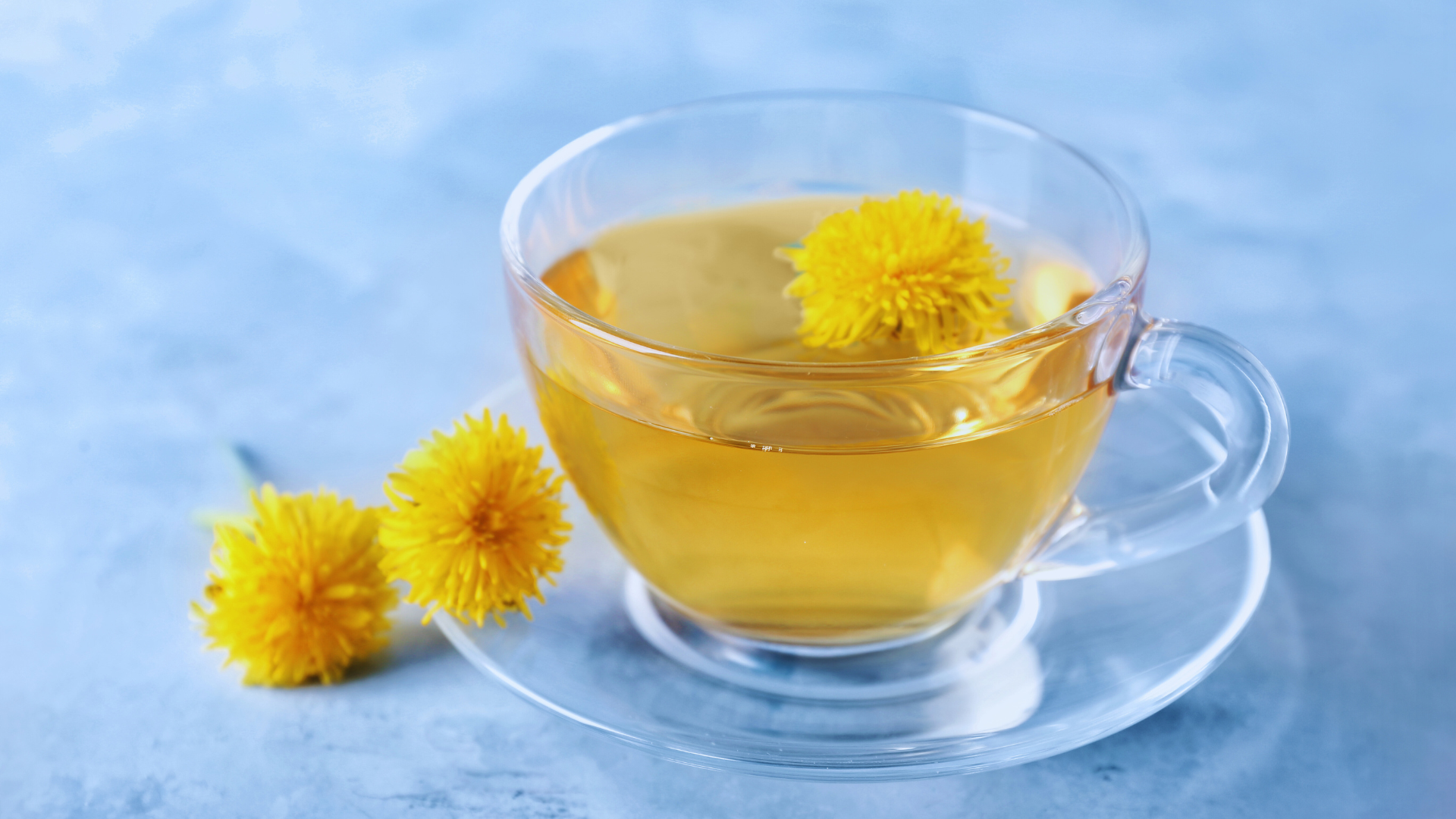
Production of dandelion tea is straightforward and versatile, utilizing different parts of the plant: roots for a robust, coffee-like brew; leaves for a greener, slightly bitter infusion; and flowers for a milder, sweeter version. Harvesting typically occurs in spring or fall when the plant’s energy concentrates in the desired part—roots are dug up, cleaned, and roasted for depth, while leaves and flowers are picked fresh and dried. The process involves air-drying or low-heat dehydration to preserve bioactive compounds like flavonoids, inulin, and sesquiterpenes, with no oxidation or fermentation required. Roasted dandelion root, in particular, mimics coffee production by being chopped, roasted at moderate temperatures, and ground, yielding a dark, earthy beverage popular as a caffeine-free alternative.
The flavor of dandelion tea varies by preparation: root-based versions offer a rich, nutty, and slightly bitter taste reminiscent of light-roast coffee, with undertones of caramel or chocolate; leaf tea is more herbaceous and astringent, akin to green vegetables; while flower tea is delicately sweet and floral. It’s naturally caffeine-free, making it an excellent choice for any time of day, especially evenings, without disrupting sleep. Nutritionally, a cup provides about 25 calories, with vitamins A, C, K, and minerals like potassium and iron, supporting its role as a nutrient-dense drink.
Health benefits of dandelion tea are extensive and backed by traditional use and emerging research. As a natural diuretic, it helps reduce water retention and supports kidney function, potentially aiding blood pressure management. Its liver-protective properties come from antioxidants that promote detoxification and bile production, improving digestion and alleviating issues like bloating or indigestion. Dandelion may regulate blood sugar through inulin, a prebiotic fiber, and lower cholesterol via bioactive compounds. Anti-inflammatory effects could relieve conditions like arthritis or menstrual cramps, while its immune-boosting vitamins enhance overall resilience. Some studies indicate potential anti-cancer properties in lab settings, though more human trials are needed. Versatile beyond drinking, dandelion tea is used in compresses for skin health or blended with other herbs for enhanced effects, making it a go-to for holistic wellness, particularly for those avoiding caffeine or seeking digestive support.
Key Differences Between White Tea and Dandelion Tea
While both white tea and dandelion tea offer comforting, health-oriented experiences, their differences span botany, preparation, and physiological impacts, catering to varied preferences.
Plant Source and Classification: White tea is a true tea from Camellia sinensis, native to subtropical Asia, classifying it among caffeinated teas like green and black. Dandelion tea is an herbal tisane from Taraxacum officinale, a temperate weed found globally, placing it in the caffeine-free herbal category alongside chamomile or peppermint. This fundamental divide influences their nutrient profiles—white tea’s catechins versus dandelion’s inulin—and cultivation: white tea requires specific mountainous terrains, while dandelion grows wild or in gardens.
Processing and Preparation: White tea’s minimal withering and drying preserve delicate antioxidants, requiring water at 170–185°F for 2–5 minutes to avoid astringency. Dandelion tea involves drying or roasting parts of the plant, steeped in boiling water for 5–10 minutes, yielding a bolder extraction. White tea focuses on subtlety, while dandelion emphasizes robustness, especially in roasted forms.
Caffeine Content: A major contrast is caffeine: white tea provides 6–55 mg per cup for mild stimulation, whereas dandelion tea is entirely caffeine-free, ideal for relaxation or those with sensitivities.
Flavor Profiles: White tea delights with light, sweet, and layered notes of honey and fruits, appealing to refined palates. Dandelion tea offers earthier, bitter-sweet flavors—like coffee in root form or greens in leaves—suited for those craving depth. White tea is forgiving and elegant, while dandelion can be acquired but rewarding for its intensity.
Health Benefits: Both are antioxidant-rich, but benefits diverge. White tea excels in metabolic support, reducing heart disease risk, aiding weight loss via fat metabolism, protecting skin from UV damage, and potentially fighting cancer through EGCG. It also supports brain health with theanine for focus without jitters. Dandelion shines in detoxification, acting as a diuretic for fluid balance, enhancing liver and kidney function, improving digestion with prebiotics, and regulating blood sugar or cholesterol. It’s particularly noted for anti-inflammatory relief in joints or menstruation and immune fortification via vitamins. White tea offers broader anti-aging and cardiovascular perks, while dandelion targets gut and detox needs.
Availability, Cost, and Uses: White tea is premium and pricier ($20–50 per ounce) due to selective harvesting, best for pure enjoyment. Dandelion tea is affordable and accessible (under $10 per box), often foraged or bought, and multifunctional in remedies like tonics or topical applications. White tea fits energizing daytime routines, dandelion suits evening detox.
Similarities and Choosing Between Them
Despite contrasts, white tea and dandelion tea share antioxidant potency for overall wellness, low-calorie hydration, and versatility hot or iced. Both support digestion and inflammation reduction, making them complementary in blends for enhanced benefits.
Choose white tea for subtle energy and skin/heart focus, or dandelion for caffeine-free detox and liver aid. Experimenting with both can enrich your tea repertoire, perhaps alternating based on time or health goals.
Conclusion
White tea and dandelion tea, though both gentle and beneficial, embody distinct worlds: one of refined tradition and mild stimulation, the other of earthy resilience and purifying power. From ancient Chinese courts to global herbal lore, their journeys highlight nature’s diversity in promoting health. Embracing these differences allows for personalized wellness—whether savoring white tea’s elegance or dandelion’s robustness. Explore premium options on onotea.com to discover your ideal brew, fostering a balanced, mindful lifestyle through every sip.
