
Tea enthusiasts often find themselves navigating a vast world of flavors, aromas, and health benefits when choosing their next brew. Among the myriad options, white tea and jasmine tea stand out for their delicate profiles and cultural significance. White tea, known for its minimal processing and subtle elegance, originates from the young leaves and buds of the Camellia sinensis plant. Jasmine tea, on the other hand, is celebrated for its intoxicating floral scent, achieved by infusing tea leaves with jasmine blossoms. But are these two teas truly comparable? While white tea represents a pure, unadulterated category of tea, jasmine tea is essentially a scented variety, most commonly based on green tea, though it can also use white or black tea as its foundation.
This article delves into the nuances that set white tea apart from jasmine tea, exploring their histories, production methods, flavors, health benefits, and more. Whether you’re a novice sipper or a seasoned connoisseur, understanding these differences can enhance your appreciation and help you select the perfect cup for any occasion. At OnoTea.com, we believe in empowering tea lovers with knowledge to make informed choices. Let’s brew up the details.
Understanding White Tea
White tea holds a revered place in the tea pantheon, often hailed as the most delicate and least processed of all true teas derived from Camellia sinensis. Its origins trace back to China’s Fujian province during the Tang Dynasty (618–907 AD), where it was initially reserved for emperors due to its rarity and labor-intensive harvesting. The name “white tea” comes from the silvery-white hairs on the unopened buds of the tea plant, which give the dried leaves a whitish appearance.
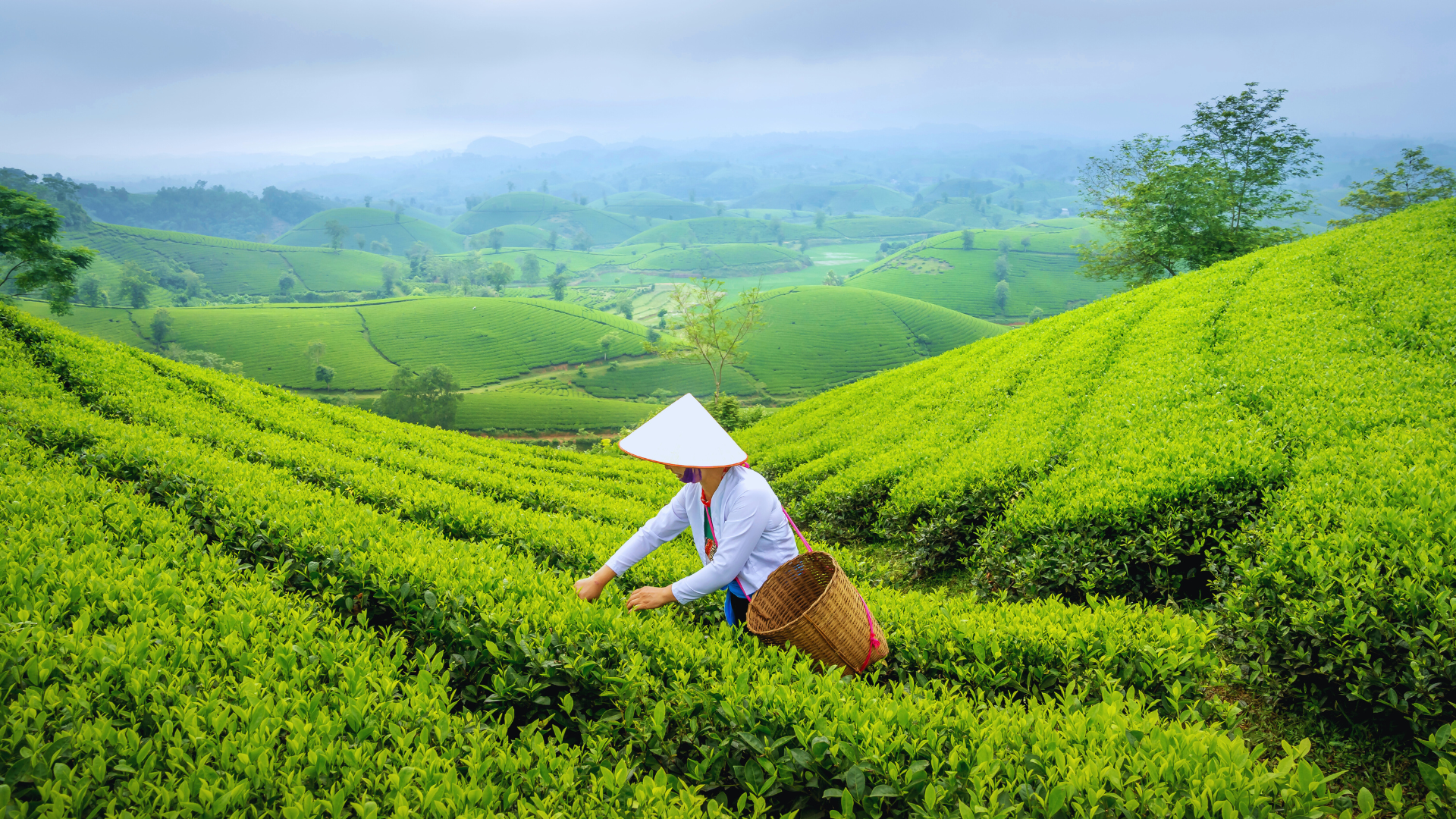
The production process of white tea is remarkably simple, emphasizing natural withering over mechanical intervention. Leaves and buds are plucked in early spring when they are young and tender, then allowed to wither in natural sunlight or controlled indoor conditions to reduce moisture content. Following this, they are gently dried—either by air, sun, or low-heat mechanical methods—to preserve their natural compounds. Unlike other teas, white tea skips steps like rolling, steaming, or oxidation, which helps retain high levels of antioxidants. This minimal processing results in a tea that is light in color and flavor, with a pale yellow brew when steeped.
There are several types of white tea, graded by quality and leaf composition. The highest grade is Baihao Yinzhen (Silver Needle), made exclusively from plump buds, offering a sweet, floral subtlety. Bai Mudan (White Peony) includes one bud and two young leaves, providing a slightly fuller body. Lower grades like Gongmei and Shoumei incorporate more mature leaves, yielding earthier notes. Flavor-wise, white tea is mellow and nuanced, with hints of honey, melon, and fresh hay. It’s low in bitterness, making it ideal for those seeking a gentle introduction to loose-leaf teas.
Health benefits of white tea stem from its rich polyphenol content, particularly catechins like epigallocatechin gallate (EGCG). These compounds act as powerful antioxidants, combating free radicals and supporting immune function. Studies suggest white tea may aid in weight management by boosting metabolism and inhibiting fat cell formation. It also promotes skin health by reducing wrinkles and protecting against UV damage, while its antibacterial properties help prevent cavities and infections. With caffeine levels ranging from 6 to 55 mg per cup—typically lower than green or black tea—white tea is a calming yet invigorating option for daily consumption.
In terms of brewing, white tea demands care to avoid overpowering its subtlety. Use water at 75–85°C (167–185°F) and steep for 2–5 minutes. Multiple infusions are possible, revealing evolving flavors with each steep.
Understanding Jasmine Tea
Jasmine tea, with its enchanting floral aroma, evokes images of ancient Chinese gardens where jasmine vines bloom under the moonlight. Originating in China’s Fujian province during the Song Dynasty (960–1279 AD), it quickly became a staple in imperial courts and later spread across Asia and the world. Unlike white tea, which is a distinct category, jasmine tea is not defined by its base but by its scenting process. It involves infusing tea leaves with the fragrance of jasmine blossoms (Jasminum sambac or Jasminum officinale), creating a harmonious blend of tea and flower.
The production of jasmine tea is an artful, time-intensive ritual. Base tea leaves—harvested in spring—are stored until summer when jasmine flowers are in peak bloom. Flowers are picked in the morning when closed and kept cool until evening, when they open and release their potent aroma. The scenting occurs through layering: tea leaves are alternated with fresh jasmine flowers in a controlled environment, allowing the leaves to absorb the scent over several hours. This process is repeated up to seven times for premium grades like Yin Hao, after which the flowers are removed, and the tea is dried to seal in the flavor. Lower-quality versions may use artificial essences, but true jasmine tea relies on natural absorption.
Types of jasmine tea vary by base. The most common is jasmine green tea, where the grassy notes of green tea complement the jasmine’s sweetness. Jasmine white tea uses white tea as the base, resulting in a milder infusion. Jasmine black tea offers a bolder profile, while rarer variants include jasmine oolong or pu-erh. Flavor profiles are dominated by the jasmine’s sweet, heady fragrance, often described as perfumy and soothing, with underlying notes from the base tea—earthy in green, delicate in white.
Health benefits of jasmine tea largely mirror those of its base, enhanced by jasmine’s properties. As a green tea base is standard, it boasts antioxidants like polyphenols that support heart health, aid weight loss, and boost brain function. Jasmine itself adds calming effects, reducing stress and promoting relaxation through compounds like linalool. It may improve oral health by fighting bacteria and freshen breath naturally. For jasmine white tea, the benefits amplify white tea’s anti-aging antioxidants. Caffeine content depends on the base: around 20–30 mg per cup for green or white-based, higher for black.
Brewing jasmine tea is straightforward—use 80–90°C (176–194°F) water for green or white bases, steeping 2–3 minutes to avoid bitterness. It’s versatile in iced form or cocktails.
Key Differences Between White Tea and Jasmine Tea
While both teas share Chinese roots and appeal to those favoring lighter brews, their differences are profound, spanning production, taste, and beyond. Let’s break them down.
Processing and Origin
White tea’s processing is minimalist: plucking, withering, and drying, with no additional flavoring. This preserves the tea’s natural state, making it one of the purest forms. Jasmine tea, conversely, involves an elaborate scenting phase post-base processing, where jasmine flowers impart their essence repeatedly. White tea is exclusively from young Camellia sinensis leaves, while jasmine tea’s base can vary, leading to hybrid forms like jasmine white tea. Geographically, both hail from Fujian, but jasmine production requires proximity to jasmine-growing regions.
Flavor and Aroma
Flavor is where the contrast shines. White tea offers a subtle, natural elegance—light, sweet, with vegetal and fruity undertones like peach or cucumber, free from overpowering elements. Jasmine tea, however, is defined by its bold, floral aroma, which can mask the base tea’s nuances. Jasmine green tea tastes earthy and vibrant, while jasmine white tea is gentler but still jasmine-dominant. White tea suits purists; jasmine appeals to those craving perfume-like indulgence.
Caffeine Content
Caffeine levels differ subtly. White tea averages 15–30 mg per cup due to young leaves and minimal processing. Jasmine tea varies by base: similar for white or green (20–30 mg), but higher in black (40–60 mg). Both are lower than coffee, but white tea edges out as the milder energizer.
Health Benefits
Both teas are antioxidant powerhouses, but their profiles diverge. White tea’s minimal oxidation retains higher catechins, excelling in anti-aging, immune boosting, and metabolism support. Jasmine tea, leveraging its green base, aids weight loss, heart health, and cognitive function, with jasmine adding stress relief and antimicrobial benefits. Jasmine white tea combines both, offering enhanced antioxidants. However, white tea may have an edge in polyphenol concentration due to less interference.
Brewing Methods
Brewing highlights their delicacy. White tea requires cooler water (75–85°C) and longer steeps to unfold layers, thriving in gongfu-style multiple infusions. Jasmine tea uses slightly hotter water (80–90°C) for shorter times to prevent astringency, and it’s forgiving for beginners. Both benefit from high-quality water and loose leaves over bags.
Cost and Availability
White tea is pricier due to selective harvesting—up to $50–100 per 100g for premium Silver Needle— and less widely available outside specialty shops. Jasmine tea is more affordable ($10–30 per 100g) and ubiquitous, especially green variants, making it accessible for everyday enjoyment.
Uses and Pairings
White tea pairs with light foods like seafood or fruits, shining solo. Jasmine tea enhances Asian cuisine, iced teas, or desserts, its aroma elevating experiences.
Similarities Between White Tea and Jasmine Tea
Despite differences, both derive from Camellia sinensis, offer low caffeine, and provide antioxidant-rich brews. They share Fujian origins and appeal to health-conscious drinkers seeking subtlety over boldness.
Conclusion
Choosing between white tea and jasmine tea boils down to preference: opt for white tea’s pure, understated grace or jasmine tea’s aromatic allure. For a hybrid, try jasmine white tea. Explore our selections at OnoTea.com to discover your favorite. Whichever you choose, both promise a journey of flavor and wellness in every sip.
