Earl Grey tea, with its signature blend of black tea and bergamot oil, has evolved from a British staple into a global icon, seamlessly integrating into diverse tea rituals worldwide. Named after Charles Grey, the 2nd Earl Grey and British Prime Minister in the 1830s, this citrus-infused brew originated as a flavored black tea, possibly inspired by diplomatic exchanges with China and the bergamot groves of Italy. Its adaptability—balancing robust maltiness with floral-citrus notes—has allowed it to transcend borders, adapting to local customs while retaining its elegant essence. From formal ceremonies to casual daily habits, Earl Grey features in rituals that emphasize hospitality, reflection, and social bonding, reflecting tea’s universal role in cultural expression.
As tea culture globalizes, Earl Grey has been reimagined: in cocktails, lattes, and fusions with regional ingredients, blending tradition with innovation. This article explores how Earl Grey is incorporated into tea rituals across continents, highlighting adaptations like lavender-infused versions in France or spiced blends in Russia. We will examine British origins, European variations, North American modern twists, Asian influences, and emerging customs in other regions. By understanding these practices, enthusiasts can appreciate Earl Grey’s versatility, fostering a deeper connection to global heritage. In a world where tea consumption exceeds 3 billion cups daily, Earl Grey’s presence in rituals underscores its timeless appeal, bridging history and contemporary wellness trends.
With its health benefits—antioxidants from black tea and calming bergamot—Earl Grey enhances rituals focused on mindfulness and community, inviting participants to savor not just the flavor, but the cultural stories steeped within.
British Traditions: The Birthplace of Earl Grey Rituals
In the United Kingdom, Earl Grey anchors the quintessential afternoon tea ritual, a social custom originating in the 1840s when Anna, the 7th Duchess of Bedford, introduced it to bridge the gap between lunch and dinner. Served between 3:30 and 5:00 pm, this ceremony features Earl Grey as a preferred choice, often brewed strong and accompanied by milk, lemon, or sugar to complement its citrus profile. The ritual unfolds with tiered stands of finger sandwiches, scones with clotted cream and jam, and pastries, emphasizing elegance and conversation in settings from grand hotels to cozy homes.
Queen Elizabeth II reportedly favored Earl Grey, reinforcing its royal status in British customs. Adaptations include high tea variations, where Earl Grey pairs with heartier fare like meats and cheeses, evolving from working-class suppers. In modern Britain, Earl Grey appears in breakfast blends, merging with Assam or Ceylon teas for a morning ritual that kickstarts the day with sophistication. Personal customs, such as adding honey for a soothing 3 p.m. break, highlight its role in daily mindfulness.
This ritual promotes relaxation and social bonds, with Earl Grey’s bergamot cutting through richness, ensuring a balanced experience. Contemporary twists include decaffeinated versions for evening unwinding, maintaining the tradition’s adaptability.
European Adaptations: Floral and Citrus Infusions
Across Europe, Earl Grey has been embraced and modified to align with local flavors and ceremonies. In France, where lavender fields inspire culinary innovation, Lavender Earl Grey—also known as Lady Grey—combines bergamot with lavender petals, creating a fragrant adaptation suited for afternoon pauses. This blend features in Parisian salons, served with macarons or madeleines, evoking a refined ritual that blends British influence with French elegance. French Earl Grey further adapts with rose petals, adding a romantic floral note for intimate gatherings.
Italy, the primary source of bergamot, incorporates Earl Grey into citrus-centric customs. In Calabria, where bergamot is harvested, locals infuse black tea with fresh rind oils during family meals, a nod to the fruit’s heritage. This practice extends to espresso bars, where Earl Grey lattes offer a caffeine alternative, adapting to Italy’s coffee culture while highlighting bergamot’s native purity.
In Russia, the samovar-centered tea ceremony— a communal ritual around a heated urn—features Russian Earl Grey, enhanced with lemongrass, citrus peels, vanilla, and caramel for a richer, sweeter profile. Served as zavarka (concentrate) diluted with hot water, it’s paired with jam, pastries, or lemon, fostering extended conversations. This adaptation reflects Russia’s preference for bold, comforting brews during long winters.
Germany and the Netherlands favor Earl Grey in high tea equivalents, often with milk and biscuits, while Scandinavian countries add spices like cardamom for hygge-inspired coziness. These European customs underscore Earl Grey’s flexibility, transforming it from a British export into a canvas for regional botanicals.
North American Customs: Modern Twists and Casual Rituals
In North America, Earl Grey rituals blend British heritage with innovative adaptations, reflecting a casual, creative approach to tea. The United States, where Earl Grey arrived in the 1880s, incorporates it into afternoon tea events at historic hotels, but with American flair—such as iced versions for warmer climates. In Denver, mixologists craft Earl Grey martinis and tea-infused cocktails, merging the blend into bar culture for social evenings.
The London Fog latte, a Canadian invention, has become a staple ritual: Earl Grey steeped in hot milk with vanilla syrup, often enjoyed as a morning or afternoon pick-me-up. This creamy adaptation suits North America’s coffeehouse scene, with variations using oat or coconut milk for dietary preferences. Personal customs abound, like blending Earl Grey with vanilla chai for a spiced morning ritual, topped with frothed milk and cinnamon.
In the U.S. South, Earl Grey features in sweet tea traditions, cold-brewed with lemon for porch gatherings, while West Coast wellness trends infuse it into herbal decaf versions for mindfulness sessions. These customs emphasize accessibility and experimentation, making Earl Grey a bridge between tradition and modern lifestyles.
Asian Influences: Fusion with Eastern Tea Practices
Asia, tea’s birthplace, has adopted Earl Grey through colonial legacies and modern fusions, creating unique rituals. In India, where black tea dominates, Earl Grey adapts into chai-like customs: blended with cardamom, cinnamon, and milk for a spiced afternoon ritual sold by chaiwalas. This hospitality-driven practice transforms Earl Grey into a communal drink, reflecting India’s vibrant street culture.
Japan, known for matcha ceremonies, experiments with Earl Grey in hybrid rituals, infusing it into green tea blends like Earl Green for contemporary chanoyu variations. Served in minimalist settings, it emphasizes mindfulness, with bergamot complementing umami notes.
In China, Earl Grey draws from gongfu cha, brewed in small pots for multiple infusions, highlighting bergamot’s evolution from its legendary mandarin origins. Taiwan uses oolong bases for Earl Grey, creating lighter rituals paired with pineapple cakes.
These Asian adaptations honor tea’s roots while incorporating Earl Grey’s Western flair, fostering cross-cultural exchanges in daily and ceremonial practices.
Middle Eastern and African Variations: Hospitality and Spice
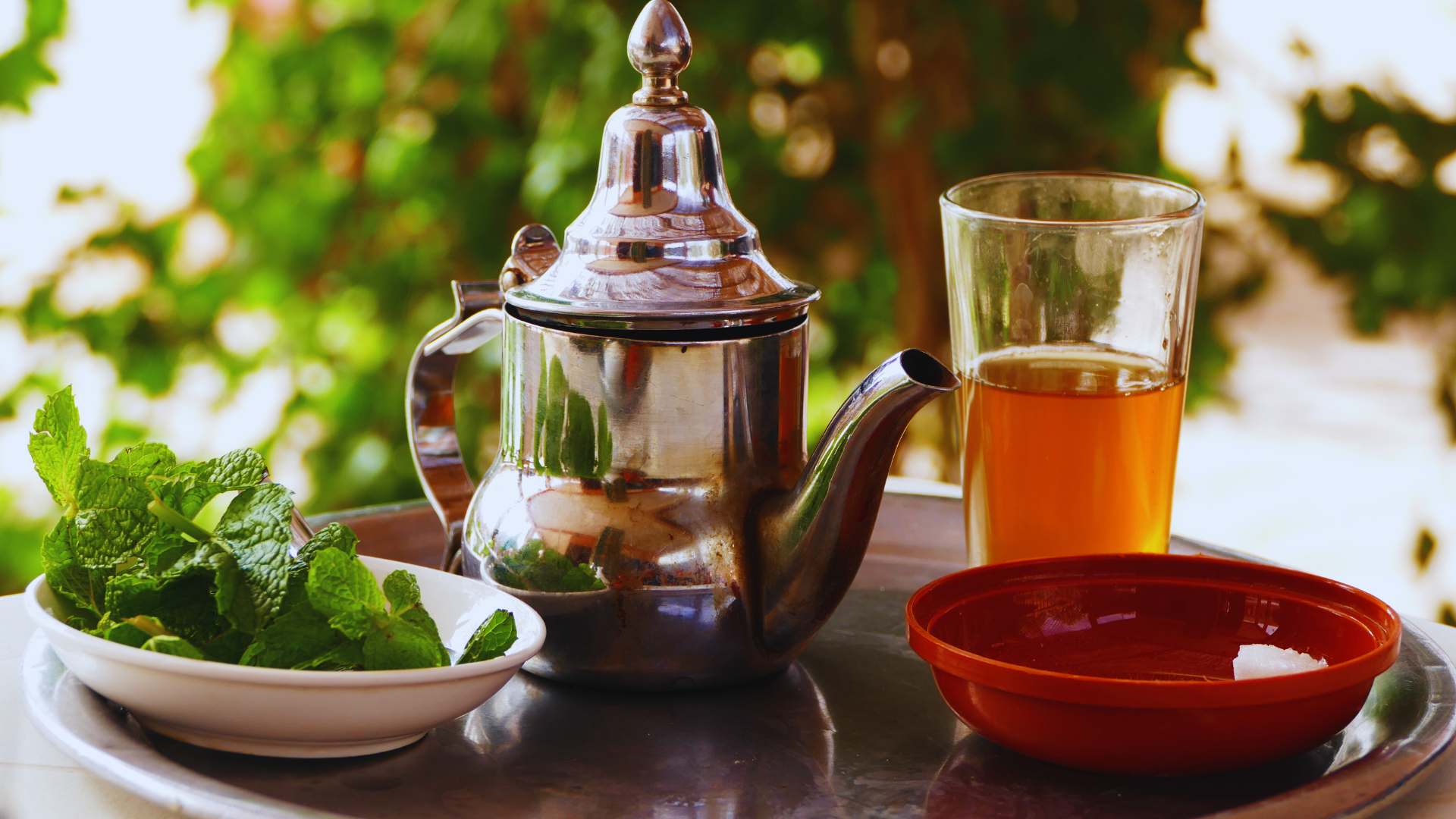
In the Middle East, Earl Grey aligns with mint tea customs, adapted in Morocco by adding bergamot to gunpowder green tea for atay rituals—poured from height to aerate, symbolizing hospitality. Served in ornate glasses with sweets, it enhances social gatherings.
Africa’s chai traditions in Kenya and Tanzania incorporate Earl Grey into spiced shai, brewed with milk and ginger for community events. In Ethiopia, it’s fused with local herbs for reflective pauses.
These customs emphasize warmth and connection, with Earl Grey’s citrus cutting through spices for refreshing twists.
Australian and Oceanic Rituals: Casual and Coastal
In Australia, Earl Grey features in afternoon tea traditions, often iced for hot climates, paired with lamingtons in backyard barbecues. New Zealand adapts it with manuka honey for wellness rituals.
Oceanic islands blend it with tropical fruits, creating fusion customs for relaxed island life.
Modern Global Fusions: Desserts, Cocktails, and Innovations
Contemporary rituals transcend borders: Earl Grey in desserts like brownies or ice cream for tea parties. Cocktails, such as Earl Grey Mar-tea-nis, feature in urban bars worldwide. Health-focused blends, like decaf or green Earl Grey, support mindfulness practices.
These fusions highlight Earl Grey’s role in evolving customs, from virtual tastings to sustainable sourcing.
Conclusion: Earl Grey’s Enduring Global Legacy
Earl Grey’s integration into worldwide tea rituals showcases its adaptability, from British elegance to global innovations. These customs enrich cultural narratives, promoting unity through shared sips. As tea evolves, Earl Grey remains a versatile thread, inviting exploration of traditions old and new.
