
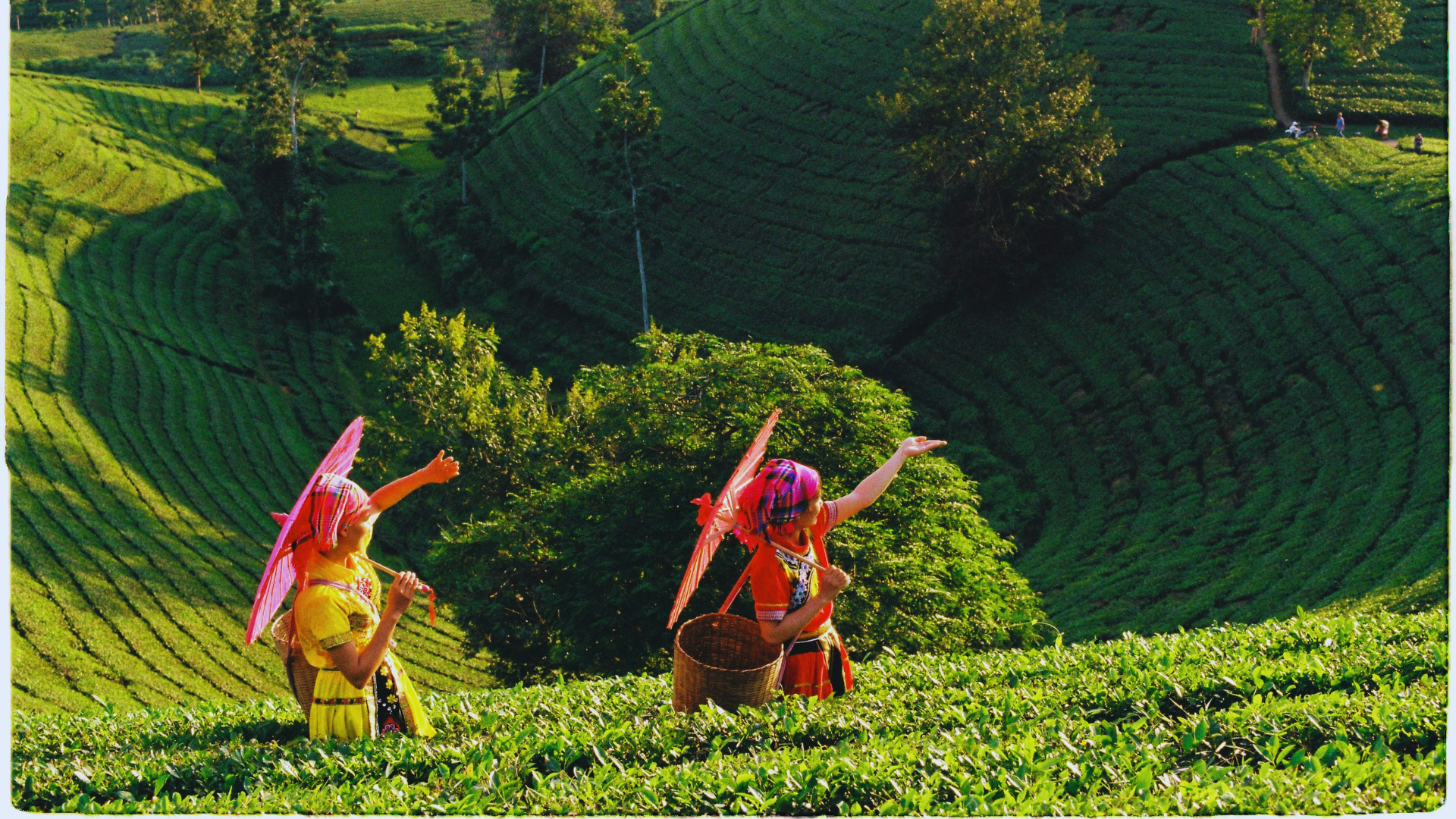
There’s something wonderfully comforting about a perfect cup of Indian black tea. Whether it’s the robust, milky brew that powers you through a busy morning or the delicate, fragrant sip that feels like a gentle afternoon escape, India’s two most iconic black teas—Assam and Darjeeling—offer dramatically different pleasures. One is bold and malty, the other elegant and muscatel-kissed. Together, they represent the beautiful diversity that comes from terroir, harvest timing, and the skilled hands of tea makers.
If you’ve ever stood in front of a tea shelf wondering why one Assam feels like a warm hug while a Darjeeling whispers like fine champagne, you’re not alone. These beloved teas come from neighboring regions yet taste worlds apart, thanks to differences in landscape, climate, cultivars, and seasonal rhythms. In this friendly guide, we’ll take a deep dive into the heart of Assam’s second-flush malty boldness versus Darjeeling’s first-flush muscatel elegance. We’ll explore their unique terroirs, the magic of harvest seasons, how to brew each to perfection, and the ideal food pairings that make every cup sing. Settle in with your kettle at the ready, and let’s celebrate these two treasures of Indian tea culture.
Understanding Terroir: Where Geography Shapes Every Sip
Terroir—the unique combination of soil, climate, altitude, and environment—plays the starring role in distinguishing Assam from Darjeeling. Just as wine lovers speak of Bordeaux versus Burgundy, tea enthusiasts treasure the distinct personalities born from these Indian landscapes.
Assam lies in the lowlands of northeastern India, cradled by the mighty Brahmaputra River. This tropical region features hot, humid summers, heavy monsoon rains, and fertile alluvial soils rich in nutrients. Elevations are modest, rarely climbing above a few hundred feet, creating a lush, fast-growing environment. The dominant cultivar here is Camellia sinensis var. assamica—a large-leafed variety native to the area that thrives in the warmth and moisture. The result? Robust bushes that produce generous, sturdy leaves packed with bold compounds. Assam teas tend to be full-bodied, with deep, earthy strength that stands up beautifully to milk and sugar.
In striking contrast, Darjeeling sits high in the foothills of the Himalayas in West Bengal. Tea gardens here perch between 2,000 and 7,000 feet, where cool mountain air, frequent mists, and well-drained, slightly acidic soils create slower, more delicate growth. The climate is markedly cooler, with distinct seasonal shifts and lower average temperatures that stress the plants in a way that concentrates subtle flavors. Darjeeling primarily uses the smaller-leafed Camellia sinensis var. sinensis (Chinese variety), though some assamica influences exist. The high altitude and misty conditions slow leaf development, allowing complex aromatic compounds to build. This is why Darjeeling is often called the “Champagne of Teas”—its profile is lighter, more nuanced, and elegantly fragrant rather than powerfully assertive.
The soil difference is telling too. Assam’s rich, loamy plains deliver consistent nourishment for a strong, malty character. Darjeeling’s Himalayan slopes, with their rocky, mineral-rich earth and excellent drainage, encourage finesse and floral complexity. Rainfall patterns amplify these traits: Assam’s heavy, steady downpours fuel vigorous growth, while Darjeeling’s frequent but gentler mists and seasonal rains promote concentrated, refined leaves.
These terroir distinctions mean Assam delivers comforting reliability and bold presence, while Darjeeling offers poetic variation and refined elegance. Neither is “better”—they simply shine in different moments of the day and seasons of life.
The Rhythm of Harvest: How Seasons Transform Character
Harvest timing, or “flushes,” dramatically shapes both teas, but the effects are especially pronounced in Darjeeling with its four distinct seasons, compared to Assam’s more straightforward cycle.
In Assam, the growing season begins after winter dormancy. The first flush (March to early April) brings tender new shoots after the cool season. These teas are lighter, fresher, and more flowery with golden tips and a brisk, somewhat delicate character. While pleasant, first-flush Assam is often considered less intense than later harvests. The real star is the second flush (May to June), when warmer weather and vigorous growth produce mature leaves rich in natural sugars and polyphenols. Second-flush Assam develops its signature deep malty notes, spicy undertones, and full-bodied strength—often with hints of dried fruit, caramel, or warm honey. This is the flush most prized for classic breakfast blends and everyday robust cups. An autumn flush may follow, offering mellower, woodier tones, but the second flush remains the gold standard for bold Assam character.
Darjeeling’s flushes tell a more nuanced story, with dramatic shifts that delight connoisseurs. The first flush (March to April) arrives after winter rest, yielding the most delicate teas of the year. Young buds and leaves create a light, bright liquor with floral, grassy, and sometimes champagne-like notes. These teas are brisk yet elegant, with subtle sweetness and minimal astringency—perfect for those who love refinement over power. Many describe first-flush Darjeeling as having a crisp, green-apple or light muscatel hint, though the true famous “muscatel” peaks later.
The second flush (May to June) is when Darjeeling truly sings its signature song. Summer sun and warmer temperatures encourage fuller leaf development and the legendary muscatel flavor—a complex, sweet note often likened to ripe muscat grapes, black currants, honey, or even a touch of stone fruit and spice. The liquor turns a deeper amber-gold, the body becomes more rounded, and the aroma gains delightful complexity. This flush is fuller-bodied than the first yet still far lighter than Assam, balancing fruitiness with a gentle astringency that refreshes rather than overwhelms.
Later flushes in Darjeeling—monsoon (rainy season) and autumn—produce stronger, more rustic teas suitable for blending, but they lack the celebrated finesse of the spring and early summer harvests. The key takeaway? Darjeeling’s character shifts dramatically with each flush, rewarding seasonal exploration, while Assam offers more consistent boldness, with its second flush representing the peak of malty richness.
Flavor Profiles: Malty Boldness Meets Muscatel Elegance
When you brew a fine second-flush Assam, expect a dark, coppery liquor that fills the cup with confidence. The aroma is rich and inviting—think warm malt, toasted nuts, dark chocolate, and a hint of spice or dried fruit. On the palate, it’s full-bodied and brisk, with a satisfying maltiness that coats the tongue. There’s often a natural sweetness balanced by pleasant astringency, making it ideal for those who enjoy a tea that feels substantial and energizing. The finish lingers warmly, sometimes with earthy or honeyed undertones. This is the tea that stands up to a splash of milk without losing its voice—comforting, reliable, and deeply satisfying.
Darjeeling, particularly its first and second flushes, paints a lighter, more aromatic picture. First-flush examples offer a pale golden or greenish-tinged liquor with delicate floral scents—jasmine, lilac, or fresh greenery—and a crisp, almost sparkling quality. Flavors lean toward light fruit, subtle sweetness, and a gentle briskness that feels refreshing and sophisticated.
Second-flush Darjeeling elevates this further with its hallmark muscatel character. The aroma bursts with grape-like florals, honey, and hints of stone fruit or rose. In the cup, you’ll find a medium body that’s never heavy, layered notes of muscat grape, black currant, apricot, or even a touch of spice and woodiness. There’s a bright acidity and silky finish that lingers elegantly. Unlike Assam’s straightforward boldness, Darjeeling unfolds in waves—each sip revealing new nuances. The leaves themselves often look more delicate, with silvery tips in premium grades, and the overall experience feels refined and celebratory.
In short, Assam delivers comforting power and depth, while Darjeeling offers fragrant poetry and complexity. Many enthusiasts keep both in their collection, reaching for Assam on brisk mornings and Darjeeling when they crave something more contemplative.
Brewing Nuances: Unlocking the Best in Each
Proper brewing honors the unique character of each tea and prevents disappointment.
For Assam, especially prized second-flush orthodox or CTC grades, use freshly boiled water (around 195–212°F / 90–100°C). Measure 1 teaspoon (about 2–3 grams) per 8 ounces of water and steep for 3–5 minutes. This fuller heat and time extract the robust malty notes without excessive bitterness. Assam shines with milk and a touch of sugar if you enjoy traditional British-style tea, though high-quality orthodox leaves are lovely black as well. Experiment with shorter steeps for brighter cups or longer for deeper strength.
Darjeeling demands gentler treatment to preserve its delicate aromatics. Use water at 185–195°F (85–90°C)—never fully boiling—and steep for just 2–3 minutes (or shorter for first flush). A higher leaf-to-water ratio works beautifully in gongfu style with multiple short infusions, allowing you to watch the flavors evolve across several cups. Enjoy Darjeeling straight, without milk or sugar, so its nuanced florals and muscatel can shine. Over-steeping or overly hot water can turn these elegant teas bitter or flat, so precision pays off.
Store both teas in airtight containers away from light and strong odors. Freshness matters especially for Darjeeling’s volatile aromatics, while quality Assam holds its character a bit more robustly.
Ideal Pairings: Matching Character with Cuisine
The right food companionship elevates these teas from good to memorable.
Assam’s bold, malty profile pairs wonderfully with hearty, rich foods. Think classic English breakfast—sausages, bacon, eggs, and grilled tomatoes—where the tea’s strength cuts through fat and complements savory spices. It stands up beautifully to full English or Irish breakfasts, sharp cheeses, chocolate desserts, gingerbread, or even spicy Indian curries and roasted meats. For sweets, try carrot cake, oatmeal cookies, or dark chocolate. Its comforting depth makes Assam a natural for afternoon high tea with scones and clotted cream or as a robust after-dinner digestif.
Darjeeling, with its lighter elegance, loves delicate and subtly sweet or fruity companions. First-flush versions pair exquisitely with fresh fruits (strawberries, apples, grapes), light pastries, soft cheeses, custards, or mild seafood like grilled salmon or delicate curries. Second-flush Darjeeling’s muscatel notes dance with berry tarts, honey-drizzled desserts, nutty pastries, or even dark chocolate with fruit elements. Savory matches include mild cheeses, salads with light vinaigrettes, or Asian-inspired dishes with subtle spices. Many enthusiasts enjoy it alongside afternoon scones (without heavy cream) or simply on its own to appreciate its refinement.
Cross-pairing can be fun too—a strong Assam with buttery croissants or a muscatel Darjeeling with ripe peaches—but respecting each tea’s natural strengths usually yields the most harmonious results.
Why Both Deserve a Place in Your Tea Collection
Assam and Darjeeling aren’t rivals—they’re complementary treasures that showcase India’s tea diversity. Assam brings reliable strength and malty warmth, perfect for energizing starts and hearty meals. Darjeeling offers seasonal poetry, from crisp floral first flushes to grape-kissed second flushes, ideal for mindful sipping and lighter fare.
Exploring both deepens your appreciation for how terroir and season shape every leaf. Start by tasting side-by-side: brew a second-flush Assam and a second-flush Darjeeling on the same afternoon. Notice how the malty boldness contrasts with the muscatel elegance. Over time, you’ll develop favorites for different moods, times of day, and occasions.
Whether you’re a longtime tea lover or just beginning to explore beyond the everyday bag, these iconic Indian blacks invite you to slow down, savor differences, and celebrate the beautiful range within one beloved category. Assam comforts with its bold embrace; Darjeeling delights with its fragrant whisper. Together, they remind us that the world of tea is rich, varied, and endlessly rewarding—one fragrant, character-filled cup at a time.
