
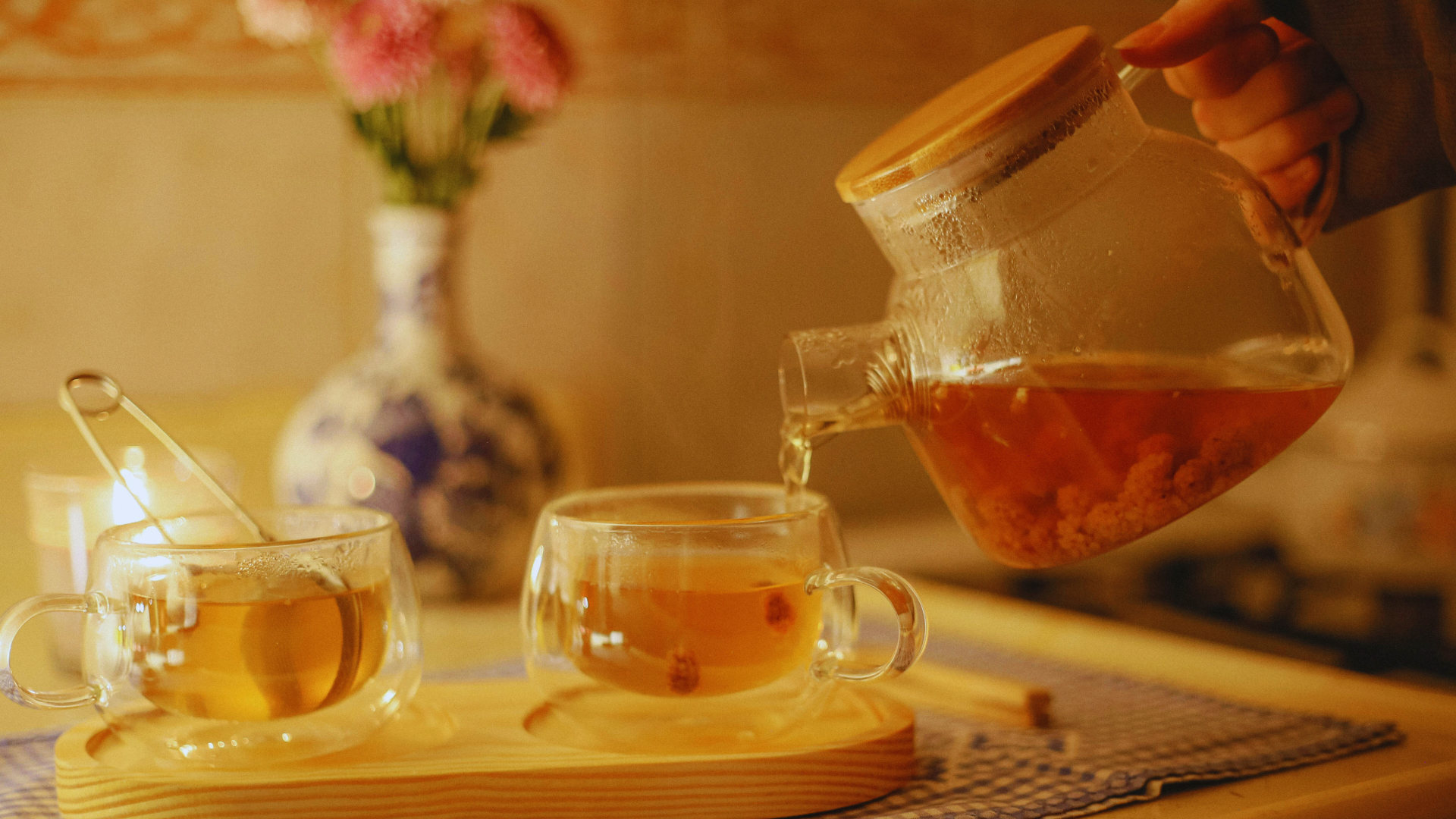
As a woman juggling deadlines, family logistics, intense workouts, and the monthly hormonal shifts that can leave you bloated, foggy, or drained, you already know true tea is more than a drink—it’s daily support. Pu-erh’s earthy depth and probiotic potential have won your heart, but the world of fermented teas stretches far beyond Yunnan’s famous cakes. From Thailand’s chewable miang to Japan’s lactic-acid sour brews, Myanmar’s salad-ready lahpet, China’s golden-flower bricks, Korean omija-influenced blends, and emerging African dark teas, these post-fermented wonders deliver unique microbial magic that transforms caffeine, polyphenols, and flavor into gut-nourishing elixirs.
At onotea.com, we source rare fermented teas because their naturally occurring probiotics, lower perceived caffeine, and complex aromas align perfectly with women’s wellness needs. Fermentation (via lactic acid bacteria, yeast, or friendly fungi) creates bioactive compounds that support digestion, immunity, and hormonal balance—relieving luteal-phase bloating, stabilizing energy through perimenopause, and promoting steady focus without jitters. Unlike oxidized black teas, these styles undergo true microbial transformation, often reducing caffeine while boosting bioavailability of antioxidants. Let’s explore the cultures, science, and modern adaptations that make these global treasures your new ritual allies.
The Science of Fermentation: Why These Teas Feel Different
All true teas start as Camellia sinensis, but fermentation—anaerobic piling, steaming, or barrel-aging with microbes—changes everything. Lactic acid bacteria (common in Japanese and Thai styles) produce tangy notes and probiotics that support gut microbiome diversity. Fungi like Eurotium cristatum in Chinese fu zhuan create “golden flowers” and unique metabolites. The result? Lower bitterness, smoother caffeine release (often 20–50 mg per cup versus pu-erh’s higher range), and enhanced bioavailability of catechins and theaflavins.
Studies show fermented teas improve gut barrier function, reduce inflammation, and modulate hormones via the gut-brain and gut-ovary axes—crucial for women dealing with PMS, perimenopausal shifts, or stress-related digestive issues. One review highlighted how microbial metabolites in these teas promote beneficial bacteria while suppressing pathogens, leading to better nutrient absorption and stable energy. For you, that means calmer afternoons, fewer cravings, and deeper sleep when paired with your cycle tracking.
Thai Miang: The Chewed “Eating Tea” of Northern Hills
In the misty mountains of northern Thailand, miang has been a daily staple for centuries among hill tribes and farmers. Made from Assam tea leaves (Camellia sinensis var. assamica), young and mature leaves are harvested, steamed for hours, bundled in banana leaves or bamboo, and fermented anaerobically for weeks to months. Two styles exist: filamentous fungi-based (sour, complex) and non-filamentous (milder). The result is a compact, pickled leaf cake that’s traditionally chewed as a snack with salt, chili, or peanuts—providing portable energy during long workdays in the fields.
Culturally, miang symbolizes community and resilience. Women in Chiang Mai and surrounding villages prepare it collectively, passing down techniques that sustain local economies and forest tea gardens centuries old. The fermentation mellows bitterness while boosting lactic acid bacteria, making it gentler on sensitive stomachs. Modern adaptations? Steep the leaves for a tangy iced tea or infuse into cocktails and salads for a probiotic boost. Caffeine sits around 25–45 mg per serving—smooth and sustained thanks to microbial binding. Women love miang during the luteal phase for its digestive soothing and subtle focus without overstimulation.
Japanese Awabancha and Goishicha: Lactic-Acid Sour Gems from Shikoku
On Japan’s Shikoku Island, post-fermented bancha styles like awabancha (Tokushima) and goishicha (Kochi) offer a sour-sweet twist rarely found elsewhere. Awabancha leaves are picked in summer, boiled, rubbed by hand, packed into barrels for lactic fermentation (often 1–2 weeks), then sun-dried. Goishicha follows a similar path but is steamed, stacked, covered for anaerobic fermentation, then pressed into stone-like cakes (hence “goishi” or game-stone tea).
These teas carry deep cultural roots in rural farming communities, where women historically fermented excess summer leaves to preserve nutrition through winter. The lactic acid bacteria create a pleasantly sour profile reminiscent of kombucha but earthier, with reduced caffeine (15–40 mg) and probiotic effects that support gut health. Science links these microbes to blood-sugar regulation and anti-allergic benefits—ideal for women managing hormonal insulin fluctuations or seasonal allergies.
Modern brewing: Steep 2–3g in 175°F water for 3–5 minutes or cold-brew overnight for a refreshing, probiotic-rich drink. Use in cooking—add to rice porridge or soups for depth. Many onotea.com customers sip awabancha post-dinner for gentle digestion and calm sleep during perimenopause.
Chinese Dark Teas: Liu Bao and Fu Zhuan’s Golden-Flower Magic
Beyond pu-erh, Guangxi’s liu bao (“six fort”) tea undergoes basket fermentation in humid conditions, developing a rich, woody profile with lower astringency. Fu zhuan (brick tea) from Hunan or Shaanxi features the famous “golden flowers”—Eurotium cristatum fungus that blooms during controlled piling, creating unique metabolites prized for centuries along the ancient tea-horse road.
These teas supported traders and nomadic women across harsh climates, offering portable probiotics and sustained energy. Fermentation significantly alters caffeine metabolism and boosts anti-inflammatory compounds. Women today use them for metabolic support during high-stress cycles or postpartum recovery—the gentle, earthy sip feels nourishing rather than stimulating.
Brew fu zhuan or liu bao gongfu-style: multiple short infusions build complexity while spreading caffeine evenly. Add to bone broth or use in desserts for innovative twists.
Burmese Lahpet and Korean Omija Influences: Flavorful Ferments and Berry Blends
In Myanmar, lahpet (pickled tea) leaves are fermented similarly to miang, then mixed into lahpet thoke salad with sesame, garlic, and peanuts—a beloved snack at festivals and family gatherings. The cultural ritual celebrates community and hospitality, with women often leading preparation for celebrations.
Korean omija-cha (five-flavor berry tea from Schisandra chinensis) isn’t leaf-fermented but influences modern blends: berries are fermented into omija cheong syrup with sugar, then added to true teas or dark blends. The five tastes (sweet, sour, bitter, salty, pungent) create balanced, adaptogenic drinks that support adrenal health and hormonal equilibrium—perfect for women navigating perimenopause or stress.
Modern adaptation: Brew lahpet as tea or recreate the salad at home. Blend omija syrup into fermented base teas for a sparkling probiotic mocktail.
African Variations: Emerging Dark Teas and Herbal Traditions
While Africa excels in bold black teas (Kenya, Malawi) and herbal infusions, fermented Camellia styles are growing. Malawi’s Satemwa estate produces shou-style dark teas through wet-piling, mirroring Chinese methods for rich, mellow cups with probiotic potential. Culturally, tea ceremonies in Senegal (ataya) and mint tea rituals across North Africa emphasize hospitality—women often lead preparation, fostering connection.
Herbal ferments like South African rooibos (naturally oxidized but sometimes further cultured) or West African kinkeliba provide similar microbiome support. These gentler profiles suit sensitive systems, delivering antioxidants without caffeine for evening rituals or pregnancy.
Brew African dark teas hot and strong or iced with citrus—add spices for chai-like warmth that soothes menstrual cramps or supports postpartum recovery.
Brewing Mastery and Recipe Adaptations for Everyday Wellness
Fermented teas reward experimentation. Use 2–3g leaf per cup, 175–205°F water, and multiple infusions to control strength. For chewed styles like miang or lahpet, start with short steeps or cold-brew to ease into the tangy profile. Add lemon or honey to brighten; milk tempers earthiness.
Recipe ideas:
- Probiotic Miang Salad: Chop fermented leaves, toss with peanuts and chili—lunchtime gut reset.
- Awabancha Overnight Oats: Steep leaves in oat milk for breakfast that balances hormones.
- Omija-Fermented Sparkler: Mix syrup with fu zhuan and sparkling water for an afternoon calm.
- Golden-Flower Latte: Whisk fu zhuan with steamed milk—cozy evening wind-down.
Cycle-smart: Bolder fermented blacks (liu bao) for follicular energy; sour Japanese styles or omija blends for luteal soothing.
Real-Life Wins: Women Embracing Global Ferments
Women across onotea.com share stories of transformation: a perimenopausal teacher swears by awabancha for bloat relief and steady focus. A busy mom incorporates miang-inspired infusions for family probiotic snacks. An athlete adds fu zhuan to post-workout smoothies for faster recovery. The common thread? Gentler caffeine, happier guts, balanced hormones, and a deeper cultural connection through tea.
Sip the World’s Fermented Wisdom
From Thailand’s ancient chewing tradition to Japan’s lactic gems, China’s fungal artistry, Myanmar’s festive salads, Korean berry influences, and Africa’s emerging dark teas, these fermented styles prove tea’s global power to nourish body and spirit. Their probiotics, mellow energy, and flavor depth support every phase of your life—hormonal harmony, digestive ease, and joyful rituals included.
Explore onotea.com’s curated fermented collection—source authentic miang, awabancha, fu zhuan, and more. Brew with intention, experiment boldly, and let these ancient elixirs fuel your modern wellness journey—one microbiome-loving sip at a time.
