
There’s a satisfying steadiness in brewing a cup of Nilgiri tea that feels both familiar and quietly distinctive. The liquor pours a bright coppery amber, releasing an inviting aroma that hints at fresh florals, light citrus, and a gentle maltiness. One sip reveals a brisk liveliness tempered by smooth, rounded body and a clean, naturally sweet finish that lingers without harsh edges. This is the quiet charm of Nilgiri black tea—bold enough to satisfy, balanced enough to enjoy every day, and versatile enough to shine in blends or on its own.
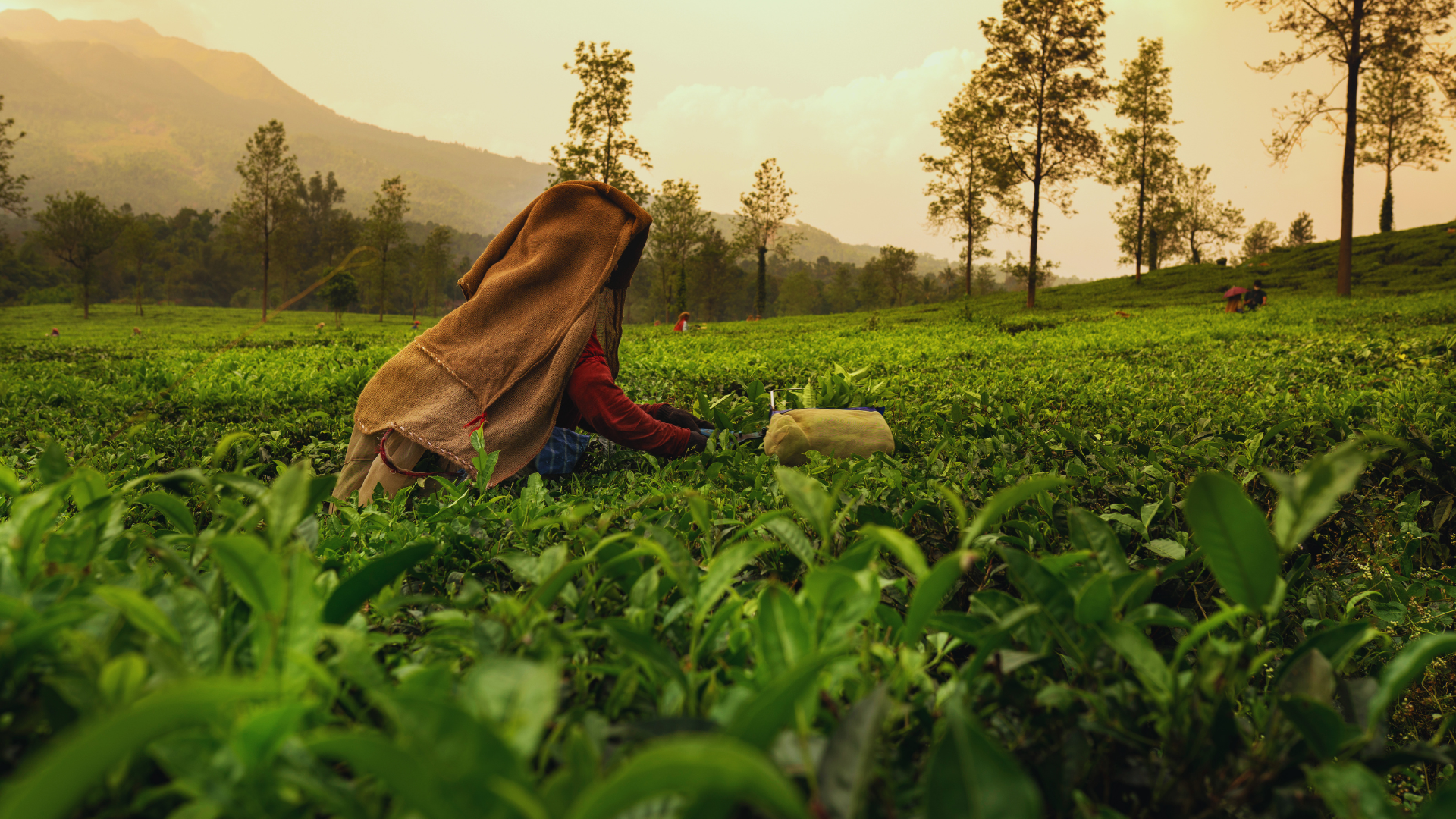
Often overshadowed by the dramatic muscatel flair of Darjeeling or the robust malt of Assam, Nilgiri teas from India’s southern Blue Mountains deserve far more attention. Grown in the rolling hills of the Nilgiri (or Nilgiris) range across Tamil Nadu, Kerala, and Karnataka, these teas benefit from a unique high-altitude climate that produces year-round harvests with consistent quality. In this friendly guide, we’ll journey into the misty Blue Mountains to explore the region’s distinctive climate and terroir, the flavor signatures that make Nilgiri stand apart, the seasonal variations that add depth throughout the year, and why these teas excel in everyday drinking and blending. Settle in with your kettle, and let’s discover the often-overlooked gem of Indian tea.
The Blue Mountains: A Unique High-Altitude Home
The Nilgiri Hills, literally “Blue Mountains” in Tamil due to the bluish haze that often blankets the peaks, rise dramatically from the plains of southern India. Tea cultivation here began in the mid-19th century when British planters, facing coffee failures, turned to tea on the gentle, rolling slopes at elevations typically between 1,000 and 2,500 meters (roughly 3,300 to 8,200 feet). Unlike the dramatic, steep Himalayan foothills of Darjeeling or the vast lowlands of Assam, Nilgiri’s topography features more undulating hills, misty valleys, and a subtropical highland climate that feels refreshingly temperate year-round.
This climate is the secret to Nilgiri’s balanced character. The region receives abundant rainfall from both the southwest and northeast monsoons, providing consistent moisture without the extreme seasonal swings seen further north. Temperatures stay relatively mild—cooler nights and moderate days slow leaf growth just enough to concentrate flavors while preventing the intense astringency that can develop in hotter lowlands. Volcanic-influenced soils rich in organic matter contribute to clean, bright liquors and a natural sweetness in the cup.
Because of its lower latitude and reliable rainfall, Nilgiri enjoys near year-round plucking, unlike the more defined flush cycles in northern India. This consistency means fresh tea is available most months, making Nilgiri a practical favorite for blenders and daily drinkers who value reliability. The Blue Mountains’ misty mornings, frequent showers, and gentle breezes create ideal conditions for healthy bushes that produce leaves with good body, bright color, and approachable briskness.
Flavor Profile: Brisk Yet Smooth, Bold Yet Balanced
Nilgiri black teas sit comfortably between the extremes of other Indian origins. They lack Assam’s heavy malt and earthy depth or Darjeeling’s ethereal muscatel and delicate florals, instead offering a harmonious middle ground: bright, aromatic, and versatile with a clean finish.
In the cup, expect a vibrant coppery-amber liquor that’s lively without sharpness. The aroma often carries subtle floral notes—hints of jasmine, wildflowers, or light citrus—mingled with a soft maltiness or fruity undertones reminiscent of summer berries or stone fruit. On the palate, the tea delivers medium to full body with pleasant briskness that refreshes rather than puckers. There’s a natural smoothness and low astringency compared to many Assam teas, paired with a gentle sweetness that makes it enjoyable straight or with minimal milk and sugar.
Many describe Nilgiri as having a “clean” or “mellow” character with a pleasant, non-cloudy appearance when iced—qualities that make it exceptionally versatile. The balance comes from the region’s moderate elevation and climate: enough stress from cooler nights to develop complexity and aromatics, but not so much that the teas become overly delicate or temperamental like high-grown Darjeeling. The result is a tea that feels bold and satisfying yet approachable and smooth, ideal for both connoisseurs seeking nuance and everyday drinkers wanting reliability.
Seasonal Variations: Year-Round Character with Subtle Shifts
While Nilgiri produces tea throughout the year, subtle seasonal differences add interest and variety to the profile.
The first flush (typically March to April/May) brings the tenderest new growth after lighter winter months. These teas tend to be brighter, more floral, and lighter-bodied with crisp citrus or green notes—perfect for those who enjoy a refreshing morning cup.
As the season progresses into the second flush or summer harvest (May to June/July), warmer temperatures and increased rainfall produce fuller leaves with more body and aromatic depth. Flavors gain a touch more malt and fruitiness while retaining the signature smoothness.
The monsoon flush (roughly July to September) coincides with heavy rains, leading to rapid growth and stronger, more robust cups. These teas offer good strength and color, making them excellent for blends or hearty daily drinking, though they may show slightly more astringency than peak-season examples.
Autumn or winter harvests (October to February) often yield mellower, rounded teas with nutty or woody undertones. Some estates produce special “frost teas” or winter picks during cooler December–February periods. The quick chill concentrates sugars and aromatics, creating sweeter, rosier notes reminiscent of ice wine—smooth, fragrant, and particularly enjoyable in cooler months.
This near-continuous production means Nilgiri teas rarely suffer from the dormancy gaps of northern regions, providing consistent supply and freshness that blenders and retailers appreciate.
Why Nilgiri Stands Out from Other Indian Origins
Nilgiri distinguishes itself through balance and practicality in ways that set it apart from its more famous northern cousins.
Compared to Assam, Nilgiri is less intensely malty and earthy, with brighter aromatics and noticeably lower astringency. While Assam delivers powerful, full-bodied strength ideal for strong milky breakfast teas, Nilgiri offers a smoother, more approachable cup that doesn’t overwhelm when enjoyed plain or lightly sweetened.
In contrast to Darjeeling, Nilgiri lacks the dramatic muscatel grape notes and ultra-delicate, champagne-like lightness. Darjeeling’s high-grown elegance can be temperamental and seasonal, with smaller yields and higher prices. Nilgiri provides more consistent quality and volume, with a bolder presence that still retains floral finesse and versatility without fragility.
The Blue Mountains’ teas shine in everyday contexts. Their low astringency and clean finish make them exceptional for iced tea—brewing clear and refreshing without cloudiness or harshness. They perform beautifully in blends, providing a reliable base that carries added flavors (fruits, spices, or bergamot) without clashing. Many commercial English Breakfast or afternoon blends rely on Nilgiri for its strength, smoothness, and affordability.
Nilgiri also appeals to modern drinkers seeking balance: strong enough for traditional milky chai or robust black tea enjoyment, yet smooth and aromatic enough for mindful straight sipping. The region’s sustainable practices on many estates, combined with year-round availability, make it a practical choice for conscious consumers.
Brewing and Enjoying Nilgiri Tea at Home
To bring out Nilgiri’s best qualities, use freshly boiled water (around 195–212°F / 90–100°C) and 1 teaspoon (2–3 grams) per 8 ounces. Steep for 3–5 minutes—shorter for brighter cups, longer for deeper body. The tea shines both hot and iced. For iced tea, brew a stronger concentrate and pour over ice, or cold-brew overnight for silky smoothness.
Enjoy Nilgiri plain to appreciate its natural florals and clean finish, or with a splash of milk and a touch of sugar or honey for a comforting classic. It pairs wonderfully with light breakfasts, afternoon snacks, citrusy desserts, or even mild curries where its briskness cuts through richness without overpowering.
Experiment with seasonal variations: lighter first-flush styles for delicate moments, bolder monsoon or autumn picks for heartier occasions. Store in airtight containers away from light and heat to maintain freshness.
The Enduring Appeal of Nilgiri’s Balanced Black
In a world of flashy, limited-edition teas, Nilgiri offers quiet reliability and genuine pleasure. The Blue Mountains produce blacks that are bold yet never brash, balanced yet never bland—delivering aromatic florals, smooth body, and versatile character that works beautifully day after day.
Whether you reach for it as a dependable morning brew, a refreshing iced tea on warm afternoons, or a solid base for creative blends, Nilgiri quietly earns its place in any tea lover’s collection. Its consistent quality, approachable profile, and year-round availability make it a standout for everyday enjoyment while still offering enough nuance to reward careful tasting.
The next time you brew a cup from the Blue Mountains, take a moment to appreciate the misty hills, gentle climate, and careful cultivation that create such harmonious balance. Nilgiri may not shout for attention like its more famous siblings, but in its brisk, smooth, and wonderfully drinkable cups lies a tea that truly satisfies—one fragrant, well-balanced sip at a time.
