There’s something undeniably captivating about watching a skilled host pour steaming Moroccan mint tea from a great height, creating a crown of delicate foam that catches the light. The sweet, refreshing aroma of fresh mint mingles with the smoky depth of gunpowder green tea, and each sip feels like an invitation to slow down, connect, and savor the moment. Known affectionately as atay bi nana or simply atay, this iconic brew is far more than a beverage in Morocco—it is the liquid expression of hospitality, friendship, and cultural pride.
If you’ve ever been welcomed into a Moroccan home and offered glass after glass of this vibrant green elixir, you know the ritual leaves a lasting impression. The combination of robust gunpowder green tea, abundant fresh spearmint, and generous sugar creates a perfectly balanced drink that is simultaneously energizing and soothing. In this warm, inviting guide, we’ll explore the fascinating history behind Moroccan mint tea, the symbolic ingredients that make it special, the precise techniques for brewing and pouring (including that signature foam), its deep cultural significance, and lighter contemporary twists that adapt the tradition for modern palates and lifestyles. Settle in with a kettle nearby, and let’s journey into the heart of this beloved North African ritual.
A Sweet Surprise: The History of Moroccan Mint Tea
Moroccan mint tea has surprisingly cosmopolitan roots for a drink so deeply tied to national identity. Unlike many ancient tea traditions that originated locally, atay as we know it today emerged in the 18th and 19th centuries through global trade routes and historical circumstances.
Gunpowder green tea—small, tightly rolled pellets of Chinese green tea that resemble old-fashioned gunpowder—arrived in North Africa via British merchants. During the Crimean War in the mid-19th century, tea shipments originally destined for the Baltic region were diverted and sold at low prices in Moroccan ports. Locals, who already enjoyed herbal infusions of native spearmint (Mentha spicata, known locally as nana), quickly discovered that the strong, slightly smoky flavor of gunpowder tea paired beautifully with fresh mint leaves. Sugar, another imported luxury that became more affordable over time, completed the trio, transforming the brew into a high-energy, thirst-quenching drink ideal for Morocco’s hot climate and active lifestyle.
Some stories trace earlier introductions, perhaps as gifts or tributes during the reign of Sultan Moulay Ismail in the late 17th century, but widespread adoption accelerated after the Anglo-Moroccan Treaty of 1856 and increased trade. What began as an urban luxury among the elite soon spread to rural communities, especially during times of famine when the sweetened tea provided quick calories and acted as an appetite suppressant. Over generations, the ritual became democratized and deeply embedded in daily life across Morocco and the broader Maghreb region, including Algeria, Tunisia, and parts of Libya.
Today, Moroccan mint tea is often called “Berber whiskey” (though it contains no alcohol), a playful nod to its role as a social lubricant and symbol of warmth in a predominantly Muslim culture. The drink spread from Morocco to neighboring countries and even to nomadic Berber and Tuareg communities in the Sahara, adapting slightly along the way but retaining its core identity.
The Symbolic Trio: Gunpowder Green, Fresh Mint, and Sugar
Every ingredient in traditional Moroccan mint tea carries layers of meaning and practical purpose.
Gunpowder Green Tea forms the sturdy backbone. These tightly rolled leaves from China release a bold, slightly smoky, and brisk flavor when brewed. The pellet form helps preserve freshness during long journeys and provides a robust base that stands up to the sweetness and herbal intensity of the other components. Symbolically, the green tea represents endurance and strength—qualities valued in Moroccan culture.
Fresh Spearmint Leaves bring brightness, cooling refreshment, and a vibrant aroma. Mint grows abundantly in Morocco, and using fresh nana (rather than dried) is essential for the authentic lively flavor. Mint symbolizes generosity and freshness, evoking the oasis-like relief it provides in arid landscapes. A large handful—sometimes two—is typical, ensuring the tea is unmistakably mint-forward.
Sugar is added in generous quantities, often in the form of sugar cones or large chunks that dissolve slowly. While some modern Moroccans are reducing sweetness, traditional recipes call for a noticeably sweet profile—sometimes described as “three sugars” per glass. Sugar represents the sweetness of life, hospitality, and friendship. It also balances the bitterness of the green tea and provides quick energy, making the drink both pleasurable and practical for long conversations or physical labor.
Together, these elements create a harmonious balance: the tea’s depth, the mint’s lift, and sugar’s warmth. The result is a drink that feels indulgent yet invigorating, perfect for any time of day.
The Art of Preparation: Technique and Ritual
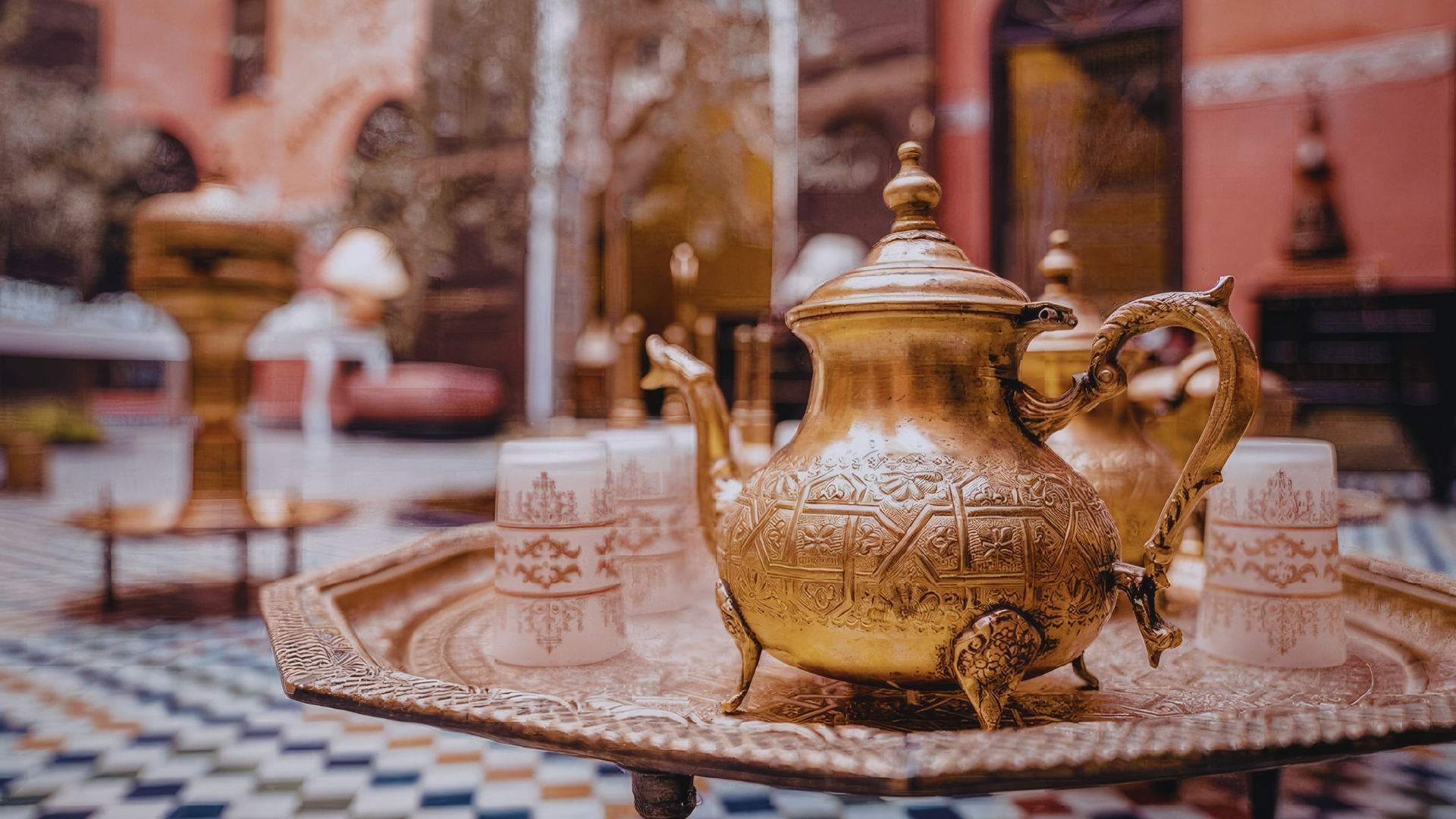
Making authentic Moroccan mint tea is a hands-on process that rewards care and patience. Here’s how it’s traditionally done for about four to six small glasses (using a Moroccan teapot, or barrad, which is often stainless steel or silver-plated with a pointed spout).
Start by bringing fresh water to a boil. Rinse the teapot with a little hot water to warm it. Add roughly one tablespoon of gunpowder green tea leaves to the pot. Pour in a small amount of boiling water—just enough to cover the leaves—swirl gently, and let it sit for about 30 to 60 seconds. This initial rinse removes any bitterness or dust and “wakes up” the leaves. Discard this first water (or save it for plants).
Next, add a large handful of fresh, washed spearmint leaves (stems included for extra flavor) and several chunks or tablespoons of sugar to taste—traditionally quite sweet. Fill the pot with boiling water, leaving a little space at the top. Place the teapot over low heat or return it briefly to the stove to bring the mixture just to a gentle boil for a minute or two. This helps fully dissolve the sugar and integrate the flavors without over-extracting bitterness from the green tea.
Remove from heat and let it steep for 3 to 5 minutes. Before serving, many hosts pour a small glass, then return that glass to the pot and stir or swirl to ensure even distribution of sugar and mint essence. This step is key to consistency across servings.
The Signature Pouring Technique: Creating the Foam
The most theatrical and meaningful part of the ritual is the pour. Hold the teapot high—ideally 12 to 24 inches or more above the small, often ornate tea glasses (keesan). Pour in a steady, continuous stream from a height. The distance aerates the tea, oxygenating it and creating a light, frothy “turban” or crown of foam on the surface of each glass. This foam is highly prized; it traps aromas, enhances mouthfeel, and signals a well-prepared cup.
Skilled pourers move the pot gracefully, sometimes starting close to the glass and raising it higher in an arc, then lowering it again in one fluid motion. The foam not only looks beautiful but improves flavor by incorporating air and preventing rapid oxidation. Practice over a sink if you’re new to it—perfect foam comes with experience and confidence.
Serve the tea in small glasses, filling them about two-thirds full. Tradition calls for at least three rounds, often described poetically: the first glass is “bitter as life,” the second “sweet as love,” and the third “gentle as death.” Each successive pour is milder as the leaves continue to infuse, allowing guests to appreciate the evolving flavors. Refusing tea can be seen as impolite, so even a small sip honors the host.
Cultural Significance: Hospitality in Every Glass
In Morocco, offering mint tea is a profound gesture of welcome, respect, and friendship. It is the first thing offered to guests upon arrival—whether in a private home, a shop, or during business discussions—and the last before departure. The ritual transcends social class and occurs daily: at breakfast, during afternoon gatherings, after meals, or while negotiating in the souk.
The head of the household, often the eldest male, traditionally prepares and serves the tea, though women frequently take the role in modern homes. Serving from a height demonstrates skill, care, and honor toward guests. Multiple rounds signal ongoing generosity and the desire for prolonged, meaningful connection. Declining the offer might imply distrust or disrespect, while accepting and drinking slowly shows appreciation.
Beyond individual homes, mint tea accompanies celebrations, weddings, births, and even mourning. In rural Berber communities, it strengthens communal bonds during long evenings. The drink’s high sugar content once provided practical sustenance, but today its role is primarily social and symbolic—representing openness, sweetness of character, and shared humanity.
The ritual also embodies Moroccan values of patience, grace, and mindfulness. Preparing and pouring tea cannot be rushed; it invites conversation, storytelling, and presence.
Modern Twists: Lighter and Contemporary Variations
While traditional atay remains beloved, contemporary adaptations make the ritual more accessible and varied for today’s lifestyles and tastes.
Many younger Moroccans and health-conscious drinkers reduce the sugar significantly or offer two pots—one traditional and one lightly sweetened or unsweetened. Some replace part of the sugar with honey or natural sweeteners.
Herbal variations add interest: verbena (louisa), sage, lemon verbena, or orange blossom water bring new aromatic layers while staying true to the spirit of fresh herbs. In summer, iced Moroccan mint tea is increasingly popular—brew a stronger concentrate, sweeten to taste, chill thoroughly, and serve over ice with lemon slices or sparkling water for a refreshing twist.
Creative fusions appear in cafés and homes worldwide: Moroccan mint tea mojitos (using the brew as a base with lime and mint), granitas, or even tea-infused desserts like poached pears or syrups for pancakes. Some modern recipes incorporate a touch of ginger, cinnamon, or cardamom for warmth in cooler months.
For everyday convenience, high-quality bagged or pre-blended Moroccan mint teas approximate the flavor, though nothing quite matches the fresh ritual. Eco-conscious drinkers appreciate using loose gunpowder tea and compostable mint stems.
Lighter versions might use less gunpowder or blend it with milder greens, or steep for shorter times to reduce caffeine. These adaptations honor the tradition while making it suitable for diverse palates and health preferences.
Bringing the Ritual Home
You don’t need to be in Marrakech to experience the joy of Moroccan mint tea. Gather simple tools—a sturdy teapot with a good spout, small heat-resistant glasses, fresh mint, quality gunpowder green tea, and sugar—and practice the high pour until it feels natural. Invite friends or family to share the experience; the ritual shines brightest when enjoyed together.
Start with the classic recipe and experiment gradually. Pay attention to the evolving flavors across the three glasses, the aroma released with each pour, and the sense of connection that builds. Whether you embrace the full traditional sweetness or prefer a lighter modern variation, the spirit remains the same: slowing down to share warmth and hospitality.
Moroccan mint tea reminds us that the simplest ingredients, prepared with intention and grace, can create moments of beauty and belonging. In a busy world, this ritual offers a gentle pause—a fragrant, foamy invitation to connection, one perfectly poured glass at a time.
