
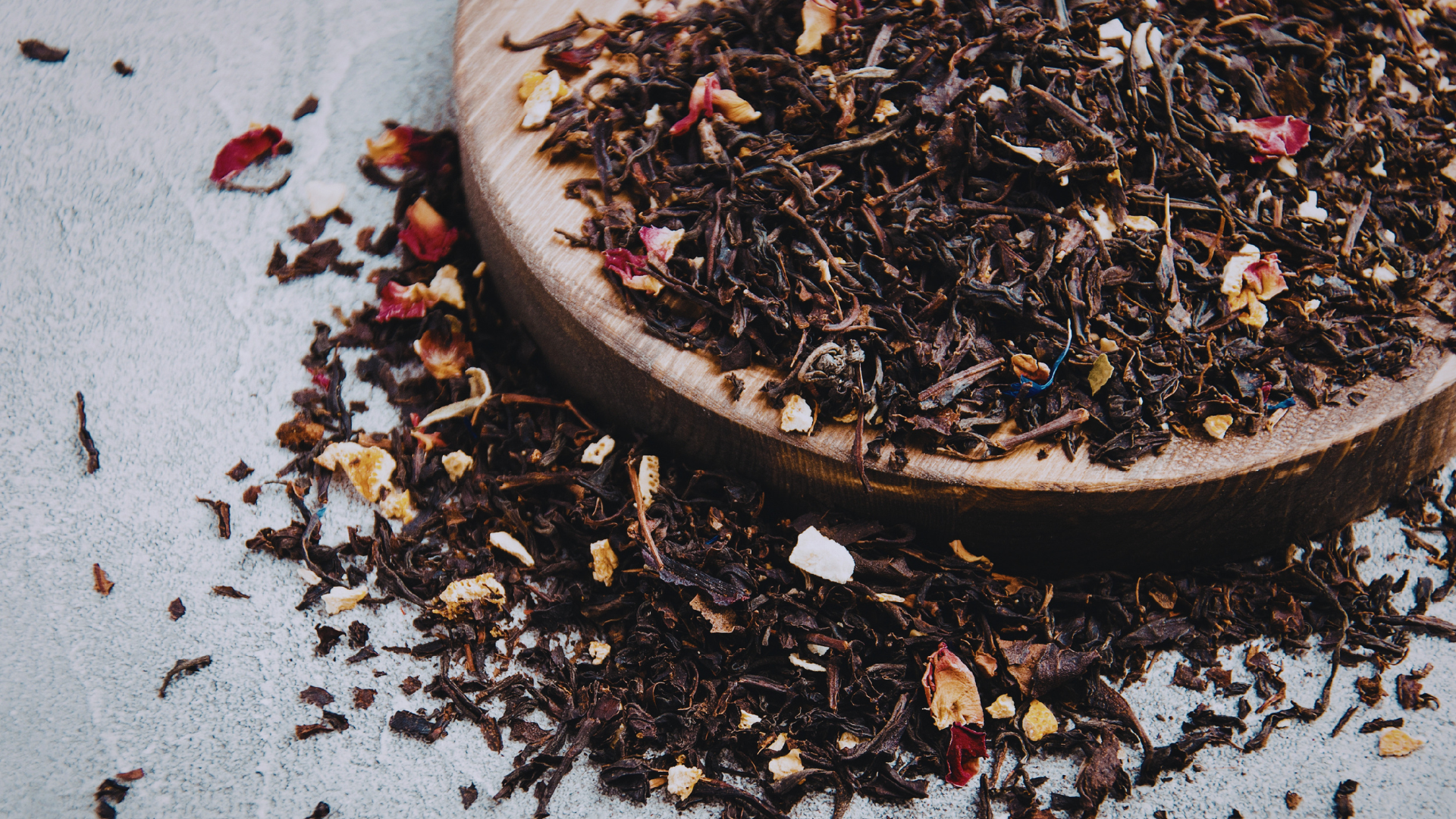
There’s something wonderfully evocative about lifting a cup of Russian Caravan tea to your lips and catching that first whisper of gentle woodsmoke, followed by rich, malty depth and a smooth, comforting finish. This historic blend feels like a story in every sip—one that travels across vast steppes, ancient trade routes, and the cozy warmth of Russian samovars. With its signature smoky character balanced by elegant Chinese black teas and sometimes a touch of oolong, Russian Caravan invites you to slow down and imagine long camel caravans winding through harsh landscapes centuries ago.
If you’ve ever wondered how a simple tea blend earned such a romantic name and enduring appeal, you’re in for a treat. Far from being just another smoky black tea, Russian Caravan carries layers of history, cultural significance, and masterful blending artistry. In this friendly guide, we’ll trace its origins in the great Sino-Russian tea trade, explore the legendary (and sometimes mythical) role of camel caravans and campfires, unpack the classic components that give it character, and discover modern ways to brew, enjoy, and even recreate this timeless favorite at home. Settle in with your kettle ready, and let’s embark on a flavorful journey that spans continents and centuries.
The Origins: Tea, Trade, and the Long Road to Russia
The story of Russian Caravan tea begins not in a blending factory, but on the rugged overland routes connecting Imperial China and Tsarist Russia. In the late 1600s, as diplomatic and commercial ties strengthened, a vibrant tea trade emerged. Tea from China—prized for its stimulating and medicinal qualities—became a luxury good in Russia, often bartered for furs and other commodities.
Early shipments traveled by camel caravans along the ancient Silk Road extensions and Siberian routes. These journeys were epic undertakings: mile-long processions of camels carrying compressed tea bricks or loose leaves across thousands of kilometers, through Mongolia and the vast Siberian wilderness. The trek could take 12 to 18 months, with caravans facing extreme temperatures, bandits, and unforgiving terrain. Tea was packed tightly to withstand the journey, but exposure to the elements—and, legend has it, the constant proximity to campfires at night—imparted a distinctive smoky quality.
Historians note that the first significant tea gift arrived in Russia around 1638 when a Mongolian ruler presented Tsar Mikhail Fedorovich with a chest of tea. By the 18th century, the trade had formalized, with caravans departing from Chinese tea regions and arriving in Moscow or St. Petersburg. The southern sea route via Odessa sometimes competed, but the overland path preserved tea better in the dry cold and became preferred for premium shipments. Russians developed a deep affection for these robust, smoky teas that provided warmth and comfort during long winters.
The name “Russian Caravan” honors these hardy traders and their four-legged companions. While the exact blend evolved over time, the association with the caravan routes stuck, turning a practical trade necessity into a romantic symbol of endurance and cross-cultural exchange. By the 19th century, Russian Caravan had become a staple in European tea culture as well, often evoking the exotic allure of the East filtered through Russian tastes.
One charming legend suggests the smoky flavor originated accidentally from the tea’s proximity to pine-wood campfires during rest stops. While modern research tempers this tale—true Lapsang Souchong smoking techniques developed separately in China’s Wuyi Mountains—the story captures the spirit of adventure that still clings to the blend today.
The Smoke Factor: Lapsang Souchong and Its Role
No discussion of Russian Caravan is complete without addressing its hallmark smokiness. At the heart of many traditional and modern versions lies Lapsang Souchong, a black tea from Fujian province in China. Lapsang (sometimes called “tarry souchong”) is produced by withering, rolling, and oxidizing the leaves, then drying them over smoldering pine wood fires. This unique process infuses the tea with a bold, campfire-like aroma—think pine resin, smoked meat, or fragrant wood—balanced by underlying maltiness and sweetness.
Early Russian importers may have encountered teas that picked up incidental smoke during transport or storage near fires. However, the deliberate creation of Lapsang Souchong is often traced to the Qing Dynasty, possibly as early as the 17th century when farmers needed to dry leaves quickly during military disruptions. The smoking not only preserved the tea but created a flavor profile that Russians found appealing—strong enough to stand up to harsh conditions and pair beautifully with hearty meals or vodka.
In Russian Caravan blends, Lapsang is used judiciously. Too much, and the smoke can overwhelm; too little, and the blend loses its signature edge. Quality versions feature a gentle, lingering smokiness rather than an aggressive char, allowing other notes to shine through. Some purists argue that authentic historical Caravan acquired its smoke naturally from the journey, while contemporary blends intentionally add Lapsang to recreate or enhance that character.
The Blending Legacy: Building Complexity with Chinese Classics
Russian Caravan is a masterful example of the art of tea blending. Rather than a single-origin tea, it combines leaves from different regions and processing styles to achieve balance, depth, and consistency—qualities prized when supplies varied with each caravan arrival.
Classic components often include:
- Keemun black tea from Anhui province: Known for its rich, malty sweetness, wine-like notes, and smooth body. Keemun provides the foundational “tea” character—elegant and full-bodied without harshness. It tempers the smoke and adds a comforting roundness.
- Oolong teas, frequently from Wuyi Mountains or Formosa (Taiwan): These partially oxidized leaves contribute floral or fruity undertones, complexity, and a lighter mouthfeel. Taiwanese oolongs, in particular, bring a smooth, sometimes roasted fruitiness that softens the blend.
- Lapsang Souchong: Delivers the smoky highlight, adding intrigue and a sense of warmth.
Variations abound. Some blends incorporate Yunnan black tea for woody depth or Assam for brisk strength and malt. Others include elements reminiscent of pu-erh or additional Chinese blacks for earthiness. The goal remains harmony: a full-bodied cup that is aromatic, smoky yet sweet, malty, and satisfying—strong enough for milk or lemon if desired, yet nuanced enough to enjoy straight.
This blending legacy reflects practical needs. Long journeys meant teas had to travel well and appeal to Russian palates accustomed to robust flavors. Blenders in Russia and later in Europe refined recipes to ensure consistency, turning variable caravan arrivals into a reliable, signature drink. Today, Russian Caravan exemplifies how blending transforms individual teas into something greater than the sum of their parts.
Cultural Significance: Tea in Russian Life
In Russia, tea has long been more than a beverage—it is a social ritual, a source of warmth, and a symbol of hospitality. The samovar, that iconic brass or silver urn, became central to tea culture, keeping water hot for continuous brewing and diluting strong concentrates.
Russian Caravan fit perfectly into this tradition. Its bold yet comforting profile suited the climate and lifestyle, often enjoyed strong with sugar, lemon, or a splash of milk. Families gathered around the samovar for conversation, storytelling, and respite from winter cold. The tea’s smoky notes evoked campfires and journeys, resonating with Russia’s vast landscapes and exploratory spirit.
Even as sea routes and faster shipping changed global tea trade in the 19th and 20th centuries, Russian Caravan retained its romantic appeal. It became popular across Europe, influencing British and Continental blends. In modern Russia and among tea enthusiasts worldwide, it remains a nostalgic favorite—evoking history while offering everyday pleasure.
Brewing Russian Caravan: Technique for Best Results
To honor the blend’s heritage, brew with care. Use fresh, filtered water brought to a full boil (around 195–212°F / 90–100°C). Measure 1 teaspoon (about 2–3 grams) of loose leaf per 8 ounces of water. Steep for 3–5 minutes—shorter for a brighter cup, longer for deeper smokiness and body.
Enjoy it straight to appreciate the layered aromatics: first the pine smoke, then malty sweetness and subtle floral or fruity notes from the oolong and Keemun. Many Russians and enthusiasts add a slice of lemon for brightness or a touch of sugar or honey to enhance the malt. It also stands up beautifully to milk, creating a creamy, comforting brew reminiscent of classic breakfast teas.
For a more traditional Russian experience, prepare a concentrate (zavarka) by steeping a larger amount of leaves for 5–10 minutes, then dilute with hot water from a samovar or kettle in individual glasses. This method allows control over strength and encourages lingering over multiple cups.
Gongfu-style multiple short infusions work well with high-quality blends, revealing how the smoke evolves and softens across steepings.
Modern Ways to Enjoy and Recreate Russian Caravan
Today’s tea lovers have wonderful options. Many specialty brands offer pre-blended Russian Caravan using organic or single-estate components for superior clarity and balance. Some lean lighter and more oolong-forward, while others emphasize bold Lapsang smoke.
If you enjoy blending at home, experiment with classic ratios. A popular starting point is roughly 50–60% Keemun for body, 20–30% oolong for complexity, and 10–20% Lapsang Souchong for smoke. Adjust to taste: more Lapsang for campfire intensity, more Keemun for smoothness. Try adding a touch of Yunnan or Assam for variation. Small test batches—perhaps 3:2:1 Keemun/oolong/Lapsang—help you dial in your perfect version.
Contemporary twists keep the spirit alive while adapting to modern preferences. Add a cinnamon stick, orange peel, or warming spices for a chai-like variation. Create an iced version by cold-brewing overnight for a refreshing smoky drink. Some mix Russian Caravan into cocktails or use it as a base for spiced lattes. For cooking, the smoky notes enhance marinades, smoked meats, or even chocolate desserts.
Health-conscious drinkers appreciate its robust antioxidants from the black tea base, though the smoke character is the real draw. Pair it with hearty foods—roasted meats, cheeses, dark chocolate, or buttery pastries—where the malt and smoke complement richness beautifully.
Why Russian Caravan Endures
In our fast-paced world, Russian Caravan offers a bridge to slower times—to journeys measured in months rather than hours, and to flavors crafted with intention. Its smoky elegance reminds us that tea can carry history, culture, and adventure in every cup. Whether you reach for a commercial blend or craft your own, this historic tea invites connection: with the past, with fellow sippers, and with the simple pleasure of a well-made brew.
So fill your pot, inhale that distinctive aroma, and raise a glass to the camel caravans, the clever blenders, and the enduring legacy of Russian Caravan. One smoky, malty, wonderfully comforting sip at a time, it continues to warm hearts across continents—just as it has for centuries.
